

STP in Marketing Your Strategy for Online Sales Success
Overview
Introduction: Why STP matters for online sales careers
Finding a great online sales job in 2026 often means understanding how to connect with the right people.
It’s not enough to just talk about a product. You need to know who truly wants and needs what you’re selling. That’s where STP in marketing comes in.
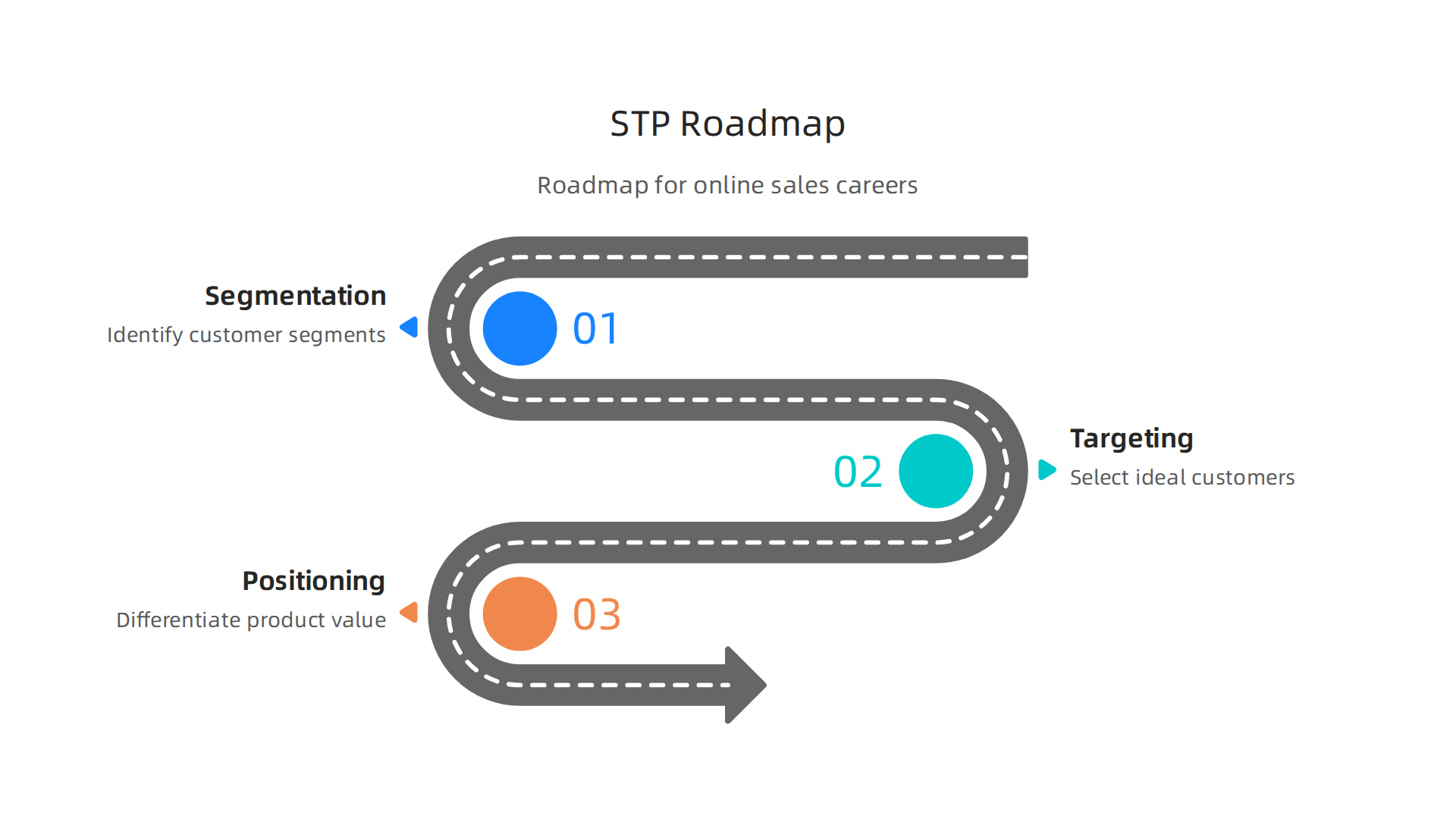
STP is a key idea in marketing that stands for Segmentation, Targeting, and Positioning. Think of it as a roadmap for finding your ideal customer and showing them why your product is the best fit for them specifically [1].
It helps businesses, and sales professionals, move away from trying to sell to everyone and instead focus on the people who are most likely to buy [2]. This makes selling much more effective, especially in the busy world of online sales. In simple terms, it’s a strategic way to sharpen your marketing focus [3].
Many people looking for remote sales jobs or trying to boost their online sales skills don’t fully understand what is STP in marketing or how to use it. They might struggle to find their perfect customers online, leading to wasted effort and fewer sales. They also might not know how to make their sales pitch special for different groups of people. If you want to master online selling, you need to know these important steps [4].
This article will make the STP marketing definition super clear. We will walk you through each part of STP step by step and show you exactly how to use this powerful method for online selling. We’ll share smart ways to put STP into practice, using ideas that work in today’s digital world. You’ll also learn about the specific skills employers are looking for when hiring for online sales roles. Understanding STP can truly help you start a strong online sales career [5].
What STP Stands For — Straightforward Definitions and Variations
Let’s make it super clear: what is STP in marketing? STP is a simple way to remember three big steps in marketing: Segmentation, Targeting, and Positioning. This powerful method helps businesses find their best customers and talk to them just right [1]. Think of it as your map to online sales success in 2026.
Here’s what each letter means:
- S stands for Segmentation: This is when you divide a large group of people (your possible customers) into smaller groups. You put people together who are alike in some important way. Maybe they are all the same age, like the same things, or have similar problems they need to solve. For example, a company might split its customers into young adults, parents, and older folks. This helps you understand different customer groups better [2].
- T stands for Targeting: After you’ve sorted everyone into smaller groups, you pick one or more groups that you think will be most interested in what you sell. These are the groups you will "target" with your sales efforts. For instance, if you sell baby clothes, you’d target the "parents" group, not the "young adults" who don’t have kids yet. This step influences your marketing strategies for online businesses [3].
- P stands for Positioning: This is how you make your product or service stand out in the minds of your chosen target customers. You want them to think of your product as the best choice for them. Maybe your product is the easiest to use, the cheapest, or the highest quality. You want to create a special spot for it in their heads. For example, a fancy car might position itself as a symbol of luxury, while a smaller car might position itself as affordable and great on gas.
Different Words, Same Idea
Sometimes, you might hear slightly different words used for these steps, but the main idea stays the same. Some companies might talk about "customer segments" instead of just "segmentation." Or they might say "defining your audience" instead of "targeting." The core marketing definition remains about understanding who you’re selling to and how to present your product to them effectively [4]. It’s all about making your sales message sharp and clear for the right people.
STP Compared to Other Marketing Ideas
You might also hear about other important marketing ideas, like the "4 Ps" or "buyer personas." It’s good to know how they are different from STP.
- STP versus the 4 Ps: The 4 Ps are Product, Price, Place, and Promotion. These are the things a company does to sell its goods. STP, on the other hand, helps you figure out who your customers are and how you want them to see your product before you even think about the 4 Ps. They work together. STP helps you choose your target, and then the 4 Ps help you reach that target [5].
- STP versus Buyer Personas: A buyer persona is like a detailed fake profile of one ideal customer. It includes their name, age, job, hobbies, and even their problems. STP is bigger. It first divides all customers into groups (segmentation), then picks which groups to focus on (targeting). A buyer persona might then be created for one of those chosen target groups to help you understand them even better. Learning how to understand your audience through these methods is a key skill for anyone looking to find and thrive in online sales assistant roles.
Segmentation: Practical ways to segment online audiences
We just learned that "S" in STP stands for Segmentation. This is when you sort all your possible customers into smaller groups based on what makes them similar. This helps you understand who you’re talking to. It’s a key part of what is STP in marketing, making your messages stronger and clearer [1]. For anyone working in online sales in 2026, knowing how to do this well is a big deal.
Here are the main ways you can divide people into groups when you’re selling things online:
- Demographic Segmentation: This is like grouping people by their basic facts. Think age, gender, where they live, how much money they make, or what their job is. For example, a company selling video games might look at younger people, while a company selling fancy watches might look at older people with higher incomes.
- Behavioral Segmentation: This looks at how people act. What do they buy? What pages do they visit on your website? How often do they shop? For instance, you could group people who often buy sales items together, or those who always click on ads for new products. This type of grouping is very useful for digital businesses [2].
- Psychographic Segmentation: This goes a bit deeper into why people do what they do. It looks at their hobbies, interests, beliefs, and how they live their lives. Someone who loves hiking might be grouped differently from someone who loves reading books, even if they are the same age.
- Firmographic Segmentation (for B2B sales): This one is special for when you sell to other businesses, not just regular people. It means grouping companies by things like how big they are, what industry they are in, or where they are located. For example, a software company might segment by small businesses versus large businesses.
Where to Find Information for Segmentation Online
To put people into these helpful groups, you need information. For online sales, we have lots of ways to gather this data:
- CRM (Customer Relationship Management) Tools: These are special computer programs where businesses keep all their customer information.
They record everything from what someone bought to how often they’ve contacted the company. Using a good CRM is vital for understanding your customers [3]. If you want to get good at online sales, knowing about tools like these is super helpful. You can learn more about how to use them to land high-paying online sales jobs with real estate CRM expertise.
- Website Analytics: Tools like Google Analytics tell you what people do on your website. They show which pages are popular, how long people stay, and where they click. This helps with behavioral segmentation.
- Social Media Data: Many social media platforms give businesses information about the people who follow them or interact with their posts. This can help you understand interests and demographics.
- Surveys and Feedback: Sometimes, simply asking your customers what they think or what they like can give you great insights for segmentation.
When you’re looking for an online sales assistant role, showing you understand these different ways to segment customers and how to use data is a big plus. It tells employers you grasp a core marketing definition and know how to find and talk to the right people online. Remember, the goal of segmentation is to make your sales messages hit home, not just throw them out into the void [4].
After you’ve sorted people into groups with segmentation, the next step in what is STP in marketing is "Targeting." This is when you pick which of those groups you want to focus your sales efforts on. You can’t reach everyone, so you choose the most promising segments to talk to. This helps make your marketing definition clearer and your messages much more effective [1].
How to Choose Your Target Groups
When deciding which segments to target, think about a few important things:
- Size: Is the group big enough to be worth your time and money? A tiny group might not bring in enough sales.
- Accessibility: Can you easily reach these people with your online messages? For example, do they use social media where you can advertise, or do they visit websites where you can place ads?
- Profitability: Will this group likely buy your product or service and pay enough so you make a good profit?
- Fit: Does your product truly solve a problem or meet a need for this group? Is it a good match?
For example, if you sell online courses for becoming a sales director, you’d target people currently in sales roles who want to grow their careers, rather than college students just starting out. You’d ask, "Is this group reachable, ready to buy, and will our course help them?" This strategic choice is a big part of how you build a winning marketing plan in 2026 [2].
Simple Ways to Pick Your Best Segments
Imagine you have a few different customer groups you could target. You can give each group a quick "score" to see which one is best.
- List your segments: For example, "Young professionals interested in remote sales," "Experienced sales managers looking for new tools," "Small business owners needing sales help."
- Rate them: For each group, give a simple score (like 1 to 5, where 5 is best) for:
- How big they are
- How easy they are to reach online
- How much money they might spend
- How well your product fits their needs
- Add up the scores: The group with the highest total score is often your best bet for targeting. This helps you prioritize and focus your energy.
A strong marketing strategy needs this kind of clear thinking to drive results [3].
Targeting Tactics for Online Sales
When you’re working in online sales, reaching your chosen target groups often involves digital tools:
- Paid Ads: You can run ads on Google, Facebook, LinkedIn, or other platforms that specifically show your messages only to people in your target group. These platforms let you pick people based on interests, age, job, and even what websites they visit. This is how you manage your CPM in marketing, ensuring your ads are seen by the right eyes.
- Account-Based Marketing (ABM): If you sell to other businesses (B2B), ABM is powerful. Instead of targeting many people, you pick specific companies you want as customers and create very personal messages just for them [4]. This is a focused way to sell online.
- Social Selling: This means using social media to find and connect with potential customers in your target segment. You might join groups, share helpful content, and start conversations to build relationships.
Understanding how to target effectively is a key skill. It shows you know how to build a strong marketing strategy that can help you secure great online sales jobs.
If you’re looking to improve your sales career and want to learn more about how digital tools and strategies like targeting can open doors, you might want to explore resources that offer a definitive roadmap to becoming a sales director in 2026.
Now, we come to the last part of what is STP in marketing: "Positioning." After you’ve picked your target groups, positioning is all about how you make your product or service stand out in their minds. It’s about crafting a special message that tells people exactly why they should choose you over others. This is a very important part of your overall marketing definition [3].
What a Positioning Statement Is
Think of a positioning statement as your product’s special superpower statement. It clearly explains:
- Who you help (your target customer).
- What problem you solve or need you meet.
- How you do it better or differently than anyone else.
- Why people should believe you (your proof).
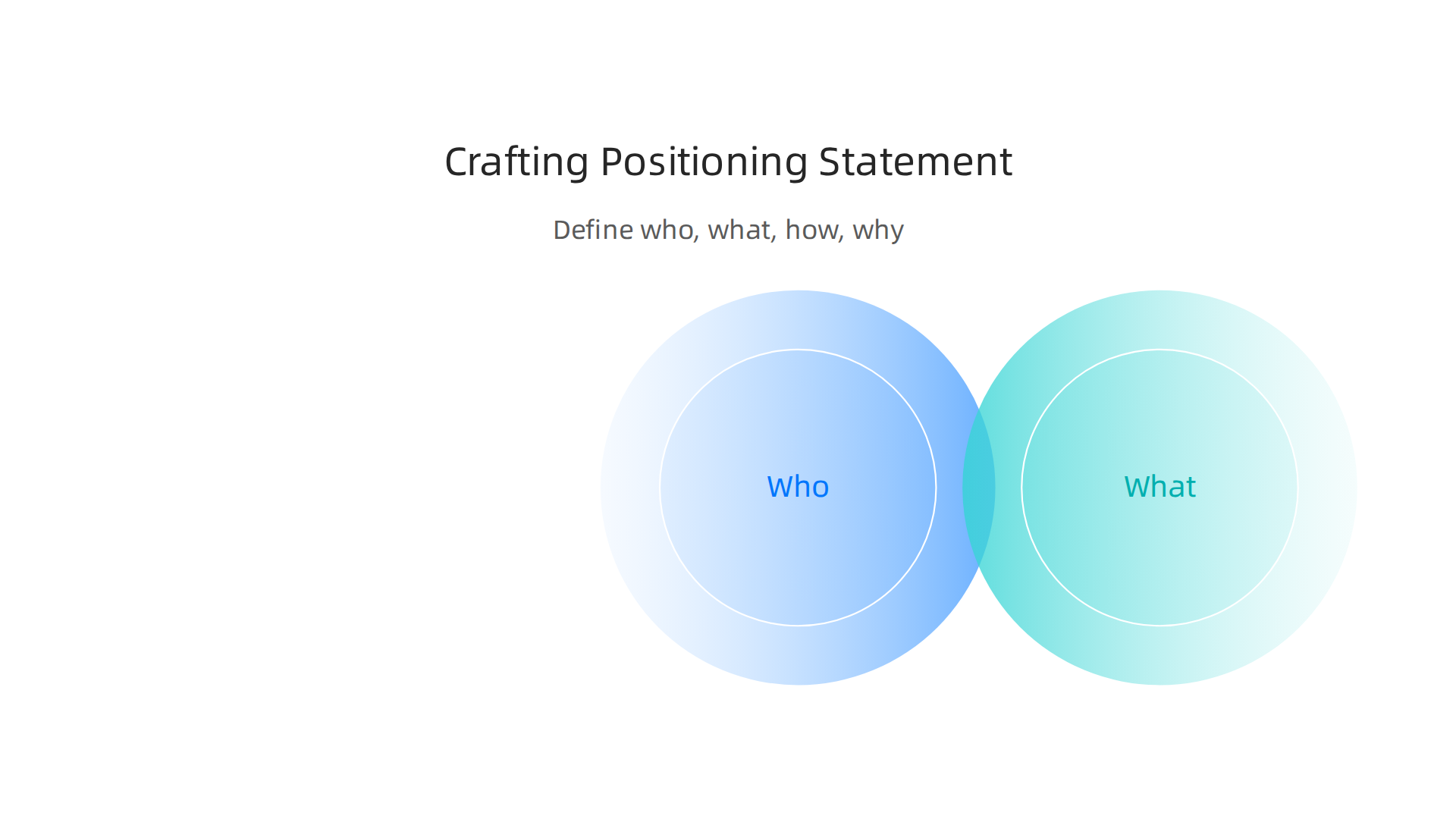
A good positioning statement helps everyone on your team understand your unique value, which is key for a strong marketing strategy in 2026 [4]. Sometimes, a product might even aim to be known for two good things at once, like being super fast and super safe. This approach is sometimes called straddle positioning in marketing because it tries to meet two different important needs.
Here’s an example: "For busy small business owners who struggle with keeping track of customer calls, EasyConnect CRM is a simple online tool that automatically logs every interaction, making sure you never miss a follow-up, unlike confusing, expensive systems."
Turning Positioning into Online Messages
Once you have your positioning statement, you can use it everywhere online:
- Headlines on your website: Grab attention with a clear benefit.
- Value promises on landing pages: Tell visitors instantly why your product is great for them.
- Social media posts: Share quick, powerful messages about what makes you special.
- Email campaigns: Talk directly to your target audience about their specific problems and how you solve them.
- Sales pitch scripts: Give your sales team the exact words to use when talking to potential customers.
Everything you say and show online should clearly reflect your positioning, so your chosen audience always knows why you’re the best choice [5]. This helps you connect with your target market much better.
A Simple Exercise: Create Your Positioning Statement
Want to practice creating your own positioning statement for a product or service? Try filling in the blanks below. You can do this for a product you know or even for yourself if you’re looking for an online sales job.
- For [your specific target customer],
- who [has this problem or need],
- [your product/service name] is a [product/service category]
- that [offers this key benefit or solution].
- Unlike [your main competitor or current alternative],
- we [provide this unique difference or proof].
Doing this exercise can help you clarify your message and make your online marketing much more powerful. Learning to position a product well is a key skill for anyone wanting to find success in the online sales world [6]. If you’re keen to learn more about how to make your online presence shine and find great roles, exploring resources on how to master AI digital marketing for online sales jobs in 2026 can be a smart next step.
Now that we’ve covered what is STP in marketing and how "Positioning" works, let’s look at how businesses use it in real life. These mini-examples will show you how segmentation, targeting, and positioning all work together for online sales in 2026. Experts say that using STP makes marketing campaigns much stronger and more focused [1].
Real-world examples: STP applied to online sales (templates and mini-case sketches)
Here are some simple examples of how different businesses use the STP method. These are like mini-case studies you’d see in the digital marketing world [2].

Example 1: B2C Online Subscription Box
- Scenario: An online store selling monthly boxes of specialty snacks.
- Segmentation: They first divided people into groups based on what kinds of snacks they liked (healthy, sweet, savory) and how often they bought them.
- Targeting: They decided to focus on "busy parents who want quick, healthy snack options for their kids." This group often buys things online for convenience.
- Positioning Statement: "For busy parents who need healthy, quick snacks for their kids without grocery store trips, SnackSmart Box is a monthly subscription that delivers pre-approved, nutritious treats right to your door, unlike endlessly searching shelves for kid-friendly options."
Example 2: B2B SaaS Online Tool
- Scenario: A company selling a software tool to help teams manage projects.
- Segmentation: They looked at different types of businesses and found some struggled more with project delays and team communication than others.
- Targeting: They chose to focus on "small marketing agencies (5-20 people) that handle many client projects." These agencies need tools that are easy to use and help everyone stay organized.
- Positioning Statement: "For small marketing agencies juggling multiple client projects that need better team coordination, ProjectFlow Pro is an easy online tool that puts all tasks, deadlines, and messages in one clear place, making sure nothing gets missed, unlike using confusing emails and separate spreadsheets."
Example 3: E-commerce for a Niche Product
- Scenario: An online store selling special gear for hiking with dogs.
- Segmentation: They saw different groups of dog owners: those with small dogs, large dogs, very active dogs, or those who rarely hike.
- Targeting: They aimed for "adventure-loving dog owners with large, active breeds who go on frequent, challenging hikes." This group needs very durable and safe gear.
- Positioning Statement: "For adventure-loving owners of large, active dogs who take them on tough hikes, TrailHound Gear is an online store for super strong harnesses, leashes, and backpacks that keep your dog safe and comfortable on any trail, unlike general pet shops with gear not built for real adventures."
How to talk about your STP experience (for job seekers)
If you’re looking for an online sales job, knowing how to explain your STP experience can really impress employers. It shows you understand a core part of the marketing definition [3]. You can use a simple template like this:
"I used the STP method to help [Company Name] achieve [specific result, e.g., a 15% increase in leads for a new product]. First, I helped segment our audience by [how you divided them, e.g., their business size and current software use]. Then, we targeted [a specific group, e.g., mid-sized businesses looking to upgrade their old systems] because [why they were a good target, e.g., they showed high buying intent]. Finally, I worked to position our [product/service] as [unique value, e.g., ‘the most intuitive system for fast-growing teams’], which led to [specific positive outcome, e.g., better conversion rates for our ads]."
Learning to apply STP is super valuable, and it’s a key skill for success in online sales roles. To keep growing your skills, consider exploring how new tools like AI are changing marketing for online sales jobs in 2026. This can give you a real edge [4].
Ready to put what is STP in marketing into action for your online sales? After seeing how segmentation, targeting, and positioning work in real examples, let’s look at a simple plan you can follow. This step-by-step guide will show you how to run an STP-led campaign for online sales in 2026, making your efforts much more effective.
Step-by-step playbook: How to run an STP-led campaign for online sales
Using the STP method means you think carefully about who you are selling to and how you talk about your product. Here’s a simple playbook to help you launch successful online sales campaigns.
Step 1: Get to Know Your Customers (Research & Segmentation)
First, you need to understand who your potential customers are and divide them into groups. This is the "S" in STP.
- What you do:
- Gather data: Look at information about people who visit your website or buy your products. Think about their age, where they live, what they like, and why they buy things. Tools that help you analyze customer data are very important here in 2026 [10].
- Find groups: Look for common things that link customers together. Maybe one group always buys healthy snacks, while another loves sweet treats.
- Tools to help: Customer data analytics platforms and Customer Relationship Management (CRM) software are great for collecting and sorting this information [12, 16].
- Quick check for success: You should have clear groups of customers, and you should understand what each group truly needs or wants.
Step 2: Pick Your Best Customers (Target Selection)
Next, you choose which of your customer groups you want to focus on. This is the "T" in STP. You can’t be everything to everyone, so pick the best fit.
- What you do:
- Evaluate groups: Think about which groups are big enough to be worth focusing on. Which groups are most likely to buy your product? Which ones are easy to reach with online ads?
- Choose your target: Pick one or two groups that offer the best chance for sales.
- Tools to help: CRM analytics can show you which types of customers have brought in the most sales in the past [11].
- Quick check for success: You should have a very clear picture of your main target customer. You know their problems and what makes them happy.
Step 3: Show Why You’re Special (Positioning Design)
Now, you decide how you want your product to be seen by your chosen customers. This is the "P" in STP. You want them to think your product is the best choice for them.
- What you do:
- Craft your message: Create a short, clear statement that explains what makes your product unique and better than others, especially for your target customer. This message should solve their specific problem. Many successful campaigns in 2026 use clear positioning [3].
- Check competitors: See what other companies are saying. How can you stand out?
- Tools to help: Market research and looking at what your competitors do can help you find your unique spot.
- Quick check for success: You have a strong, simple positioning statement that your team understands. It clearly tells customers why they should pick you.
Step 4: Reach Out to Them (Channel Activation)
With your target and message ready, it’s time to launch your campaign.
- What you do:
- Choose where to connect: Think about where your target customers spend their time online. Is it social media, email, search engines, or specific websites?
- Create content: Make ads, social media posts, or emails that use your positioning statement. Make sure the message feels right for the place you are sharing it [7].
- Tools to help: Digital advertising platforms like Google Ads or Facebook Ads, email marketing services, and content management systems.
- Quick check for success: Your ads and messages are going out to your target audience on the right online channels.
Step 5: See How You Did (Measurement)
Finally, you need to check if your STP campaign is working and adjust it if needed.
- What you do:
- Track your results: Look at your online sales, how many people clicked your ads, how many signed up for your emails, and how many bought your product. For online ads, you might look at things like Cost Per Mille (CPM), which shows how much it costs to get 1,000 views [18].
- Learn and improve: If something isn’t working, try to figure out why and make changes.
- Tools to help: Website analytics (like Google Analytics), automated reporting tools, and sales dashboards within your CRM [14, 18].
- Quick check for success: You are seeing more sales, more people are interested in your product, and you are getting a good return on the money you spent on marketing.
By following these steps, you can create focused and powerful online sales campaigns that really connect with the right people. This skill is very valuable for anyone looking to build a great career in online sales in 2026. If you’re eager to learn more about improving your online sales skills, you might want to explore how to master AI digital marketing for online sales jobs in 2026.
Now that you have a step-by-step guide for running an STP-led campaign, you might wonder how to know if your efforts are working. This is where the right tools and metrics come in handy. Understanding what is STP in marketing isn’t just about the steps; it’s also about measuring your success to make sure your online sales grow.
Tools and metrics: Measuring STP success for online selling
To truly see if your STP plan is effective, you need specific tools to help collect data and metrics to show you what that data means. Here’s a look at what you can use in 2026.
Key Tools for Your STP Campaign
Smart companies in 2026 use a mix of powerful software to help with their marketing definition and execution.
- For Segmentation (S):
- Customer Data Platforms (CDPs): These gather all your customer information from different places into one spot. This helps you get a full picture of your customers, which is key for good segmentation [1].
- CRM Software: A Customer Relationship Management (CRM) system helps you store and manage customer details, sales interactions, and more. It’s great for organizing your segmented groups and understanding customer behavior [3]. You can learn more about how CRM expertise helps land sales jobs in our guide to land high-paying online sales jobs with real estate CRM expertise.
- For Targeting (T):
- CRM Analytics: Many CRM systems have tools to analyze your data. This can show you which customer groups are most valuable or likely to buy, helping you pick your best targets [2].
- For Positioning (P) and Channel Activation:
- Digital Advertising Platforms: Tools like Google Ads or social media ad managers (e.g., Meta Ads) let you target specific customer segments with your unique message.
- Email Marketing Services: These help you send personalized messages to your segmented groups.
* **Website Analytics:** Platforms like Google Analytics track who visits your site, what they do, and if they respond to your positioning [5].
- For Measurement (Overall):
- Automated Reporting Tools: These bring data from all your different platforms into one easy-to-read report, so you don’t have to check each tool separately [9].
- Business Analytics Platforms: These can give you deeper insights into overall performance and help you see the bigger picture of your sales efforts [5].
Important Metrics to Track
When you run an STP campaign, you want to measure different things at each step.

- Segmentation & Targeting Metrics:
- Segment Size and Growth: How many customers are in each group? Is that number growing?
- Engagement Rate per Segment: Are your chosen target groups interacting with your content more than others?
- Lead Quality: Are the leads from your targeted efforts turning into good sales opportunities?
- Positioning & Channel Activation Metrics:
- Brand Awareness: Do more people know about your brand and what makes it special? (This can be measured through surveys or website traffic.)
- Click-Through Rate (CTR): How many people click on your ads or links after seeing them?
- Conversion Rate: How many people who see your message actually buy your product or take a desired action?
- Cost Per Mille (CPM): This metric tells you the cost to get 1,000 views of your ad. It’s a key part of understanding what is CPM in marketing and how efficient your ad spending is.
- Return on Ad Spend (ROAS): How much money do you make back for every dollar you spend on ads? This is vital for online sales.
Sample STP Success Dashboard
When asked about metrics in a job interview, you could show a simple dashboard like this:
| STP Stage | Key Metric | Why it Matters |
|---|---|---|
| Segmentation | Number of Active Customer Segments | Shows how well you divide your audience. |
| Targeting | Target Segment Engagement Rate | How much your chosen customers interact with you. |
| Positioning | Website Bounce Rate for Target Pages | Lower means your message is more relevant. |
| Campaign | Conversion Rate | How many people buy after seeing your ad. |
| Campaign | Return on Ad Spend (ROAS) | The profit you make from your advertising. |
| Campaign | Cost Per Acquisition (CPA) | How much it costs to get one new customer. |
Using these tools and keeping an eye on these metrics will help you understand the true impact of what is STP in marketing on your online sales. It allows you to make smart choices and improve your campaigns over time. To deepen your understanding of marketing strategies for a successful career, consider exploring resources on EJMR Marketing 2026: The Simple Method to Start Your Online Sales Career.
Summary
This article explains STP in marketing—Segmentation, Targeting, and Positioning—and shows how to use it to win online sales in 2026. It defines each STP step, compares STP to related concepts like the 4 Ps and buyer personas, and gives practical segmentation methods (demographic, behavioral, psychographic, firmographic) plus where to gather data. You’ll learn how to score and pick target segments, craft a positioning statement, convert that positioning into online messages, and deploy targeting tactics such as paid ads, ABM, and social selling. The guide includes real mini-case examples, a fill-in positioning exercise, a five-step campaign playbook, and the key tools and metrics (CRM, CDP, Google Analytics, CTR, CPM, ROAS) to measure success. After reading, you’ll be able to design an STP-led online sales campaign and explain your STP experience to employers.