

The Definitive Roadmap to Becoming a Sales Director in 2026
Overview
Why this guide matters for online sales career-seekers
Are you looking to find your place in the fast-growing world of online sales?

Maybe you feel a bit lost with all the different advice out there. It’s tough to know which skills you truly need for today’s sales jobs, or how to move up from a regular sales role to something bigger, like a sales director position. You might also wonder about how much money you can really make, especially if a lot of your pay is from commission.
Actually, many people face these exact challenges when they think about online sales management roles. It can be hard to see a clear path for your career. But here’s the good news: demand for top sales leaders, like a sales director, is strong in 2026, especially for roles focused on bringing in money [^robertwalters.com.sg]. A sales director in the United States, for example, can expect an average salary around $125,000 to $128,226 per year in 2026 [^ziprecruiter.com][^payscale.com]. Some even see averages much higher, like $235,744 per year [^glassdoor.com].
This guide is here to help you clear up all that confusion. We will give you a clear, evidence-backed roadmap to reach your goals. You’ll learn how to land those important sales director roles and how to move from being an individual salesperson to a leader in sales management. We’ll also help you understand how to find and pick the best remote online sales jobs for you. If you’re ready to shape your future in this exciting field, this guide is your key. To explore more about building your career, check out our insights on a robust 2026 career blueprint for sales management.
A sales director is a key leader in any company. Think of them as the coach of a sales team. Their main job is to make sure the team hits its sales goals and brings in money for the business.
This role is really about leadership in sales management.
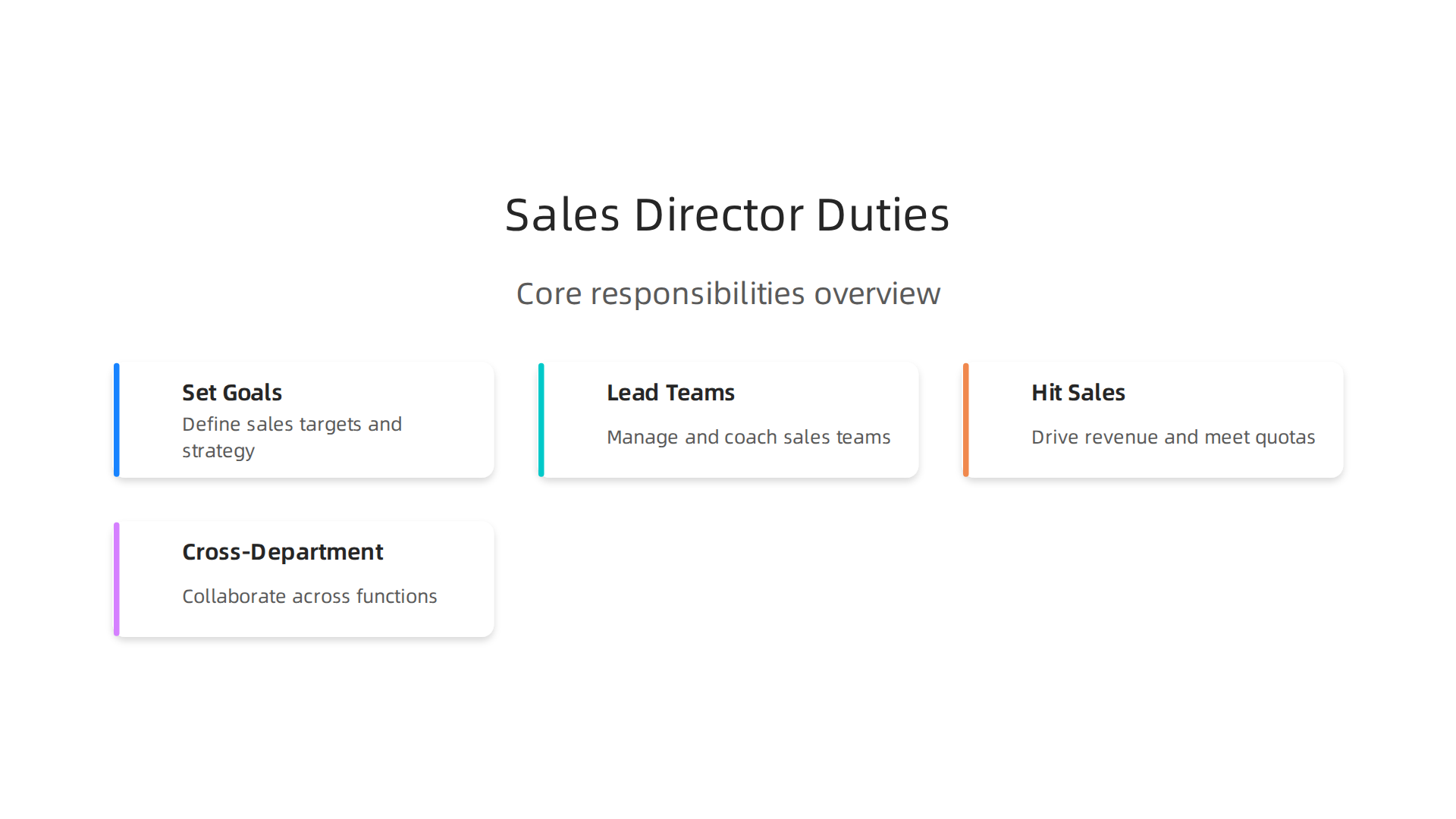
No matter if it’s a company selling software to other businesses (B2B SaaS), products online (e-commerce), or a mix of both, a sales director has many important jobs:
- Setting Goals and Plans: They create the sales plans and targets the team needs to follow to sell more things.
- Leading the Team: A sales director hires, trains, and guides salespeople. They help their team get better at selling and stay motivated.
- Hitting Numbers: They keep a close eye on how much the team is selling and make sure they reach their sales goals. This is vital for the company’s growth in 2026 [^forcemanagement.com].
- Working with Others: They also talk with other parts of the company, like marketing or product teams, to make sure everyone is working together to help sales.
Different Kinds of Sales Directors
The name "sales director" can change, and so can the job, depending on the company.
- Head of Sales: This often means someone who leads the entire sales effort for a company. It’s a very strategic role.
- Regional Sales Manager: This person looks after sales for a certain area or region. They manage a team of salespeople within that specific place. They are still focused on sales management but on a smaller scale.
- Director of Revenue: This title is bigger. It means someone who looks at all the ways a company makes money, not just from sales. They work to make sure all parts of the business help bring in cash.
At a small company, a sales director might be more hands-on, even doing some selling themselves. But at a big company, their job is usually more about setting strategy, leading managers, and making high-level decisions. The way sales roles are changing in 2026 means these leaders need to be even more adaptable [^justsalesjobs.com].
Remote Sales Director Roles
Many companies today have sales teams that work from different places, known as remote-first teams. A remote sales director does the same job as an on-site one, but they do it all from a distance.

Here’s how remote roles are a bit different:
- Communication is Key: They rely a lot on online tools like video calls and chat messages to talk with their team and other departments.
- Trust and Tools: It’s important for them to build trust without seeing people face-to-face. They use many digital tools to keep track of team progress and sales numbers.
- Focus on Results: Whether remote or in an office, the main thing is hitting sales targets. Performance is often measured by clear goals (KPIs), not just by being in the office every day. Actually, many legitimate remote sales jobs are available for those looking for this kind of setup.
No matter the type, a sales director is about leading people to sell more, helping them grow, and making sure the company succeeds.
A great sales director needs more than just a good smile. They need a mix of different skills to lead their team to success, especially in 2026 where selling online is so common.
Let’s look at the important skills they must master.
Strategic Sales Leadership Skills
A sales director is like a chess player, always thinking many steps ahead. They need strong leadership skills to guide their team.
- Setting the Path: They must be able to create smart plans and set clear goals for the sales team. This means knowing what the market needs and where the company can sell best [^apollo.io].
- Leading and Coaching: A big part of their job is to lead, motivate, and teach their sales team. This includes helping individual salespeople, even a regional sales manager, get better at their jobs [^plecto.com]. It’s about coaching operations and strategy.
- Solving Problems: When things get tough, a good sales director can figure out problems and find solutions quickly. This adaptability is key for strong sales management [^indeed.com].
Technical Skills for Sales Management
Today, a sales director also needs to be good with technology and data.
- Using Sales Tools (CRM): They must know how to use customer relationship management (CRM) software and other sales tools very well. These tools help them keep track of customers, sales, and team progress [^salesforce.com].
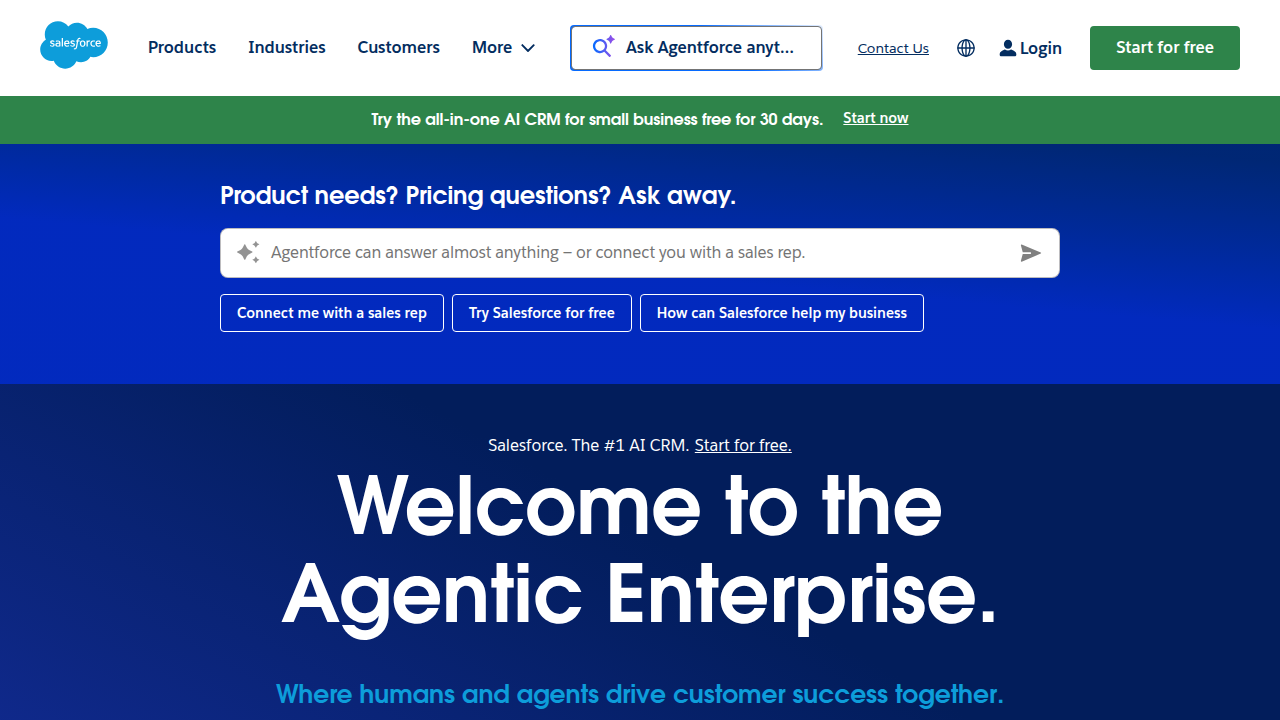
Understanding these systems helps them make smart decisions and manage sales efforts. If you want to dive deeper into how CRM tools can boost your career, especially in specialized areas, you can learn about how to land high-paying online sales jobs with real estate CRM expertise.
- Data Smarts: Looking at numbers and understanding what they mean is very important. A sales director needs to use data to see what’s working and what’s not, and then adjust their plans [^plecto.com]. This helps them make data-driven decisions.
- Understanding the Market: They need to know about the business world and what competitors are doing. This helps them make strong plans to win over customers [^justsalesjobs.com].
Remote Selling and Communication Skills
With many sales jobs being remote in 2026, special communication skills are needed.
- Virtual Closing: Sales directors must guide their teams on how to sell and close deals when they can’t meet customers in person. This involves using video calls and online presentations effectively.
- Clear Communication: Whether it’s talking to their team, other company leaders, or customers, being clear and concise is vital. This is even more important when working remotely [^indeed.com]. They also need to know how to create strong arguments and proposals. Learning to master your business proposal template can significantly improve this skill.
- Building Trust: It’s harder to build trust online, so a sales director needs to show empathy and listen carefully to both their team and their clients [^zendesk.com].
A Path to Growth
For someone new to sales, the focus might be on learning the basic sales skills and tools. As they move up to roles like a regional sales manager, they’ll add more leadership and team coaching skills. Finally, a senior sales director will focus on big-picture strategy, advanced data analysis, and leading other managers. The skills needed for sales jobs change, but strong leadership and the ability to adapt always matter [^futureofprospecting.substack.com].
Finding the right remote Sales Director opportunities without falling for low-quality leads
You’ve learned about the important skills a sales director needs. Now, let’s talk about how to find those great remote sales jobs without running into bad ones. In 2026, many companies hire for remote sales leadership roles, but you need to know where to look and what to look for.
Where to Look for Remote Sales Jobs
Finding a good remote sales director job starts with knowing the best places to search. You don’t want to waste time on postings that aren’t right or are even fake.
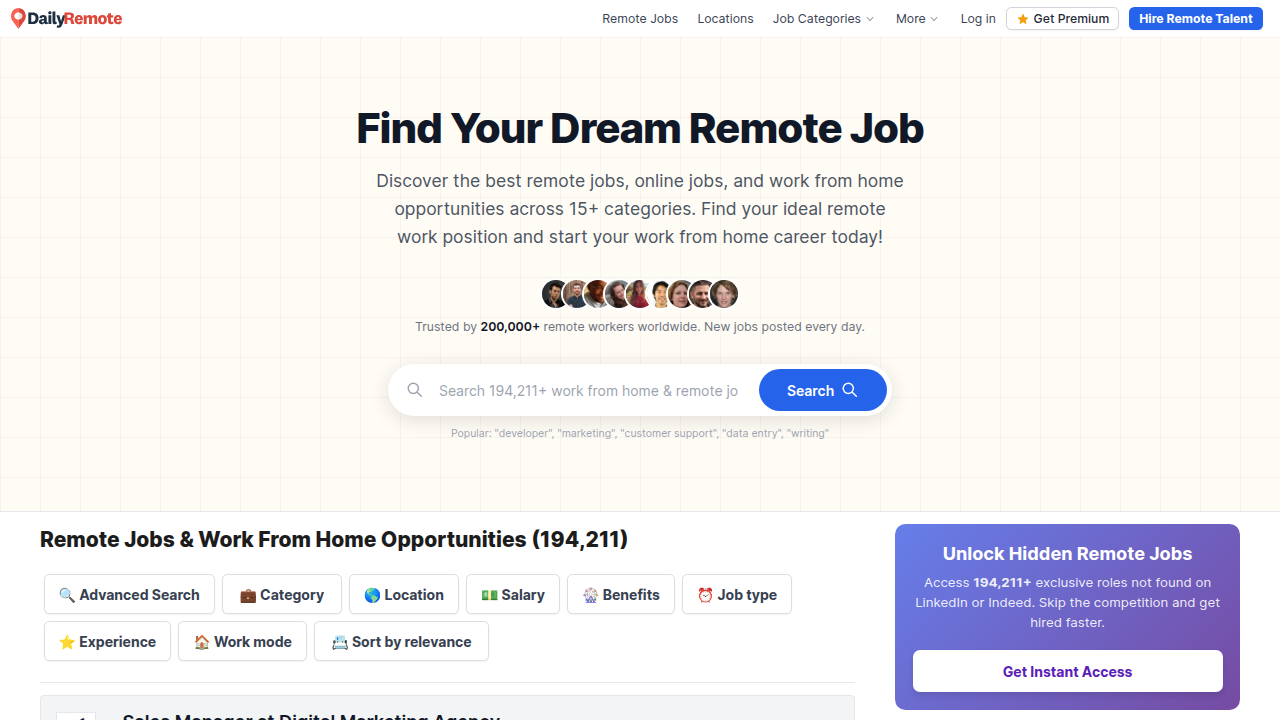
- Special Job Boards: While big job sites like LinkedIn or Indeed have many sales jobs, it’s often better to check job boards made just for remote work. These sites often list sales management and sales director positions that are truly remote-first. Some good ones to explore in 2026 include DailyRemote, Remote100K, and Crossover, which focus on online opportunities [^dailyremote.com], [^remote100k.com], [^crossover.com].
- Company Websites: Sometimes, the best jobs are found directly on a company’s own career page. If you know companies that hire a lot of remote workers or have strong remote sales teams, check their websites first.
- Networking: Talking to people in your field is super helpful. Many great sales jobs are found through people you know. Use sites like LinkedIn to connect with other sales leaders and recruiters. They might know about openings that aren’t even advertised yet.
How to Spot a Good Remote Job Listing
Once you find a job posting for a sales director or regional sales manager, you need to check if it’s real and a good fit.
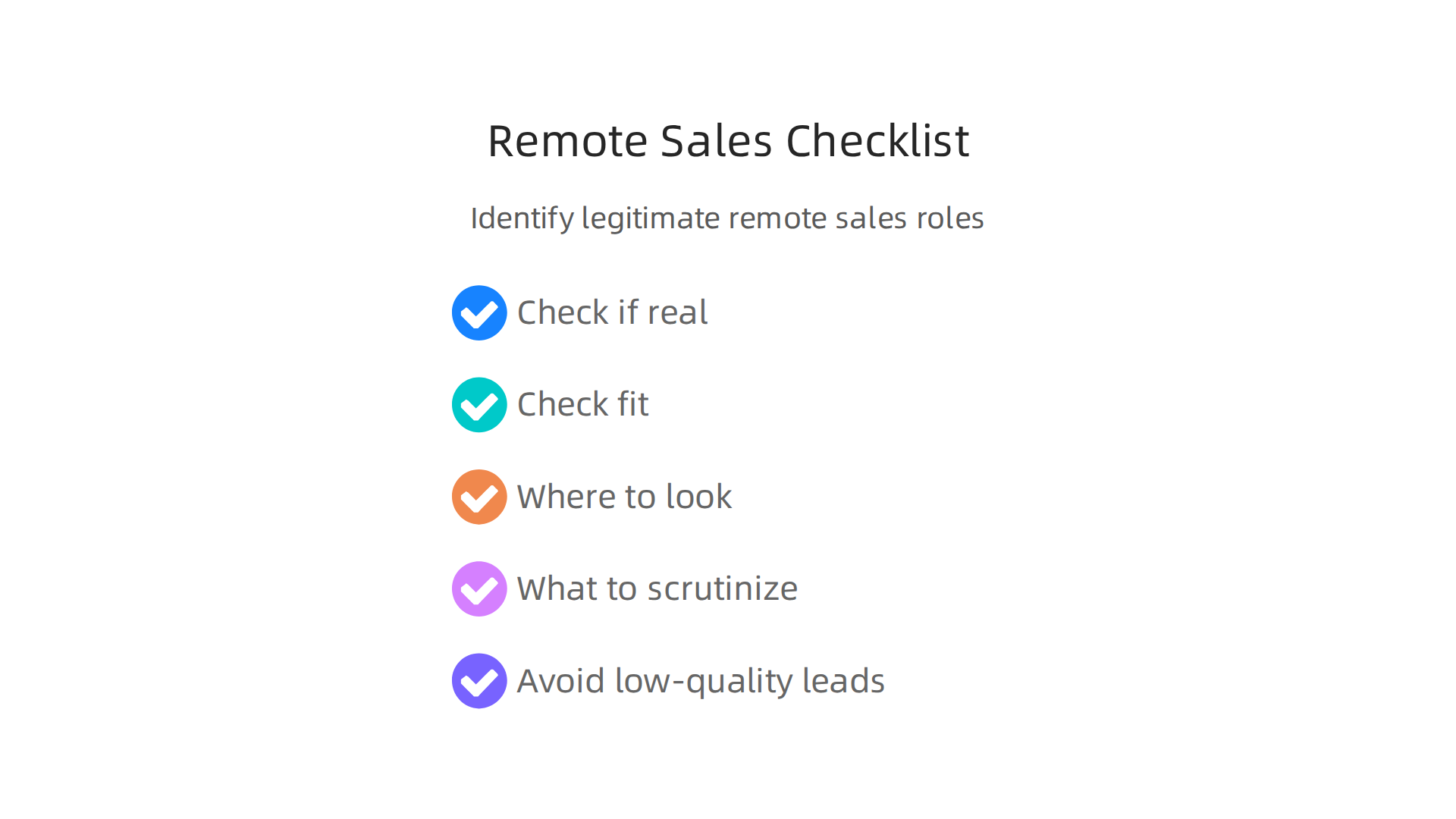
- Look for Clear Details: A good job posting will clearly explain what the job is about, what you’ll do, and what skills they want. Vague descriptions can be a red flag.
- Company Information: Make sure the company is easy to find and looks real. Check their website and social media. Do they have a good reputation?
- Money Talk (Compensation): For sales jobs, how you get paid is important. Look for clear information about "On-Target Earnings" (OTE), which includes your base pay plus commissions if you meet your goals [^apollo.io]. A good company will be open about how much you can expect to earn. In 2026, sales compensation structures are often detailed, showing how your pay is aligned with company goals [^everstage.com]. If they don’t mention pay at all, or it seems too good to be true, be careful.
- No Requests for Money: A big red flag is if a job asks you for money for training, equipment, or background checks. Legitimate companies won’t ask you to pay to get hired.
By using these tips, you can find great remote sales jobs that help you grow your career in sales management. To learn more about how to find even more trusted online sales roles, you can explore how to uncover legitimate remote sales jobs with direct sales agencies.
Now that you know how to find good remote sales jobs, let’s talk about the next big step: the interview.

This is where you show companies you have what it takes to be a great remote sales director or regional sales manager. In 2026, interviews for sales leadership roles often check for specific skills like how well you lead from far away, talk to people online, and use technology.
Interview and Assessment: Demonstrating Leadership, Virtual Communication, and Tech Fluency
When you get an interview for a sales director position, you need to be ready to show your best. It’s not just about talking; it’s about proving you can lead a team to success, even when everyone is working remotely.
Showing Your Leadership with Numbers
Companies want to see real results. For a sales director, this means showing how you helped your past teams meet or beat their sales goals (quota attainment). Think about these points:
- Quota Attainment: How often did your team hit its sales targets? Be ready to share specific numbers and tell stories about how you made that happen.
- Team Growth: Did you help your team members get better at their jobs? Did they sell more? Did your team grow in size or skill? Showing how you coached and helped your team members grow is key for sales management roles [^apollo.io].
- Forecasting Accuracy: Can you predict how much your team will sell? Being good at this shows you understand the business deeply. Talk about how you used data and tools to make good sales forecasts, especially in a remote setting.
Explain how you achieved these things when working remotely. Did you use video calls to coach? Did you use shared online dashboards to track progress? Companies want leaders who can make remote teams thrive.
What to Expect in Interviews: Tests and Role-Plays
Interviews for sales director jobs often involve more than just questions. You might face:
- Technical Assessments: These check your computer skills. You might need to show how you use CRM software (like Salesforce) or other sales tools. You may be asked to analyze sales data or build a quick sales report. Being good with these tools is a must for modern sales jobs. If you want to get better at digital marketing tools that help sales, you could learn more about how to master AI digital marketing for online sales jobs in 2026.
- Role-Play Scenarios: This is where you pretend to be on the job. You might act out a situation like coaching a sales rep, leading a virtual team meeting, or solving a tough customer problem. Practice how you would talk and lead in these situations, remembering to use clear virtual communication.
Questions to Ask Hiring Managers
An interview is also your chance to learn about the company. Ask smart questions to see if it’s the right place for you:
- Company Culture and Remote Work: Ask how the company supports its remote sales management teams. What tools do they use to keep everyone connected? How do they help people feel like part of the team?
- Management Expectations: Find out how they expect their remote sales director to lead. Is it all about daily check-ins, or do they trust you to manage your time and team independently?
- Compensation Structure: Make sure you understand how you’ll get paid. Ask about the base salary and how the commission or bonus plan works. Good companies are clear about the total "On-Target Earnings" (OTE) for their sales jobs.
By preparing for these parts of the interview, you’ll show you’re ready to lead a successful remote sales team in 2026.
Typical career pathways: from AE to sales manager to Sales Director to VP
Getting to be a sales director is a big goal for many people in sales. It’s often not a straight path, but more like a map with many roads you can take [^topo.io].
Let’s look at how people usually get to this important role in 2026.
Common Steps to Become a Sales Director
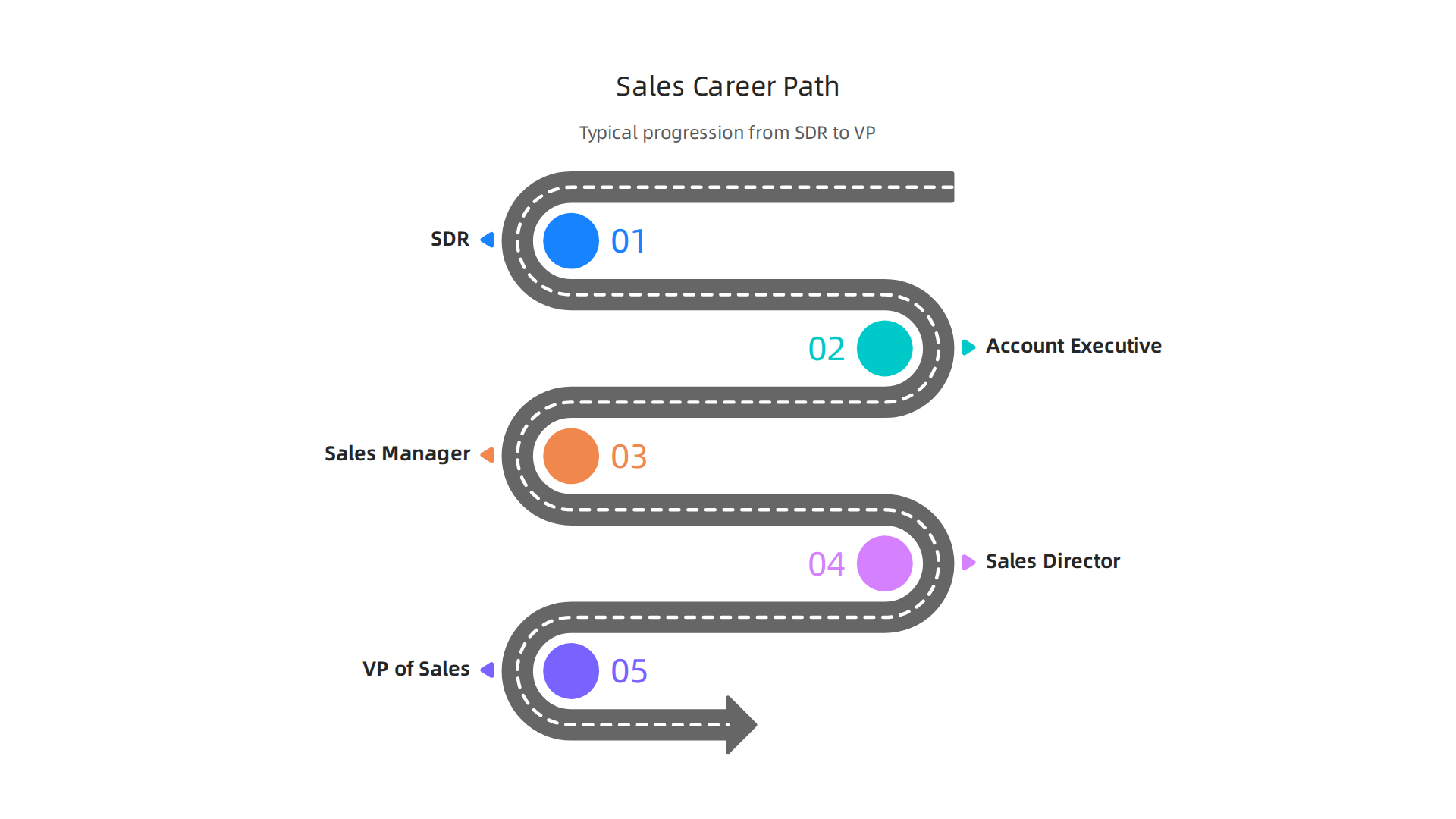
Most sales careers begin in roles focused on selling directly. You might start as a Sales Development Representative (SDR) or an Account Executive (AE).
- Sales Development Representative (SDR): This is often the first step in a sales career. SDRs find new potential customers and set up meetings for other sales folks. Many SDRs aim to become AEs [^monday.com].
- Account Executive (AE): After proving you can sell well, you move to being an AE. Here, you manage the whole sales process, from talking to new customers to closing deals.
From an AE role, the next big step is usually into sales management.
- Sales Manager or Regional Sales Manager: In this job, you lead a small team of AEs. You coach them, help them reach their sales goals, and track their progress. This is where you really learn how to be a leader. You’ll spend about three to five years here, proving you can grow a team’s sales numbers.
- Sales Director: After successfully leading a team as a sales manager for a few years, you can aim for a sales director position. This role means you oversee a bigger part of the sales business. You might manage a few sales managers or a larger group of sales teams. You help set the sales strategy and make sure your teams meet overall company goals. Some companies also hire sales directors from outside, especially if they have a lot of leadership experience.
Sometimes, a Sales Director might even become a Vice President (VP) of Sales. This is an even higher role where you guide the entire sales effort for a company.
Moving Between Industries and Into Remote Leadership
Sometimes, people want to change the type of product they sell or the industry they work in. This is called a lateral move. When you switch industries, you need to learn about new products and different kinds of customers.
Moving into remote sales leadership is another big change. In 2026, many sales director roles are remote, so you need special skills. You must be great at talking to people online, using different tech tools, and leading a team that isn’t in the same office [^justsalesjobs.com]. It’s about making sure everyone feels connected and works well together, even when far apart. You might also need to understand how to use digital marketing tools to support your team, and learning how to master AI digital marketing for online sales jobs in 2026 can be a real advantage here.
How Long Does it Take?
Becoming a sales director takes time and effort. Here’s a general idea of the timeline:
- SDR to AE: Usually 1 to 2 years if you perform well.
- AE to Sales Manager: About 3 to 5 years as a top seller who also shows leadership potential.
- Sales Manager to Sales Director: Another 2 to 4 years of strong performance leading teams.
So, to reach a sales director role, you might expect to spend around 6 to 10 years climbing the sales ladder. Along the way, hiring managers look for clear signs of success. They want to see that you consistently hit sales targets, helped your team members grow, and were good at predicting sales. Getting good training can help speed up this process [^coursera.org].
Training, certifications, and programs that actually help (and which to avoid)
So, you want to become a sales director? That’s a great goal! Just like any other important job, getting the right training can really help you get there faster and do well in the role. In 2026, there are many training programs out there, but you need to know which ones are truly helpful and which might just waste your time and money.
How to Pick the Best Training Programs
When looking for training, you want programs that give you real skills and show clear results. Think about these things:
- Do they show real success? Good programs will have stories or numbers that prove they help people get better at sales. They should help you close more deals or lead teams better, not just give you a fancy piece of paper. Many top sales training programs for 2026 focus on measurable results, like boosting sales performance and skill enhancement for teams and individuals alike [^proprofstraining.com].
- What do they teach? For a sales director, you need to learn more than just selling. You need to know how to lead people, plan sales goals, and understand sales data. The best sales training will help you with sales strategy, managing customer relationships, and important negotiation skills [^coursera.org].
- Are they up-to-date? Sales changes fast! Make sure the training talks about today’s selling methods, like using new tech and working with remote teams. Some programs even focus on breaking into tech sales, which is a big area right now [^higherlevels.com].
You should be careful with programs that promise quick riches or don’t show any real proof of helping others. Always look for honest reviews and clear learning goals.
Useful Ways to Learn and Grow
There are different kinds of training that can truly help you become a great sales director:
- Mentorship: This is when an experienced sales leader guides you. They share their wisdom and give you advice specific to your career path. This kind of one-on-one help can be very valuable.
- Cohort Programs: Imagine learning with a small group of other sales professionals. You all go through the training together, share ideas, and help each other. This can be great for learning from others and building a network.
- Company-Sponsored Leadership Training: Many companies offer their own training for rising leaders. If your company has this, take full advantage! It shows them you are serious about growing with them.
- Hands-on Sales Operations Projects: Getting involved in projects that improve how sales teams work, like setting up new tools or making sales reports better, gives you real-world leadership experience. These projects teach you the practical side of sales management.
- Certifications: Some specialized sales courses or certifications can make your resume shine. Look for ones that are well-known and respected in the sales world [^salesflare.com]. You can find many choices of courses and certificates in sales online that cover everything from sales strategy to communication [^coursera.org].
To really get ahead, you’ll need to develop modern skills. Learning how to master AI digital marketing for online sales jobs in 2026 can give you a huge advantage as a future sales director or regional sales manager. This helps you understand how to use smart tools to find and connect with more customers.
Making Your Own Plan to Succeed
To become a sales director, don’t just wait for training to come to you. Make your own plan!
- Set Clear Goals: What do you want to achieve? Maybe you want to lead a bigger team, or hit a certain sales target.
- Find the Right Training: Pick programs or mentors that will help you reach those goals. Look for specific sales training strategies that boost performance [^infoprolearning.com].
- Track Your Progress: Keep an eye on how you’re doing. Are you learning new skills? Are your team’s sales numbers improving because of your leadership? These are called KPIs (Key Performance Indicators) and they show if you’re on the right track for promotion to a sales management role.
By being smart about your training and having a clear plan, you can greatly improve your chances of becoming a successful sales director.
Compensation, commission models, and income stability for remote Sales Directors
After learning about helpful training, it’s time to talk about money! As a sales director, you’re not just leading a team; you’re also earning a great living. Understanding how you get paid is super important, especially for remote sales jobs, because it can be a bit different from other types of work.
How Sales Directors Get Paid
Most sales director jobs, including those for a regional sales manager, have a few key parts to their pay:
- Base Salary: This is the fixed amount you get paid regularly, like every two weeks or once a month. It’s your steady income, no matter how many sales your team makes. In 2026, the average base salary for a sales director in the U.S. can vary, but many are seeing good pay. For example, some reports show average salaries around $128,226 per year [^payscale.com_global_sales_director_salary] or even up to $235,744 annually depending on the company and location [^glassdoor.com_sales_director_salary].
- Commission: This is extra money you earn based on how well your team performs. If your sales team hits their goals, you get a percentage of those sales. This is a big part of sales management pay.
- On-Target Earnings (OTE): OTE is your total expected pay if you and your team meet all your sales goals. It includes your base salary plus your expected commission [^apollo.io_ote_meaning]. This number can be quite high, with some sales directors having OTEs over $200,000 in 2026 [^salary.com_sales_director_salary].
- Equity or Bonuses: Some companies, especially tech companies, might offer you a share of the company (equity or stock options) or special bonuses for hitting big targets. This can be a great way to earn even more if the company does well.
For remote sales director roles, the pay structure is very similar to in-office roles. The main difference might be how performance is tracked, often relying on digital tools and clear sales targets for your team.
Making Sure Your Income Is Steady
A big part of sales management is understanding that your pay can go up and down because of commission. Here’s what to think about:
- Income Volatility: Since commission changes with sales, your total income might not be the same every month. This is a normal part of sales jobs.
- Ramp Periods: When you start a new sales director job, it often takes time to build your team and get sales going. This is called a "ramp period." During this time, your commission might be lower, so make sure your base salary is enough to live on.
- Guaranteed Parts: Look for roles that have a strong base salary. A higher base means more stable income, even when sales are slow.
How to Get More Income Stability When Negotiating
When you’re offered a sales director position, you can talk about ways to make your income more secure:
- Ask for a Higher Base Salary: This is the easiest way to make your income more stable.
- Negotiate a "Draw": A draw is like an advance on your future commissions. The company pays you a set amount for a few months, even if sales are low, and then takes it back from your future commissions when sales pick up.
- Look for Bonuses: Sometimes companies offer bonuses for reaching certain milestones, which can help smooth out income.
- Understand Equity Vesting: If you get stock options, find out how quickly they become yours. "Accelerated vesting" means you get them faster, which can add to your financial security sooner.
By paying close attention to these parts of your offer, you can find sales jobs that give you both high earning potential and good income stability. For those interested in managing sales teams, knowing about management rights can also be a key part of your career blueprint for 2026. This helps you understand your role in growing the company.
Summary
This guide explains how to move from frontline sales into senior online sales management—specifically sales director roles—by outlining the role, the skills you need, where to find legitimate remote opportunities, and how compensation works in 2026. It covers what sales directors do day-to-day, the different job titles you may encounter, and the technical and leadership skills now required (CRM, data literacy, virtual selling). You’ll learn practical steps for spotting real remote listings, preparing for interviews and role‑plays, and negotiating base salary, OTE, and stability measures like draws or bonuses. The article also maps common career paths (SDR → AE → manager → director → VP), realistic timelines, and how to choose training and mentorship that actually accelerate promotion. By the end you’ll know where to look for remote leadership roles, how to prove impact with numbers, and how to negotiate offers that balance upside with income security.