
Land High-Paying Online Sales Jobs with Real Estate CRM Expertise
Overview
Imagine you’re looking for a new job in online real estate sales or working remotely to help people buy and sell homes.

It’s an exciting path, but it can also be tricky. You might find yourself juggling many potential clients, losing track of who you’ve called, or forgetting important details from past chats. This problem, where leads get scattered and follow-ups are missed, can make it hard to show employers or clients how well you manage your work pipeline. It’s tough to prove you’re on top of things without a clear system.
This is exactly why a dedicated real estate CRM is so important. A Customer Relationship Management (CRM) tool helps you keep all your client information in one place. It’s like having a super organized assistant for all your sales work. In 2026, real estate professionals are relying more than ever on technology. For example, some companies have seen high adoption rates for integrated real estate technology and AI-powered "Super Apps" which include CRM features, with over 75% of agents using them, setting a new standard for the industry [1]. Surveys also show that more real estate professionals are looking into how AI can help with CRM, making these tools even more powerful [3].
This guide will help you understand what a real estate CRM does and why it’s a must-have tool for today’s online sales careers. We’ll show you how to look at different CRM examples to find the best one for a remote sales job. We’ll also cover how to learn new skills to use these tools well and how to show employers or clients that you can manage your sales pipeline effectively to earn more commission. This will help you find and succeed in great remote sales jobs [2]. Our advice comes from looking at what top experts and surveys say about technology in real estate this year, mixed with practical tips for those starting or growing their online sales journey.
Why a Real Estate CRM Matters for Online Sales Job Seekers and Remote Agents
Imagine you’re trying to land a new remote sales job in real estate. Or maybe you’re already a remote agent, working hard for your commission. How do you show that you’re super organized and great at managing many clients at once? That’s where a real estate CRM comes in. It’s not just a nice-to-have tool anymore; it’s a must-have for success in 2026.
Keep Everything in One Place
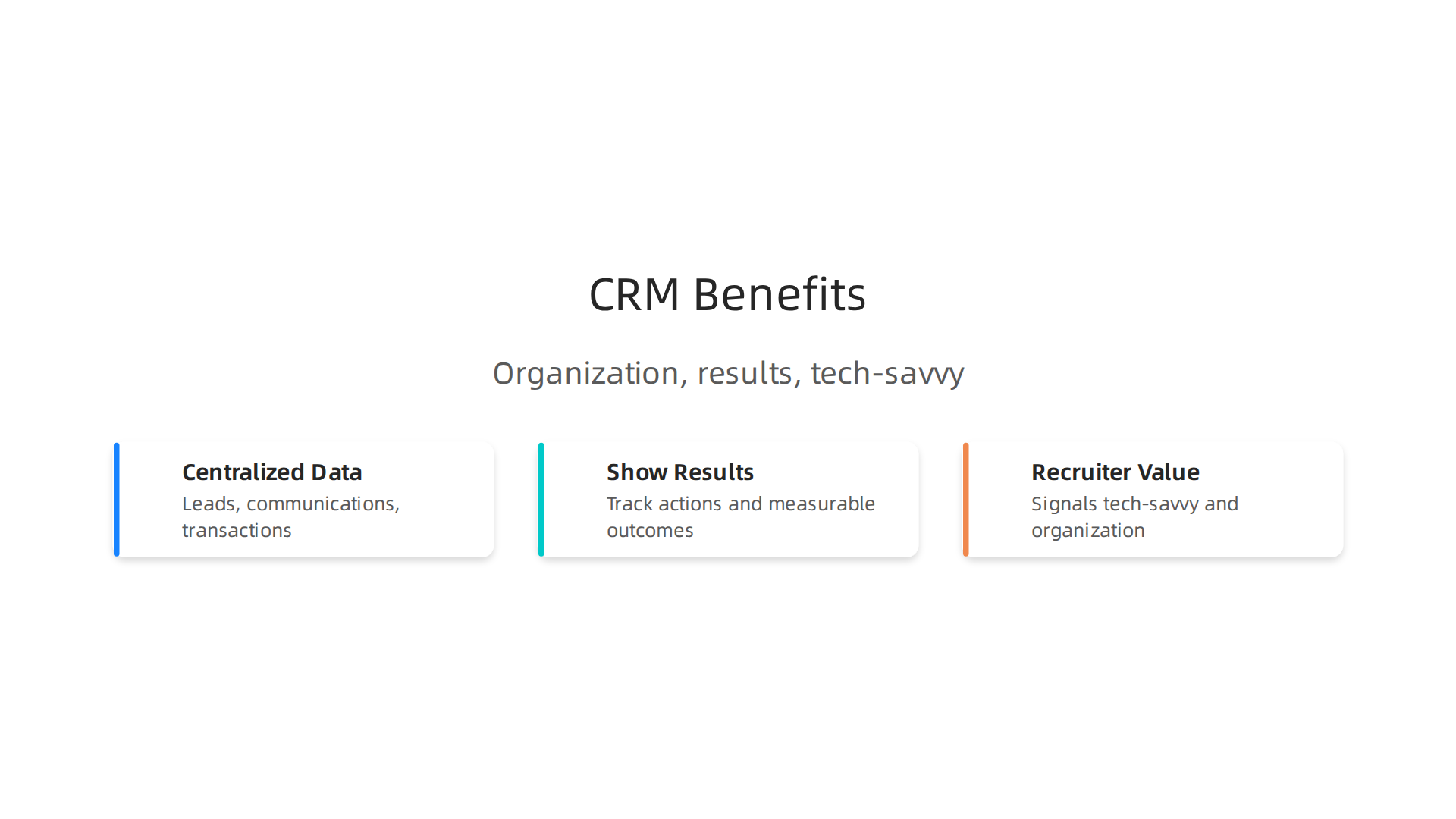
A good real estate CRM helps you put all your important work details in one spot. Think about it:
- Leads and clients: Who are you talking to? What properties are they interested in? All this information lives together.
- Communications: Every call, email, or text you send to a client gets saved. This means you won’t forget what you promised or talked about before.
- Transaction history: When a client buys or sells, all the steps and paperwork are clear.
This centralization is super important for anyone in online real estate sales. It helps you keep track of your "pipeline," which is like your list of possible deals.
When you apply for jobs or work for a brokerage, showing you can keep your pipeline organized is a big deal. It proves you’re ready for fast-paced work and can handle many clients at once [11].
Show Your Work and Results
For remote sales jobs, especially those that pay based on how much you sell (commission), showing your activity and results is key. A real estate CRM helps with this in simple ways:
- Track your actions: You can easily see how many calls you made, emails you sent, or follow-up steps you took. This shows you’re always working and not just waiting around.
- Proof of progress: It helps you show how you move clients through the sales process, from just being interested to signing a deal. This data is like a report card of your efforts.
- Measurable outcomes: When you close a deal, the CRM records it. This gives you clear numbers to share, proving you can get results. Real estate experts agree that using modern CRM solutions helps boost leads and close deals faster [10].
This kind of clear data is very helpful during job interviews. You can actually show a hiring manager how you’d manage your clients instead of just saying you’re organized.
Why Recruiters Value CRM Experience
In 2026, the real estate world moves very quickly. People looking for homes expect quick answers and smooth service [14]. This is why companies and recruiters look for agents who know how to use digital tools, especially a real estate CRM.
Having experience with a personal CRM signals that you are:
- Tech-savvy: You know how to use modern tools to get your job done.
- Organized: You can handle lots of information without getting lost.
- Ready for remote work: You understand how to manage your sales process digitally, which is perfect for online roles.
Many real estate companies use integrated tech, including powerful CRM features, and over 75% of agents use them today [1]. Recruiters see this experience as a sign of digital sales readiness. If you want to find great remote sales jobs, understanding tools like a real estate CRM is a powerful step. You can also explore how AI helps agents use their CRM even better by checking out helpful videos like "How Real Estate Agents Can Actually Use AI in Their CRM" [13].
Ready to learn more about starting your online sales journey? We have more tips to help you succeed, including how to uncover legitimate remote sales jobs.
Uncover Legitimate Remote Sales Jobs with Direct Sales Agencies
Core CRM features online sales professionals must master
Knowing why a real estate CRM is important is a great first step. But what specific parts of a real estate CRM should online sales professionals know well? If you want to get good at online sales or land a remote real estate job in 2026, mastering these features is key.
They help you stay on top of your game and prove your skills.
Catching Leads and Knowing Where They Come From
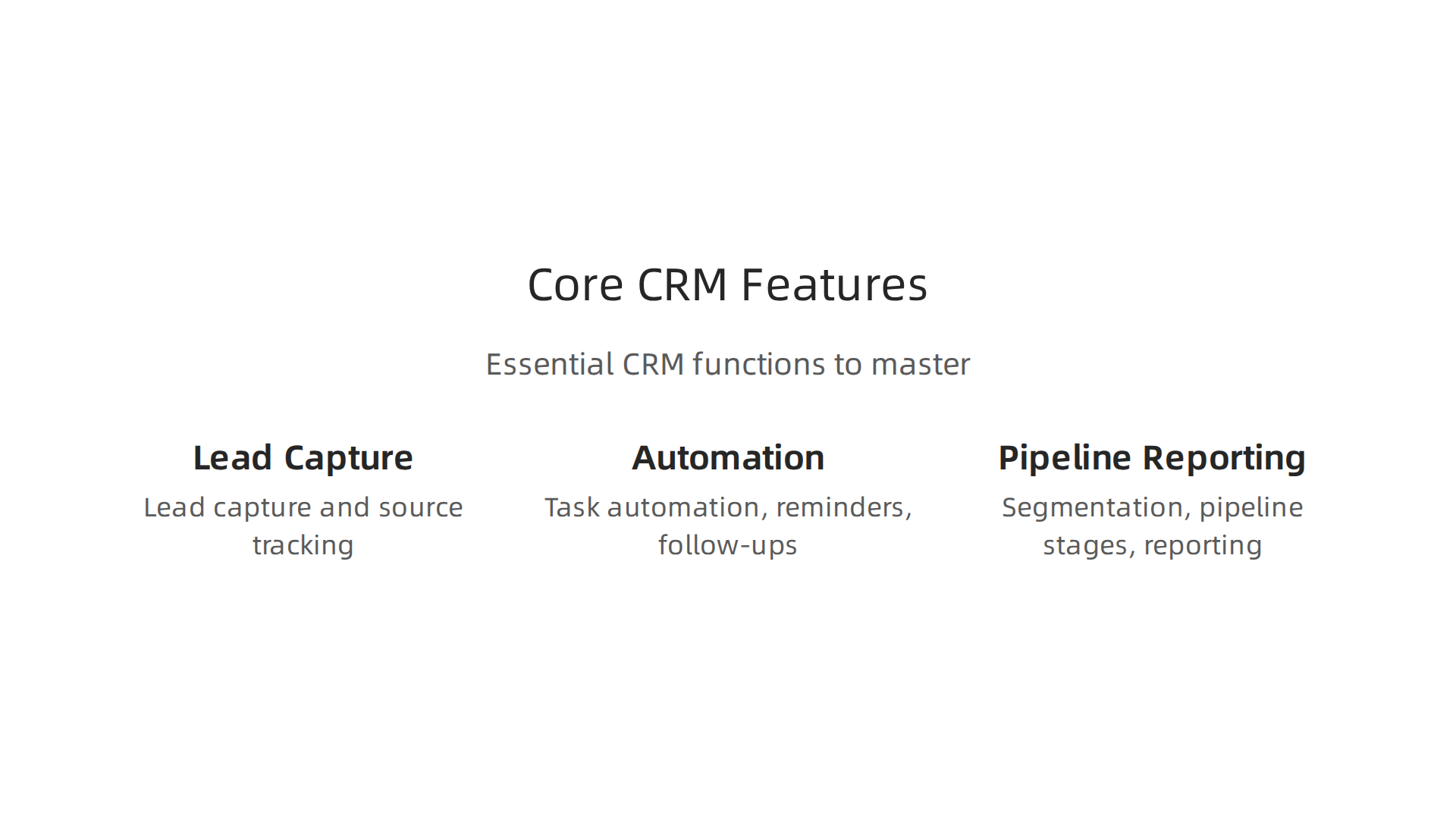
One of the most important things a real estate CRM does is help you catch new leads and remember where they came from. Think of leads as new people interested in buying or selling a home.
- Lead Capture: A good real estate CRM lets you easily add new people to your list. This can be from your website, social media, or even a phone call.
- Source Tracking: Here’s the smart part: the CRM remembers how each lead found you. Did they click on an ad? Did someone refer them? Knowing this is super important, especially if your pay depends on how many deals you close (commission-based work). If you know where your best leads come from, you can focus your effort there and make more money. Experts agree that using modern CRM solutions helps boost leads [6].
Understanding lead sources helps you show hiring managers that you know how to work smart and effectively. Many top real estate CRM software options for 2026 offer robust lead management tools to help with this [7].
Auto-Piloting Your Tasks and Follow-Ups
When you work remotely, you don’t have coworkers reminding you about things. That’s where a personal crm with smart automation comes in.
- Task Automation: A real estate CRM can do many small jobs for you. It can automatically send a "nice to meet you" email after a first contact or set up a reminder to call a client back next week.
- Reminders: You’ll get pop-ups or emails reminding you about important calls, meetings, or documents you need to send. No more forgetting crucial steps.
- Follow-Up Sequencing: This means the CRM can help you plan out a series of messages or calls for each client. For example, it might send an email, then a text a few days later, then remind you to call. This helps you keep in touch with many people without forgetting anyone, making remote selling much smoother. Many of the best CRM examples for real estate in 2026 include these automation features to streamline sales [3].
Seeing Your Progress and Predicting Your Pay
Finally, a real estate CRM helps you see how well you’re doing and even guess how much you’ll earn.
- Contact Segmentation: This means you can sort your contacts into different groups. Maybe "hot leads," "past clients," or "investors." This helps you send the right message to the right people.
- Pipeline Stages: Your "pipeline" shows where each deal stands. Is a client just looking? Are they ready to make an offer? Moving clients through these stages is how you close deals. Seeing your pipeline clearly helps you manage your time and know who to focus on next.
- Reporting: A real estate CRM creates simple reports that show your activity and how many deals you’re closing. This data lets you show off your progress to a manager or predict your future earnings. Knowing how to use these reports is a great skill for any online sales professional. Top CRM software, like those often compared to robust platforms such as CRM software Salesforce, provides deep reporting tools to help agents forecast earnings and cut sales cycles [2, 9].
Mastering these features shows you’re ready for the demands of online real estate sales. It’s about being organized, efficient, and smart with your time. If you want to learn more about remote sales work, you can explore tips on how to uncover legitimate remote sales jobs with direct sales agencies.
How to choose a CRM for remote/online real estate selling (criteria and selection flow)
Now that you know what important features a real estate CRM has, the next step is to pick the right one for you.
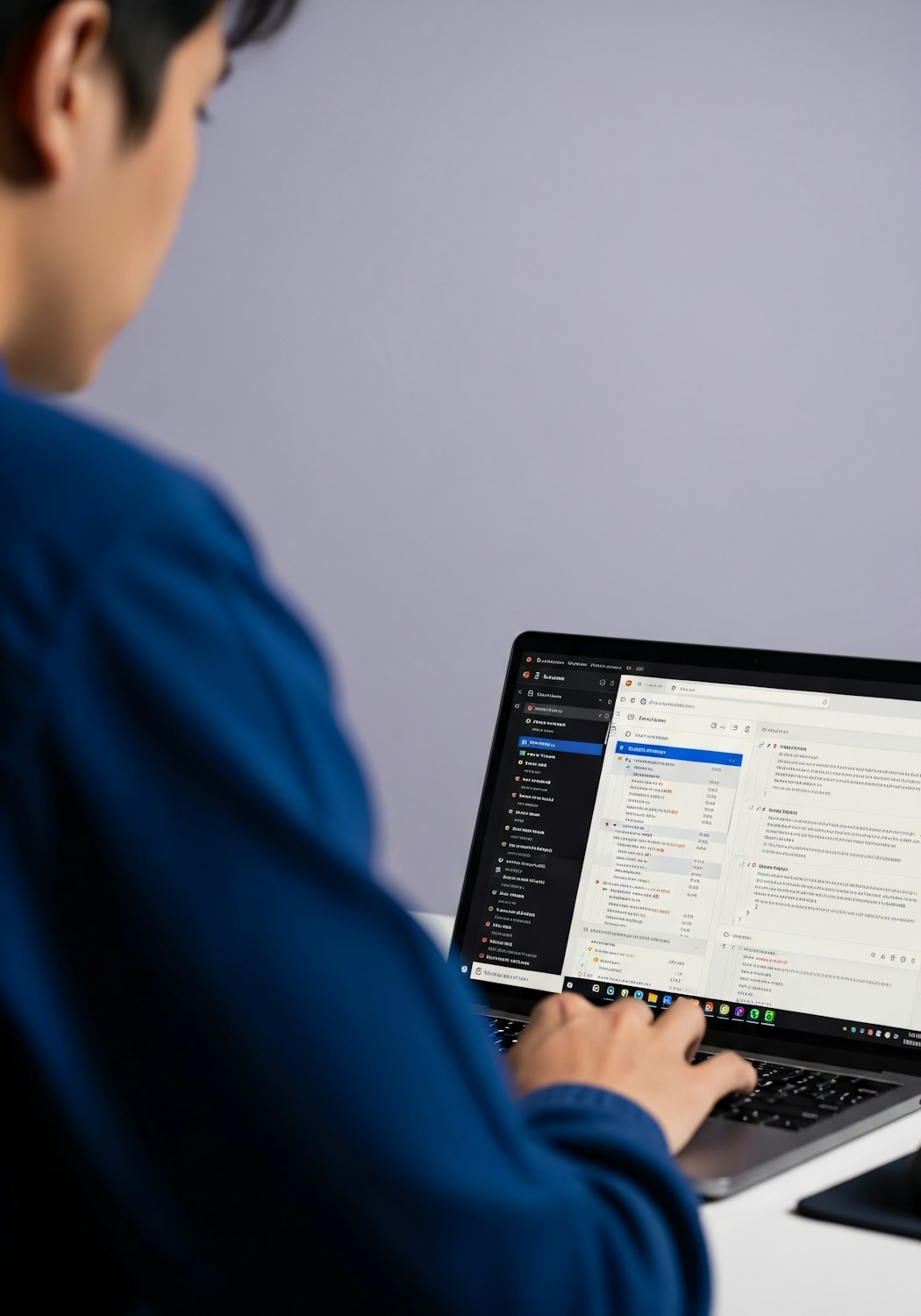
Choosing the best tool makes all the difference when you work from home or online. It helps you stay organized and do your job well. In 2026, there are many real estate crm options. Here’s how to think about picking one.
Important Things to Look For
When you choose a real estate CRM, keep these points in mind:
- How Much It Costs: Some CRMs are free to start, while others cost money every month. Think about your budget. If you’re a solo agent, a cheaper personal crm might be best. Big teams might spend more on robust crm software like Salesforce.
- Is It Easy to Use? You want a real estate CRM that’s simple to learn and use every day. If it’s too hard, you might not use it at all. Look for easy-to-understand menus and clear buttons.
- Can You Use It on Your Phone? Since you’re working remotely, you might be out and about. A good real estate CRM needs a mobile app that works well on your smartphone or tablet. This lets you update client info or send emails from anywhere.
- Does It Work With Other Tools? Your CRM should be able to connect with other programs you use, like your email, calendar, or marketing tools. This helps everything work together smoothly.
- Can You Get Your Data Out? This is called "data portability." If you ever decide to switch to a different real estate crm, you want to be able to take all your client information with you. Make sure the CRM lets you do this easily.
Matching the CRM to Your Job
The best real estate CRM for you depends on your role and how you get paid.
- For Solo Agents: If you work alone, you need a personal crm that helps you manage all your clients and tasks. You’ll likely pay for it yourself, so cost and ease of use are super important.
- For Team Members or Inside Sales Reps: If you work for a company or on a team, they might already have a real estate crm chosen for you. These often include powerful crm examples built for many users, like those compared to CRM software Salesforce, which can handle lots of clients and team projects. Your job will be to learn their system.
- Your Pay (Salary vs. Commission): If you earn money mostly from commission, using a real estate CRM that tracks your pipeline and shows your sales reports clearly is very helpful. It lets you see what’s working and how much you might earn. If you want to learn more about how different roles fit into remote sales, check out how you can find and thrive in online sales assistant roles.
Keeping Client Information Private and Safe
A big thing to think about in 2026 is data privacy. When you store client names, addresses, and other details in a real estate crm, you have to keep that information safe. There are laws like GDPR and new state privacy laws that tell you how to protect client data [1, 2].
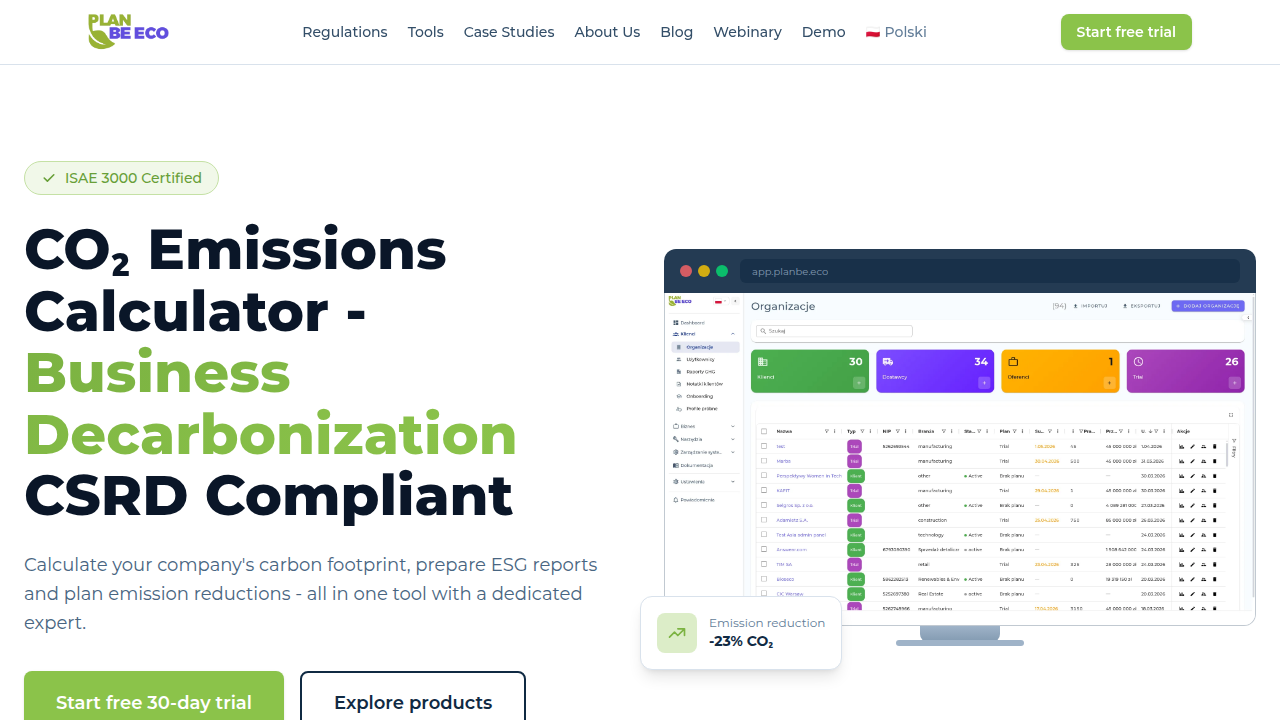
You also need to understand how rules affect privacy, especially for things like real estate ownership through LLCs [3].
When choosing a real estate CRM, make sure the company that makes it understands these laws. They should have strong security to keep your client’s information private. Not following these rules can lead to big problems. Many states now have their own comprehensive data privacy laws, so it’s a complex area to navigate [4, 5]. Always ask your company or the CRM provider how they handle data privacy and vendor compliance to avoid issues [6].
Picking the right real estate crm isn’t just about cool features. It’s about finding a tool that fits how you work, helps you succeed, and keeps your clients’ information safe and private.
Citations:
- GDPR for Real Estate — Guide 2026 | Plan Be Eco
- Real Estate Data Privacy Laws 2026 – SafeRedact
- The End of Real Estate LLC Privacy? New Rule Explained – YouTube
- State Privacy Laws: 2026 Changes & Compliance – Axiom Law
- Data Privacy in 2026: State Enforcement Takes Center Stage
- Real Estate Data Privacy: Vendor Compliance Guide
Workflow templates, integrations and automations that speed virtual prospecting and closing
Picking the right real estate CRM is a big step, but its true power for remote work comes from how well it connects with other tools and how much work it can do for you automatically.

In 2026, the best real estate CRM helps you work smarter, not harder, especially when you’re managing clients and deals from afar. These smart features make a real difference in how fast you can find new clients and close sales.
Essential Connections: Making Your Tools Work Together
A good real estate CRM doesn’t just sit alone; it talks to all your other important programs. This is what we call "integrations." When your CRM can connect with other tools, it means less copying and pasting for you. Look for a system that links up with:
- MLS/IDX Feeds: This lets you pull property information directly into your real estate CRM. You don’t have to jump between websites to get details on homes for your clients.
- Calendar and Scheduling: Your CRM should easily connect to your calendar. This helps you set up showings, calls, and meetings without double-booking or forgetting appointments.
- Email and SMS Platforms: Sending messages and keeping track of all your talks with clients becomes simple when your email and text tools are part of your CRM.
- Document Signing Tools: For things like contracts and offers, a good real estate CRM integrates with e-signing services.
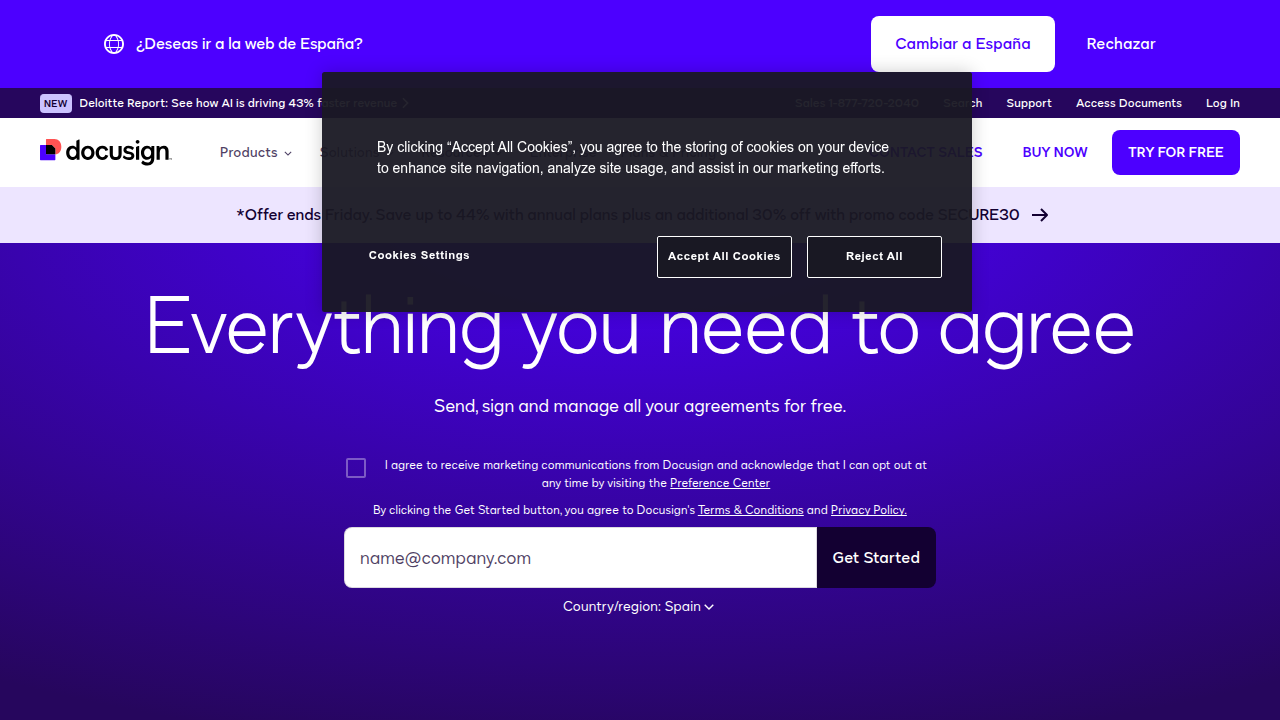
If you ever have trouble with these kinds of tools, it helps to know how to resolve your DocuSign login with email access issues quickly.
- Payment and Commission Tracking: You can keep an eye on your earnings and payment statuses right inside your real estate CRM. This is very helpful for agents who work on commission.
Connecting these tools helps cut down your sales cycle and makes everything flow better [1].
Turnkey Templates for Your Work
Many real estate CRMs come with ready-made plans called "workflow templates." These templates are like recipes for common tasks. They tell you what steps to take and when, so you don’t have to start from scratch every time. This can speed up how you find clients and manage deals [2]. For example, you might find templates for:
- Cold Outreach: A step-by-step guide for contacting new potential clients you haven’t talked to before.
- Buyer Nurture: A plan to keep in touch with buyers, sending them new listings and helpful information until they are ready to buy.
- Listing Promotion: Ways to share your new property listings across different places like social media and email.
- Virtual Open Houses: A checklist to make sure your online open house goes smoothly.
Whether you use a simple personal CRM or a more robust CRM software like Salesforce, these templates save you time and help you be consistent.
Smart Automations to Do the Heavy Lifting
Automation is when your real estate CRM does tasks for you without you having to click a button. These smart helpers reduce manual work and make sure nothing gets missed. This is key for keeping your business running smoothly when you work online.
Here are some cool things automation can do:
- Send Automatic Emails: After a first phone call, your CRM can send a "nice to meet you" email right away.
- Set Reminders: It can remind you to follow up with a client if you haven’t heard from them in a few days.
- Update Client Status: When a client opens an email about a new property, the CRM can automatically update their interest level.
- Track Everything: Your CRM keeps a clear record of all your actions, like calls made, emails sent, and properties shown. This creates a detailed activity log that helps you see your performance and what led to each sale.
By using these integrations, templates, and automations, your real estate CRM becomes a super-helper that makes working online much easier and more effective in 2026.
Onboarding, training and closing CRM skill gaps for career switchers and beginners
Starting a new job or switching careers can feel like a big puzzle, especially in the fast-paced world of real estate. If you’re new to real estate or coming from another field, learning how to use a real estate CRM is super important. It’s the main tool you’ll use every day. Good training helps you get started quickly and shows you know your stuff, which is great for finding online sales jobs in 2026.
Getting Started: Your First Steps with a Real Estate CRM
When you’re new, the idea of using a powerful tool like a real estate CRM can seem a bit much. But don’t worry, we can break it down. A good onboarding plan helps new agents succeed and become productive fast [1]. Here’s a simple path for beginners:
- Account Setup: First, you’ll set up your personal account. This is usually guided by your brokerage or the CRM itself. You’ll put in your basic info and maybe choose your settings.
- Importing Contacts: Next, you’ll bring in your current list of contacts. This could be friends, family, or past clients. Most real estate CRMs make it easy to upload lists from a file.
- First Workflows: Try out a simple task. For example, send a welcome email to a few contacts. Or create a reminder to call someone next week. This helps you get a feel for how the system works.
- Daily Routines: Learn what you’ll do every day. This might mean checking your tasks, updating client notes, or adding new leads. Knowing your daily rhythm helps you use your real estate CRM effectively.
Many real estate companies have special plans for new agents, often spread out over 30, 60, or 90 days, to help them get comfortable [2].
Showing What You Know: Training and Learning Paths
To really shine in interviews and on the job, you need to show you can use a real estate CRM well. This is especially true for those looking for new opportunities, perhaps even in online sales assistant roles. Here’s how you can learn and prove your skills:
- Online Courses and Guides: Many CRM companies offer free lessons or video tutorials. For example, if you’re looking at popular crm software like Salesforce, they have a lot of learning materials. Taking these courses can help you understand how different crm examples work.
- Certifications: Some CRMs offer certificates when you complete their training programs. This is a clear way to show future employers you have the skills.
- Mini-Projects: Practice by creating your own "personal crm" setup. Use a free trial of a real estate CRM to:
- Add fake clients and track their journey.
- Set up automated emails for different client types.
- Create reports on your "sales" activity.
- This builds a small portfolio to show your skills.
Learning about essential real estate CRM features for 2026 can give you an edge [3].
Career Switchers: Turning Old Skills into New Success
If you’re changing careers, you probably have lots of useful skills that can help you in online sales, even if you haven’t used a real estate CRM before. You just need to show how those skills fit.
- Customer Service: If you’re great at helping people, that’s perfect for sales! A real estate CRM helps you keep track of all client talks, so you can give amazing service. You can show how your past experience in customer care means you’ll use the CRM to remember details and follow up well.
- Negotiation: Have you ever helped people find a common ground? That’s negotiation! In real estate, you’ll use your CRM to track offers and counter-offers, making sure you stay organized through complex deals.
- Project Management: Maybe you’re good at planning and seeing tasks through to the end. That’s just like managing a sale! Each deal in your real estate CRM is like a project with many steps, and your organizational skills will help you guide clients smoothly from looking to buying.
Highlighting these transferable skills with real-world examples from your past can make you a strong candidate, even if you’re new to the specific real estate crm tools.
Ready to take your online sales career to the next level by mastering essential sales tools?
Explore Sales Training and Career Resources
Measuring ROI and Demonstrating Value: Tracking Commission Impact and Career Outcomes with CRM
You’ve learned how a real estate CRM helps you get started and build skills. Now, let’s talk about showing off what you’ve done with it. When you’re looking for a job or aiming to grow your career, employers want to see proof that you can make money for them. A real estate CRM is perfect for showing this. It helps you track your work and prove your value.
What CRM Reports and Numbers Matter to Employers?
Hiring managers and brokers love numbers that show success. Your real estate CRM collects all sorts of important information, called KPIs (Key Performance Indicators), which are just fancy words for key numbers that show how well you’re doing. These numbers can prove you are a good choice for online sales jobs. Here are some of the main ones:
- Pipeline Value: This shows how much potential business you have coming in. It’s like looking at all the deals you’re working on and adding up their possible value. A strong pipeline means more sales might be on the way [1].
- Conversion Rate: This tells how many people you talk to actually become clients or buy a property. For example, if you talk to 10 leads and 2 buy, your conversion rate is 20%. A good real estate CRM helps you see where clients are in their journey, from just looking to buying [2].
- Average Days-to-Close: This is how long it takes, on average, to complete a sale from start to finish. If you can close deals faster, it means you’re efficient and can handle more clients.
- Activity Metrics: These are simple numbers like how many calls you made, emails you sent, or meetings you had. They show you’re actively working and reaching out to people.
Tracking these numbers in your real estate CRM shows you’re not just busy, but busy in a way that leads to real results.
How to Show Off Your CRM Skills in Interviews
When you’re a remote salesperson, you might not meet your future boss face-to-face right away. This is where your real estate CRM can really help you stand out. You can use what you’ve tracked to build a strong interview portfolio.
Think about taking screenshots of your CRM dashboards. These are like your personal scoreboards. You could show:
- Graphs that display your sales pipeline over time.
- Reports on how many leads you’ve converted.
- Logs of your activity, like how many calls you made in a week.
Just make sure to block out any private client information to keep it safe. By sharing these actual results from your work with a real estate CRM, you show you’re not just saying you can do the job, you’re proving it.

It helps reduce any doubts an employer might have about your skills, especially if you’re new to the specific crm software like Salesforce or other popular crm examples. This kind of proof can really help you shine when applying for roles, including those in online sales assistant positions.
Showing How Your CRM Work Equals More Money
For people focused on earning commissions, it’s all about showing how your actions lead to more income. A real estate CRM helps you directly connect your efforts to your earnings.
- More Organized Leads, More Sales: When you use your real estate CRM to keep track of every lead and follow up at the right time, you’re less likely to miss a sale. Each completed sale adds to your commission.
- Faster Deals, More Deals: By using the CRM to manage tasks and communicate well, you can shorten the time it takes to close a deal. A shorter "days-to-close" means you can handle more clients and close more deals in a year, boosting your overall commission.
- Better Client Relationships: Keeping detailed notes in your personal crm helps you remember important things about clients. This leads to happier clients who might come back or tell their friends about you, bringing in even more business. These are sometimes called Customer Lifetime Value, and CRMs are essential for tracking it [1].
By explaining how your organized approach using a real estate CRM directly led to quicker sales or more repeat clients, you can clearly show your value. You’re not just doing tasks; you’re using the tool to bring in more money for yourself and the company. Learning about the essential real estate CRM features for 2026 can give you a significant advantage in showing this value [3].
Summary
This article explains why a dedicated real estate CRM is essential for anyone pursuing online real estate sales or remote agent roles in 2026. It covers what CRMs do—centralize contacts, record communications, track transactions, and automate follow-ups—and shows which features matter most for remote, commission-driven work. You’ll learn how CRMs capture lead sources, run automated nurture sequences, integrate with MLS, calendars, e-signing, and payment systems, and use ready-made workflow templates to speed prospecting and closings. The guide also walks through how to choose a CRM based on cost, ease of use, mobile access, integrations, and data portability, while highlighting legal and privacy considerations. Practical onboarding steps, training options, and ways career switchers can translate past skills into CRM proficiency are provided. Finally, it describes which KPIs employers care about and how to use CRM reports to prove your productivity and commission impact during hiring conversations.