

Management Rights Sales: Your 2026 Career Blueprint
Overview
Introduction
Sales is everywhere in 2026. From the apps on your phone to the services you subscribe to, someone in a sales role helped make that connection. Today, more of those critical conversations are happening online, creating a massive wave of opportunity for remote sales positions.

This shift opens doors, but it also brings a big question: with so much noise and advice out there, how do you build a real career and not just find another job?
This is especially true in specialized fields like management rights sales. This niche combines deep industry knowledge, sharp business acumen, and sophisticated sales strategies and techniques. It’s about more than closing a deal. It’s about understanding long-term value, navigating complex agreements, and guiding clients through significant decisions. For a sales professional, mastering this area can mean higher earnings, greater job security, and a respected expert status.
We get it. Looking for guidance online can feel overwhelming. You might find conflicting tips, vague promises, or advice that doesn’t apply to the real world of professional sales. How do you know what information is credible? Which skills actually matter to employers right now? How do you craft a business plan for your own sales career?
This guide cuts through the confusion. We’ve built this resource using the latest industry insights, including analysis from major firms like PwC, which notes improving fundamentals and new cycles in global real estate, a key adjacent sector to management rights. We’ll provide you with a clear, step-by-step path to understanding and succeeding in management rights sales. You’ll learn what it really takes, how to develop the necessary skills, and how to position yourself for the best opportunities in today’s market.
Let’s begin.
What Are Management Rights Sales? Defining the Niche
So, what exactly are we talking about when we say "management rights sales"?
Think of a popular vacation resort, a busy marina, or a large residential community. These places don’t run themselves. Someone needs to manage the daily operations, maintain the property, collect fees, and handle bookings. The legal authority to do that job, and to profit from it, is called a "management right." It’s often a long-term contract or license.
Management rights sales is the specialized field of buying and selling these rights. It’s not about selling a physical product like a car or a software subscription. You are selling a business opportunity. You are selling the right to manage an asset and generate an income stream from it.

This is why it demands such strong business acumen. You need to understand profit and loss statements, operational costs, and long-term value. Your sales strategies and techniques must be built around educating a buyer on this complete package. You’re not just listing features. You’re helping them evaluate a business plan for the next 10 or 20 years.
How Is This Different From Other Sales Jobs?
It’s very different from most B2B or B2C sales roles you might know.
- The Product: You’re selling a business contract, not a widget. The value is in future income and responsibility.
- The Buyer: Your client is often an investor or entrepreneur, not a procurement manager. They are making a major life and financial decision.
- The Process: It involves deep legal and financial due diligence. The sale is highly regulated, much like the broader real estate industry, as outlined in official resources like the Arizona Real Estate Law Book.
- The Timeline: These sales can take months, not days or weeks. It’s about relationship building and trust.
Management Rights in the Online Sales Ecosystem
Here’s the exciting part for 2026. While the asset itself might be a physical building, the entire sales process has moved decisively online. The research, marketing, client meetings, and negotiations often happen remotely.
This niche sits at the intersection of two powerful trends: the enduring value of physical real estate assets and the global shift to remote professional work. Industry analysts at PwC note that the real estate sector is entering a new cycle with "improving fundamentals," which creates a dynamic environment for these specialized sales. You can learn more about these global trends in their Emerging Trends in Real Estate report.
Success here means you’re not just a salesperson. You are a consultant, a market expert, and a guide through a complex transaction. It’s a career built on expertise, not just persuasion.
Opportunities Across Career Stages: From Beginner to Expert
The great thing about a career in management rights sales is that it offers a clear and rewarding path no matter where you are in your professional life. Whether you’re just starting out, looking to make a mid-career switch, or ready to become a recognized expert, this niche has a place for you.
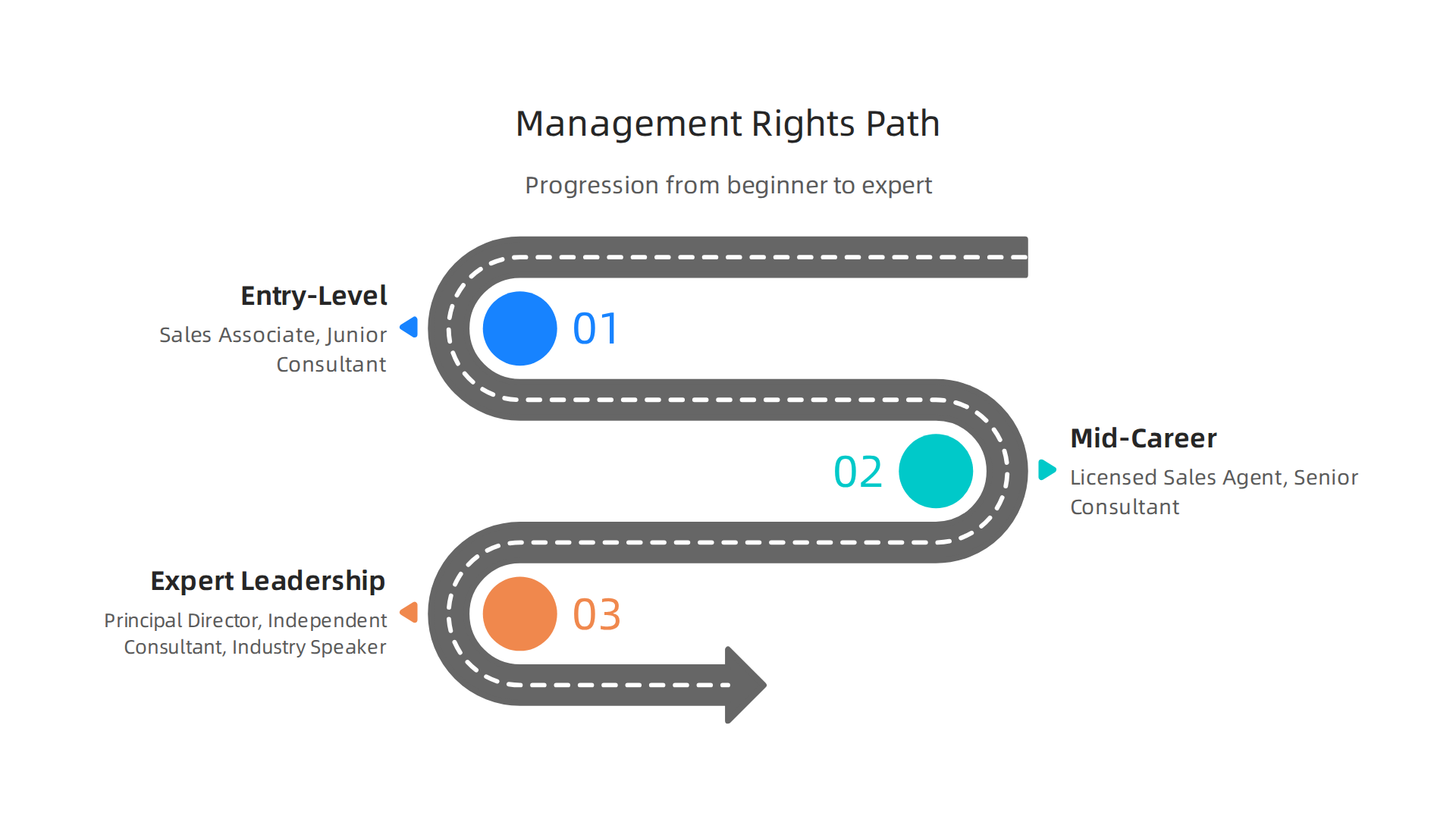
Let’s break down the opportunities at each stage.
Starting Your Journey: The Entry-Level Path
If you’re new to sales or making a career change, don’t let the complexity intimidate you. Every expert was once a beginner. Your goal here is to build a strong foundation.
Start by seeking a role as a Sales Associate or Junior Sales Consultant within a brokerage that specializes in hospitality or property management rights.

Your main job is to learn. You’ll support senior agents, help prepare marketing materials, manage listings on databases, and sit in on client meetings.
This is where you develop your core business acumen. You’ll learn to read profit and loss statements, understand occupancy rates, and see how a management contract translates into a viable business plan. Your previous experience in customer service, administration, or even a different sales field is valuable here. You’re learning the unique language and processes of this market.
The remote-friendly nature of this work in 2026 is a huge advantage for beginners. With approximately 27% of all U.S. paid workdays now done from home, the barrier to entry is lower. You can often start in a support role from anywhere, gaining exposure to high-value transactions without needing to be in a major city hub.
Building Your Reputation: The Mid-Career Advancement
This is where the career gets exciting. With 2-5 years of experience, you transition from supporting to leading. You become a Licensed Sales Agent or Senior Consultant responsible for your own portfolio of buyers and sellers.
Your focus shifts from learning to doing and specializing. You might choose a niche, like luxury resort management rights or marina operations. You develop sophisticated sales strategies and techniques tailored to educating sophisticated investors. Your deep dive into due diligence and contract law becomes your selling point.
Mid-career is also the prime time for professionals from other fields to pivot successfully. If you have a background in real estate, law, finance, or hotel management, your expertise is incredibly valuable. The data shows a strong environment for such moves; research indicates that 38% of professionals were actively looking or planning to look for a new role in early 2026, many seeking more specialized and rewarding paths.
This stage leverages the full power of remote work. You can manage clients across the country or even internationally. The stability of remote work trends, with over 36 million people in the U.S. working remotely at least part-time, means you can build a robust, location-independent business.
Leading the Field: The Expert & Leadership Tier
At the expert level, you are the authority. You’re not just closing deals. You’re shaping them. Common roles include:
- Principal or Director of a Specialty Brokerage: You lead a team, set the strategic vision, and handle the most complex, high-value management rights sales.
- Independent Consultant or Valuer: Owners and investors hire you directly for unbiased advice on buying, selling, or valuing management rights portfolios.
- Industry Speaker and Educator: You share your knowledge at conferences, write articles, and train the next generation of agents.
Your work revolves around high-level strategy, negotiation, and thought leadership. You might develop proprietary models for valuing management contracts or advise on regulatory changes. Your reputation is your most important asset, built on years of consistent results and deep market insight.
This career path proves that online sales isn’t just about digital products. It’s about leveraging technology to manage sophisticated, high-trust transactions in a specialized field. From your first day as a learner to your final role as a leader, management rights sales offers a structured, professional, and deeply rewarding journey in the world of modern sales.
Core Strategies for Success in Management Rights Sales
Now that you see the path, let’s talk about how to walk it successfully. Knowing the roles is one thing. Mastering the daily work is another. In 2026, success in management rights sales isn’t about cold calling a hundred random people. It’s about smart, targeted, and tech-enabled sales strategies and techniques.
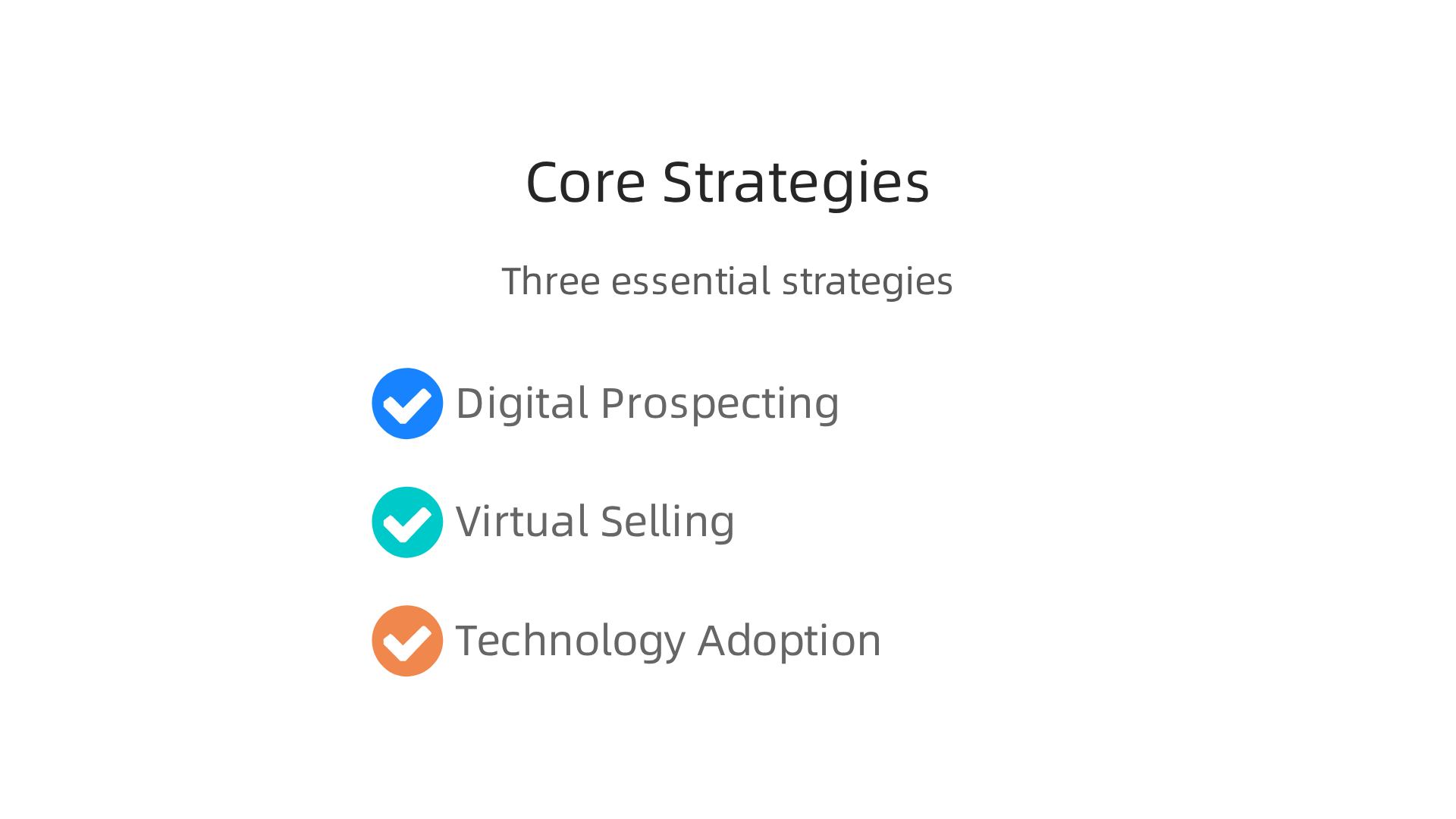
Here are the core strategies you need.
Strategy 1: Digital Prospecting and Lead Generation
Forget the spray-and-pray method. Your ideal buyers are not browsing general real estate sites. They are sophisticated investors looking for a specific opportunity. Your job is to find them where they already are.
This means running targeted campaigns, not broad ads. As one guide on selling in a specific market notes, many successful management rights sales happen through focused outreach rather than public advertising. How do you do this digitally?
- Build a Specialized Online Presence: Create content that shows your deep knowledge. Write articles or make videos about reading profit and loss statements for management rights, or how to evaluate a letting agreement. This attracts the right people to you.
- Use LinkedIn with Precision: Use advanced search to find professionals with backgrounds in finance, hotel management, or real estate investment. Connect with a personalized message about the investment potential you specialize in.
- Partner with Related Professionals: Build a digital referral network with accountants and lawyers who serve small business owners. They often have clients looking for new investment opportunities.
Your goal is to be the known expert for a niche. When someone thinks of buying a resort management rights business plan, you want your name to come up first.
Strategy 2: Mastering the Virtual Sale
From the first video call to the final signed contract, the sale happens online. Your business acumen must be matched by your ability to connect and convince through a screen.
- The Virtual Presentation: Your presentation isn’t just a slideshow. It’s an interactive tour. Use screen sharing to walk through financial models line by line. Use virtual whiteboards to explain complex fee structures. According to sales trends for 2026, buyers expect clear, data-rich, and engaging virtual experiences.
- Virtual Negotiation and Closing: This is where trust is finalized. One of the big challenges sales teams face in 2026 is navigating complex stakeholder decisions. You might be dealing with a buyer, their accountant, and their lawyer all on one call. Practice managing these group dynamics. Summarize key points in the chat as you go. Always follow up with a written summary of what was agreed.
- Handling Objections Remotely: An objection over video can feel more personal. Listen fully, then share your screen to visually address the concern. Maybe pull up a clause in the sample contract or a graph from the financials. Showing, not just telling, builds immense confidence.
Strategy 3: Leveraging Technology for Efficiency
You cannot manage high-trust relationships and complex data with sticky notes and a basic spreadsheet. The right tools free up your time for what matters most: building relationships.
- CRM is Your Command Center: A Customer Relationship Management (CRM) system is non-negotiable. It tracks every interaction with a potential buyer, sets reminders for follow-ups, and stores all documents related to a deal. This ensures nothing falls through the cracks. As highlighted in industry trends, using a platform that centralizes client data is a key efficiency driver.
- Embrace Sales Automation: Use automated sequences for initial follow-ups after someone downloads your guide. Set up automated reminders to check in with past clients on the anniversary of their purchase. This isn’t impersonal. It’s systematic care, allowing you to personalize your efforts where it counts most.
- Let AI Handle the Admin: In 2026, AI tools can draft routine emails, transcribe meeting notes, and even analyze market data to suggest pricing trends. As sales trend reports confirm, leveraging AI for administrative tasks allows sales professionals to focus on high-value activities like strategy and negotiation. Think of it as your digital assistant, handling the routine so you can focus on the complex human elements of the deal.
Success in this field blends timeless sales principles with modern tools. It’s about using targeted digital reach to find the right people, using virtual skills to build trust, and using smart technology to work efficiently. Master these three areas, and you’ll build a strong, sustainable career in management rights sales.
Building Your Skills: Training and Development Paths
Knowing the right sales strategies is a great start. But to execute them well, you need the right skills. For management rights sales, this means building a unique mix of technical knowledge and people skills. Your business acumen needs to be sharp. Let’s break down the skills you need and how to build them.
The Skill Set You Need to Develop
Success here isn’t just about being a good talker. You need to understand the product you are selling inside and out.
- Technical Knowledge: This is your foundation. You must understand what management rights are. This means knowing about the caretaking and letting agreements that form the basis of the income, as explained in industry resources. You need to be able to read and explain profit and loss statements. You should understand how body corporates work. Without this knowledge, you cannot answer deep questions or build trust.
- Core Sales Skills: This is your engine. You need all the classic sales strategies and techniques. This includes prospecting, conducting needs assessments, presenting solutions, handling objections, and closing deals. In 2026, this especially means being great at virtual communication and using a CRM.
- Soft Skills: This is your glue. You need high emotional intelligence to manage complex deals with multiple stakeholders. You need patience, because these sales can take time. You need to be a clear communicator and a good teacher, able to simplify complex topics for your buyers.
Recommended Training and Certification Paths
You don’t have to figure this out alone. A mix of specialized and general training will fast-track your growth.
- Start with Industry-Specific Knowledge: Before any sales training, learn the business. Read comprehensive guides on buying management rights to understand the buyer’s perspective. Study seller guides, like the Hynes Management Rights Sellers Guide, to see the process from the other side. This builds the specialist expertise that sets you apart.
- Invest in Formal Sales Training: Once you know the product, learn to sell it. Enroll in reputable sales courses that teach a structured process. Organizations like the American Management Association offer expert-led workshops on core sales skills. Programs from institutions like Korn Ferry focus on creating repeatable, successful sales behaviors. For a modern overview, you can explore comprehensive sales training resources online.
- Focus on Sales Management and Strategy: As you advance, you’ll need to manage territories, client relationships, and complex negotiations. Training in sales territory management, like that offered by Richardson, is invaluable. For leadership skills, consider programs from providers like Sandler that focus on coaching and driving team performance.
Tips for Self-Directed Learning and Gaining Experience
Formal training is powerful, but your daily habits build true expertise.
- Find a Mentor: The fastest way to learn is to find someone already successful in management rights sales. Ask them about their biggest challenges and best advice. As one industry tip states, you want an agent who specializes because they give the most sound, up-to-date advice.
- Shadow and Listen: If possible, listen in on sales calls or meetings (with permission). Pay attention to how experienced brokers explain financials or navigate body corporate requirements. Notice the questions buyers ask most often.
- Build Your Knowledge Library: Create a simple document or folder where you save key learnings. This could include explanations of different fee structures, sample clauses from letting agreements, or insights into what makes a management rights business "sale-ready." This becomes your personal playbook.
- Practice Public Explaining: Try to explain a concept like "management rights" to a friend who knows nothing about it. If you can make it simple and clear for them, you can do it for a nervous buyer. This sharpens your communication skills.
Building a career in this field is a commitment to continuous learning. Start with the technical knowledge that defines the product. Layer on proven sales skills through quality training. Then, refine everything through real-world practice and mentorship. This dedicated path is what turns an interested salesperson into a trusted expert in management rights sales.
Finding Jobs and Acing Interviews in Management Rights Sales
You have built the right skills. Now, you need to find the right role and land the offer. In 2026, the search and interview process for management rights sales has its own unique flow, especially since many of these roles offer remote flexibility. Let’s look at how to search effectively and interview with confidence.
Where to Look for Management Rights Sales Jobs
Your search should be more focused than just browsing big, general job boards. Management rights is a specialized field. You need to look in the right places.
- Start with Niche Platforms: Look for job boards and career sites that specialize in remote sales, real estate, or financial services. These platforms often have filters for "remote" or "work from home" sales roles, which are increasingly common. For example, remote job postings saw a significant increase heading into 2026, showing more opportunities are out there. Using a niche site helps you avoid sifting through thousands of irrelevant listings.
- Network with Intent: Your professional network is your best asset. Connect with brokers, sales directors, and agents already working in property or business sales on LinkedIn. Let them know you are specializing in management rights. Often, the best jobs are filled through referrals before they are even advertised publicly.
- Target Specific Companies: Research boutique brokerage firms that specialize in management rights or larger real estate agencies with a dedicated business sales division. Go directly to their "Careers" pages and set up job alerts. This proactive approach shows initiative.
How to Prepare for a Remote Sales Interview
When you get that interview invite, preparation is everything. For a remote role, your setup and communication are part of the test.
Get Your Tech Right:
- Use a Professional Background: A clean, tidy space or a simple virtual background works best.
- Check Your Tech: Test your camera, microphone, and internet connection well before the call. A poor connection can derail a great conversation.
- Lighting and Sound: Face a window or use a lamp so your face is well-lit. Choose a quiet room to avoid distractions.
Master Remote Communication:
- Look at the Camera: When speaking, look at your webcam, not the screen. This simulates eye contact and builds trust.
- Speak Clearly and Slowly: Virtual calls can sometimes have slight delays. Enunciate your words and pause to let the interviewer respond.
- Use Visual Aids: Be ready to share your screen. You could have a simple one-page document ready that highlights your key achievements or your understanding of a management rights income statement.
Answering Common Interview Questions
Interviewers want to see your sales skills and your specific knowledge in action. Here is how to frame your answers.
-
"Tell me about yourself."
- Your Strategy: This is your elevator pitch. Connect your past sales experience directly to the needs of management rights sales. Mention your business acumen and your understanding of the unique sales cycle in this field.
-
"How would you approach selling a management rights business?"
- Your Strategy: Outline a clear, step-by-step process. Talk about first deeply understanding the financials and agreements, then identifying qualified buyer profiles, and finally using consultative sales strategies to match the business to the buyer’s goals. Mention that you would rely on a strong business plan for the asset you are selling.
-
"Describe a time you handled a difficult objection."
- Your Strategy: Use the STAR method (Situation, Task, Action, Result). Pick an example that shows patience, empathy, and problem-solving. For management rights, this could relate to a buyer’s concern about body corporate regulations or future income stability. Explain how you researched the concern and provided a factual, reassuring response.
-
"Why do you want to work in this niche?"
- Your Strategy: Show genuine interest. Talk about the complex, high-value nature of the sales and the satisfaction of helping someone invest in a lifestyle business. This demonstrates you are motivated by more than just a commission.
Remember, the interview is your chance to demonstrate that you are not just a salesperson, but a knowledgeable advisor. By searching smartly, mastering the virtual room, and preparing targeted answers, you will show employers exactly why you are the right fit for a career in management rights sales.
Income Stability and Long-Term Career Growth
You have landed the role. That is a huge first step. Now, a common question comes up. "Is my income secure? Where can this career really take me?" It is a valid concern. Many people worry about the "feast or famine" cycle in commission-based sales. But in management rights sales, the story is different. Your business acumen and specialized skills lead to both stability and significant growth.
Understanding Your Earning Potential
First, let’s talk numbers. Yes, a large part of your income is commission-based. This means your paycheck is directly tied to your performance. The more you sell, the more you earn. But this is not a negative. In 2026, data shows that sales roles with a strong commission component often have higher overall earning potential than many salaried positions. For example, industry benchmarks for 2026 highlight that successful sales professionals in complex fields can earn well above average.
The key is the value of what you are selling. You are not selling a simple product. You are selling a business, often worth hundreds of thousands of dollars. A single sale can provide a substantial commission. This high-value nature helps smooth out income. You are not relying on closing dozens of small deals every month. One or two major sales a quarter can build a very strong income floor.
Strategies for Building Income Stability
So, how do you move from potential to predictable stability? You build a system.
- Diversify Your Pipeline: A great salesperson never has all their prospects in one stage. Always have a mix of potential buyers in your pipeline. Some are just learning, some are reviewing financials, and some are ready to negotiate. This constant flow protects you if one deal falls through. Modern sales strategies and techniques focus heavily on pipeline management for this exact reason.
- Focus on Performance Metrics, Not Just Results: Track leading indicators, not just lagging ones. How many qualified buyer meetings did you have this week? How many detailed proposals did you send? By focusing on these activities, you control the process that leads to the sale. This is a more stable approach than just hoping for a closing.
- Develop a Niche Within the Niche: Become the go-to expert for a specific type of management rights business. Maybe you specialize in luxury coastal resorts or large metropolitan apartment complexes. This deep specialization makes you more valuable. Buyers and sellers seek you out, creating a more consistent stream of opportunities.
Paths for Long-Term Career Advancement
Your first few years are about mastering the sales cycle and building your reputation. What comes next? The career paths in this field are rich and rewarding.
- Move into Leadership and Management: As you succeed, you can transition into leading a team of agents. This path is about coaching and strategy. You will use your hard-won experience to help others succeed. Studies show that new sales managers need specific training in coaching and communication to excel, which is readily available through top-tier programs.
- Become a Specialist or Consultant: Instead of managing people, you might become a超高能 specialist. You could focus exclusively on the due diligence process, business valuation for management rights, or training new agents entering the field. Your deep expertise becomes your product.
- Advance to Director or Broker Level: With a proven track record, you can aim for roles like Sales Director or Broker-in-Charge. At this level, you are responsible for the overall performance of a department or office, setting sales strategies, and managing key client relationships. This requires a sharp business mind and a vision for growth.
- Build Your Own Portfolio or Agency: The ultimate step for many is entrepreneurship. With extensive experience, industry connections, and a solid personal brand, you could start your own boutique agency specializing in management rights sales. This leverages every bit of skill and knowledge you have accumulated.
The journey in management rights sales is more of a marathon than a sprint. It rewards patience, deep learning, and strategic thinking. By understanding the true earning potential, implementing strategies for stability, and eyeing the clear paths for advancement, you can build not just a job, but a lasting and prosperous career. Your income grows as your expertise does, offering a level of long-term security that is unique in the sales world.
Summary
This guide explains what management rights sales are and why they matter for sales professionals in 2026, framing the niche as selling long-term business contracts rather than physical products. It walks through the differences from typical B2B/B2C sales, describes clear career stages from entry-level roles to expert leadership, and shows how the entire process has shifted online. Practical strategies cover targeted digital prospecting, running persuasive virtual presentations, and using CRM, automation, and AI to scale work efficiently. The article also lays out the specific technical, sales, and soft skills to build, recommends training pathways and self-learning tactics, and offers advice for finding jobs and acing remote interviews. Finally, it addresses income potential, ways to create stable earnings, and long-term advancement options so readers can turn initial deals into a sustainable, high-value career.