
The Untapped Power of Pinterest Affiliate Marketing (What Nobody Tells You)
Overview
Why Pinterest is a Powerful, Untapped Channel for Your Online Sales Career
Feeling lost in the endless maze of online sales jobs and side hustles? You’re not alone. The landscape is noisy, crowded, and often confusing. But what if you could focus your energy on a single, high-visual platform where people are already in the mood to shop and plan their future purchases?
That platform is Pinterest. While many chase fleeting trends on other social media apps, Pinterest offers a quieter, more powerful path. Think of it less as a social network and more as a giant, visual search engine. Users come here with intent.

They search for ideas like "cozy living room ideas 2026," "easy weeknight dinners," or "best running shoes for beginners." This makes it a perfect place for a smart affiliate marketing strategy.
Here’s the compelling part: the Pinterest audience is primed to buy. Recent data shows its primary user base consists of high-intent, educated consumers, with over 45% reporting a household income above $100,000. Even more telling, a staggering 80% of users discovered a new product or brand on the platform in 2025. People aren’t just scrolling to kill time; over half use Pinterest to shop, and 85% of weekly users say they use it to plan new projects or purchases.
The numbers themselves are staggering and growing. As of 2026, Pinterest boasts well over 537 million monthly active users globally, a number that continues to climb each year. This isn’t a shrinking pond. It’s a massive, expanding ocean of potential customers.
Unlike posts on other platforms that disappear in a day, a well-crafted Pinterest pin can continue to drive traffic to your affiliate offers for months or even years. This "evergreen" quality means your work compounds over time, building a sustainable asset rather than chasing daily engagement.
This guide is designed to cut through the noise. We provide a structured, legitimate path to developing a marketable skill in digital sales and content marketing by mastering Pinterest. If you’re ready to move from scrolling to building a real online sales career, starting with our simple method to launch your journey is your first step. Let’s explore how to turn Pinterest’s unique ecosystem into your most reliable sales channel.
Understanding Pinterest’s Unique Role in the Affiliate Ecosystem
To succeed with Pinterest affiliate marketing, you first need to forget everything you know about other social media apps. Seriously. Pinterest is not a social network in the traditional sense. It doesn’t thrive on viral dances, fleeting opinions, or what your friends ate for lunch.
Think of it as a giant, visual search engine where people go to plan their future. Users arrive with specific intent, typing in search terms like "best vacuum for pet hair 2026" or "small balcony garden ideas." They are in a discovery and planning mindset, which perfectly aligns with the early and middle stages of the buying journey. This makes it a powerhouse for affiliate marketing, as you can connect your content to their existing search for solutions.
The platform’s features are built for this commercial intent. "Shop the Look" pins and dedicated Product Pins allow you to tag multiple items in a single image, creating a seamless path from inspiration to purchase. When someone sees your pin of a "Perfect Home Office Setup," they can click directly on the chair, desk, and lamp to find out where to buy them. This built in functionality turns your inspirational content into a direct storefront.
This requires a complete mindset shift from platforms like Instagram or TikTok. On those apps, content is often disposable, designed for a 24 hour burst of engagement. Pinterest success is about creating evergreen content that gets discovered through search for months or even years. It’s less about trending audio and more about strategic keyword optimization in your pin titles, descriptions, and on your linked website.
The audience data backs this up. The primary Pinterest user isn’t just scrolling. They are a high intent, educated consumer, with over 45% reporting a household income above $100,000. Even more telling, a staggering 80% of users discovered a new product or brand on Pinterest in 2025, and over half use the platform specifically to shop. This isn’t an audience you have to convince to buy. They are already there, credit card in hand, looking for their next purchase.
Mastering this unique ecosystem is what separates hobbyists from professionals. It’s about understanding that you are not a social media influencer. You are a visual search engine optimizer and a helpful guide. By providing the perfect answer to someone’s search, you position yourself and your affiliate recommendations as the trusted solution. To build this skill systematically, starting with our simple method to launch your journey provides the structured foundation you need.
Core Pinterest Features for Affiliates: Beyond Just Pins
Now that you see Pinterest as a visual search engine, let’s look at the tools it gives you. Think of these features as your business toolkit. Each one helps you connect your audience to products in a different, effective way.
First, understand your three main pin types.
Product Pins are your digital sales tags. When you have a specific item to promote, like a coffee maker or a pair of shoes, you use a Product Pin. It pulls in real time pricing, stock availability, and a direct link from a retailer’s site. This turns inspiration into an instant checkout opportunity.
Idea Pins are your mini video blogs. They let you tell a story with up to 20 pages of video, images, or text. Use these to show "how-to" tutorials, like organizing a closet with specific products or cooking a meal. They build trust and demonstrate use cases, which is perfect for social media content strategy.
Standard Pins are your classic, evergreen workhorses. This is a single image or video that links back to your blog post, guide, or curated list. They drive traffic to your content where your affiliate recommendations live. Most of your Pinterest affiliate marketing success will come from these.
The secret weapon is Rich Pins. When you apply for them, they add extra automatic information to your standard pins. For example, an Article Rich Pin will show your blog post’s headline and description right on the pin itself. This increases credibility and click through rates.
Your boards are more than collections. They are your curated catalogs. Create specific boards like "Home Office Gear 2026" or "Affordable Kitchen Upgrades." This organizes your content for users and tells Pinterest exactly what your page is about, boosting your visibility in search.
Here’s the critical legal part. Whenever you pin something to earn a commission, you must clearly disclose that relationship. The FTC’s Endorsement Guides apply to social media, including Pinterest.
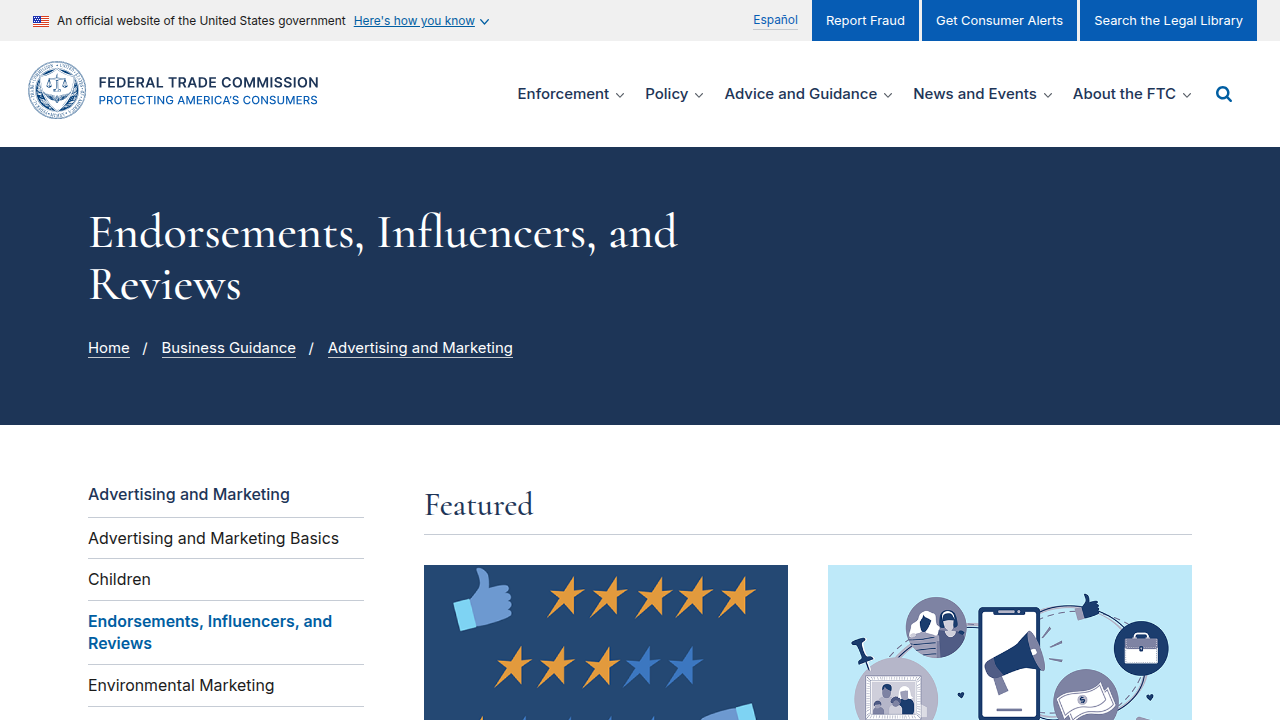
A simple "#ad" or "Paid partnership" in your pin description keeps you compliant and trustworthy.
Using these features strategically helps you build topical authority. When someone sees your well organized boards and helpful, compliant pins, you become their go to guide. To build this strategic approach step by step, the foundation from our simple method to start your online sales career is a perfect place to begin.
The Foundation: Legally Compliant and Strategic Account Setup
Your Pinterest account is your storefront. Setting it up correctly from day one builds trust with your audience and with Pinterest itself. It also keeps you safe from legal trouble. Let’s walk through the three essential steps to lay a strong foundation for your Pinterest affiliate marketing business.
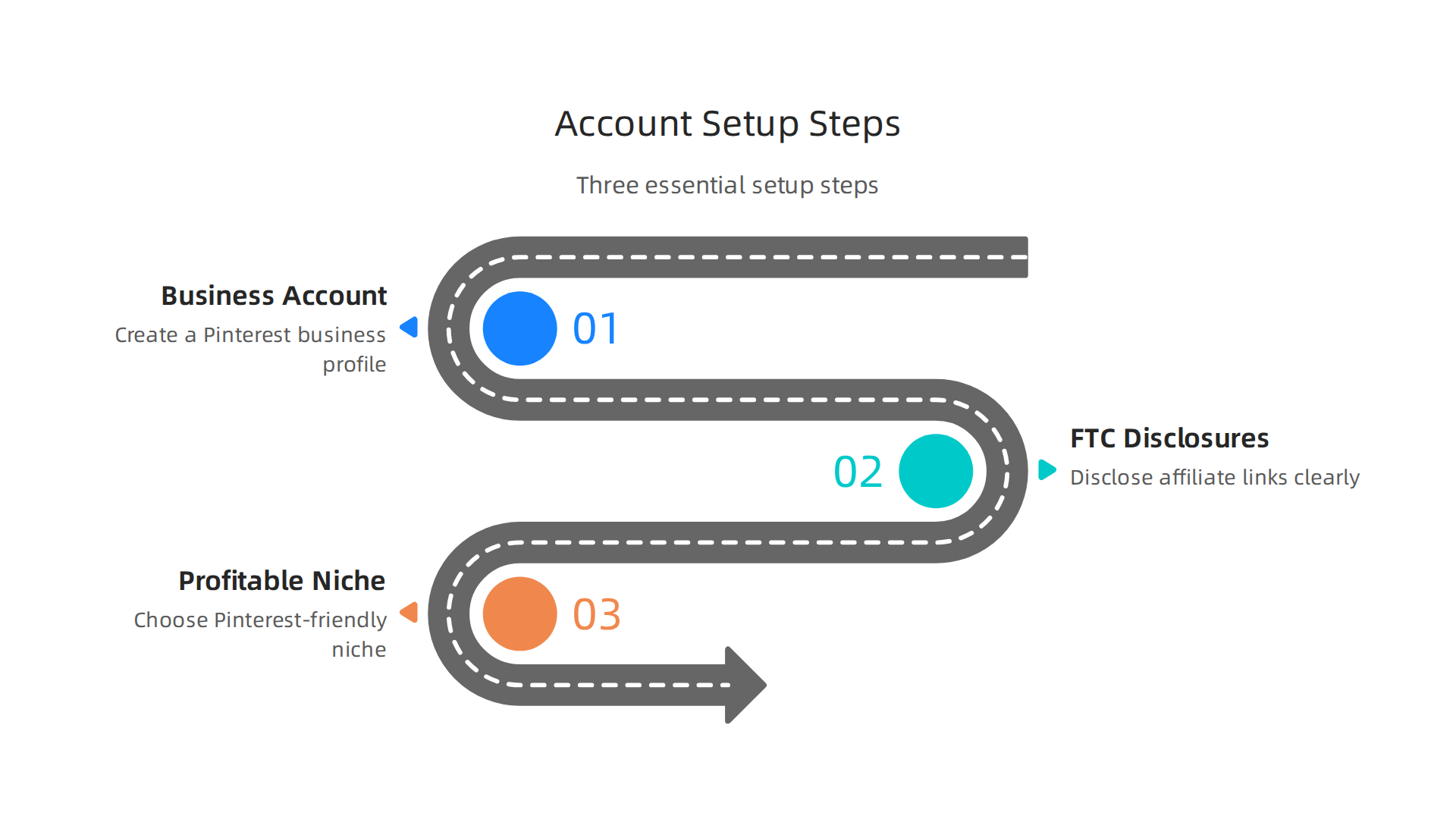
Step 1: Create a Pinterest Business Account (Not a Personal One)
This is non-negotiable. A business account gives you access to analytics, advertising tools, and features like Rich Pins that are vital for affiliate marketing. It’s free and only takes a minute to convert your personal account or create a new one.
- Choose a professional name. Use your brand name or a clear niche identifier (e.g., "Home Office Guide").
- Write a keyword-rich "About" section. Tell people exactly what you help with and who you help. For example: "Helping remote workers find the best gear for a productive home office. Discover ergonomic chairs, powerful laptops, and tools to boost your focus." This tells Pinterest and users what you’re about.
- Claim your website. This is a crucial step that verifies you and enables features like analytics, showing which pins drive traffic to your site.
Step 2: Understand and Implement FTC Disclosures Immediately
This is the most important part of your social media advertising strategy. The law requires you to be transparent. The Federal Trade Commission (FTC) rules apply fully to social media, including Pinterest.
Simply posting a product picture you can earn from without telling people is against the rules. The FTC states you must clearly disclose any "material connection" to a brand, which includes earning affiliate commissions.
Here’s how to comply easily:
- Always include a clear disclosure in your pin description. Use simple language like "#ad," "#affiliate," or "Paid partnership."
- Place it where people can’t miss it. The beginning of your description is best. Don’t bury it at the end after a bunch of hashtags.
- Be consistent. Do this for every single pin that contains an affiliate link. As noted in the FTC’s guidance, the goal is to prevent deception. Clear, upfront disclosures build long-term trust with your audience, which is the real key to sustainable income.
Think of it as being a good guide. You’re showing people great products and being honest about how you’re compensated for the recommendation. For a deeper dive into building an ethical and effective strategy from the ground up, our guide on the simple method to start your online sales career is a great next read.
Step 3: Select a Profitable, Pinterest-Friendly Niche
Your niche is your specialty. It should be something you enjoy, that has a visual appeal, and that offers good affiliate products.
Pinterest users are often in a planning or inspiration-seeking mindset. Tap into that. Great niches for 2026 include:
- Home Organization & Decluttering: People love before-and-after visuals.
- Home Office & Remote Work Setup: A constantly evolving space with new gadgets.
- Sustainable Living & Green Products: Visually appealing and mission-driven.
- Specialty Diets & Kitchen Tools: Think air fryer recipes or gluten-free baking.
- Fitness & Wellness for Beginners: Easy-to-follow routines with recommended gear.
Choose a niche that aligns with the affiliate networks you join. If you want to promote tech, make sure networks like Amazon Associates or ShareASale have those products. This strategic alignment between your content, your audience’s search intent, and available products is what turns inspiration into income. Planning this strategic path is similar to developing a strong career blueprint, much like the approach detailed in our resource on management rights sales.
By following these three steps, you build a Pinterest presence that is primed for success. It’s professional, compliant, and strategically focused, giving your Pinterest affiliate marketing efforts the best possible start.
The Content Engine: Creating Pins That Convert Visitors into Clicks
Now that your account is set up right, it’s time to build the engine. The pins you create are your fuel. A great pin stops the scroll, answers a question, and gets a click. A bad one gets lost forever.
Your social media content strategy on Pinterest needs to be visual, helpful, and strategic. Let’s break down how to build pins that work.
The Anatomy of a Click Worthy Pin
Think of your pin like a mini billboard. Every part has a job.
-
The Visual (The Stopper): This is the most important part. Use bright, clear, high quality images or videos. Pinterest itself recommends using a 2:3 aspect ratio, which is 1000 pixels wide by 1500 pixels tall, for the best display in feeds. For product pins, show the item in use. For a guide, show a stunning result. The goal is instant "I want that" or "I need to know how."
-
The Title & Text Overlay (The Clarifier): Many users turn off sound. Adding clear text on your image tells them exactly what they’ll get. Use a large, easy to read font. Ask a question ("Tired of a messy desk?") or state a benefit ("5 Tools to Organize Your Home Office").
-
The Description (The Persuader): This is your chance to use Pinterest SEO and make your case. Include your main keyword naturally in the first sentence. Then, write a mini blog post introduction. Explain the problem and hint at the solution you’re linking to. Always end with a clear call to action like "Click to shop" or "Get the full guide." According to Pinterest’s own social media advertising best practices, a strong CTA encourages users to take the next step.
-
The Link (The Goal): This is your affiliate link, properly disclosed with "#ad" or "#affiliate" at the start of your description. Make sure it goes to the correct product or your detailed article.
A Simple Data Backed Design Strategy
You don’t have to guess what works. You can test it. The 2025 Pinterest Marketing Benchmark Report from Tailwind, which studied over a million pins, gives us clues on what can go viral.
- Test Static vs. Video: Video pins often get more engagement. Try turning a step by step tutorial into a short, looping video. But also test powerful static images. See what your specific audience prefers.
- Use Colors That Pop: Stand out in the feed. If your niche is calm wellness, use soothing blues and greens. If it’s energetic fitness, use bright, bold colors.
- Try Different Formats: Idea pins (now called Pinterest TV), carousels with multiple images, and standard pins all work for different goals. A carousel is great for showing "5 Ways to Use a Product."
Batch Creation and Scheduling: Your Time Machine
The biggest secret to consistent traffic? You don’t post every day. You plan ahead.
Pinterest favors fresh, consistent activity. As noted in industry guides, it’s better to pin a similar number of times per day than to pin a ton at once. Spreading out your activity is key.
Here is a simple plan:
- Dedicate a "Power Hour": One afternoon a month, focus only on creating pins. Use a free tool like Canva to make 20-30 pin images for your next few blog posts or favorite products.
- Write All Your Descriptions: In a document, write the SEO friendly description for each pin. Include your keyword, CTA, and disclosure.
- Schedule Them All: Use Pinterest’s free native scheduler or another tool. Spread your pins out over the next 30 days. This way, your profile is always active, driving traffic even when you’re sleeping.
This batch method turns Pinterest affiliate marketing from a daily chore into a smooth, automated traffic system. It frees you up to focus on other tasks, like writing great content or exploring new affiliate opportunities. Developing this kind of efficient, repeatable system is a core skill for any online career, much like mastering the art of the business proposal for sales jobs.
By mastering these three areas, your pin becomes more than just a picture. It becomes a reliable engine that drives interested visitors directly to your offers, day after day.
The Traffic System: SEO and Pinterest Analytics for Sustainable Growth
You have an engine with great fuel. That is a fantastic start. But to go from occasional traffic to a reliable, growing stream, you need a smart navigation system. This is where Pinterest affiliate marketing moves from being an art to a science. The goal is not just to post pins, but to understand why some pins soar and others sink, then use that knowledge to build a self improving traffic machine.
Think of it this way. You are not just a pin creator. You are a strategist using data to make better decisions. This skill of analyzing and optimizing a system is incredibly valuable, much like the strategic planning needed for a successful online sales career.
Mastering Pinterest SEO: Speak the Search Language
Pinterest is not just social media. It is a visual search engine. People type in questions like "small home office ideas" or "best running shoes for beginners." Your job is to make sure your pins answer those questions.
The Pinterest algorithm in 2026 works by matching a user’s search intent with the most relevant, high quality pins. To win, you need to speak its language through keywords.
Here is a simple SEO action plan:
- Find Your Keywords: Use free tools like Pinterest’s own search bar. Start typing your main topic and see what phrases Pinterest suggests. These are gold. For a broader view, you can use a free keyword research tool. Look for phrases with good search volume but lower competition.
- Optimize Everywhere: Place your main keyword naturally in these three places:
- Pin Title: The first thing people read.
- Pin Description: Use it in the first sentence, and a few times throughout naturally.
- Board Names and Descriptions: Group your pins on boards with clear, keyword rich names like "Home Organization Hacks" instead of just "My Stuff."
- Think About Quality Signals: SEO is not just keywords. As highlighted in the Ultimate Pinterest SEO Checklist for 2026, factors like your website’s domain quality, pin image clarity, and overall account authority also influence your rankings. This means linking to reputable, helpful content on your site is a long term SEO win.
Interpreting Pinterest Analytics: Your Performance Dashboard
Once you start pinning, data becomes your best friend. Pinterest Analytics (free in your business account) shows you what is working.
Do not get overwhelmed. Focus on these three metrics:
- Impressions: How many times your pin was seen. High impressions mean good visibility.
- Saves: The number of people who saved your pin to their board. This is a powerful signal to Pinterest that your content is valuable.
- Outbound Clicks: The most important number for affiliate marketing. This is how many people actually clicked through to your website.
Your mission is simple. Find the pins with high outbound clicks and saves. Ask yourself: What was the title? What did the image look like? What keyword did I use? Then, make more pins just like that.
Building the Traffic Loop: Connect Pinterest to Your Site
This is the secret to sustainable growth. You create a loop between Pinterest and your website.
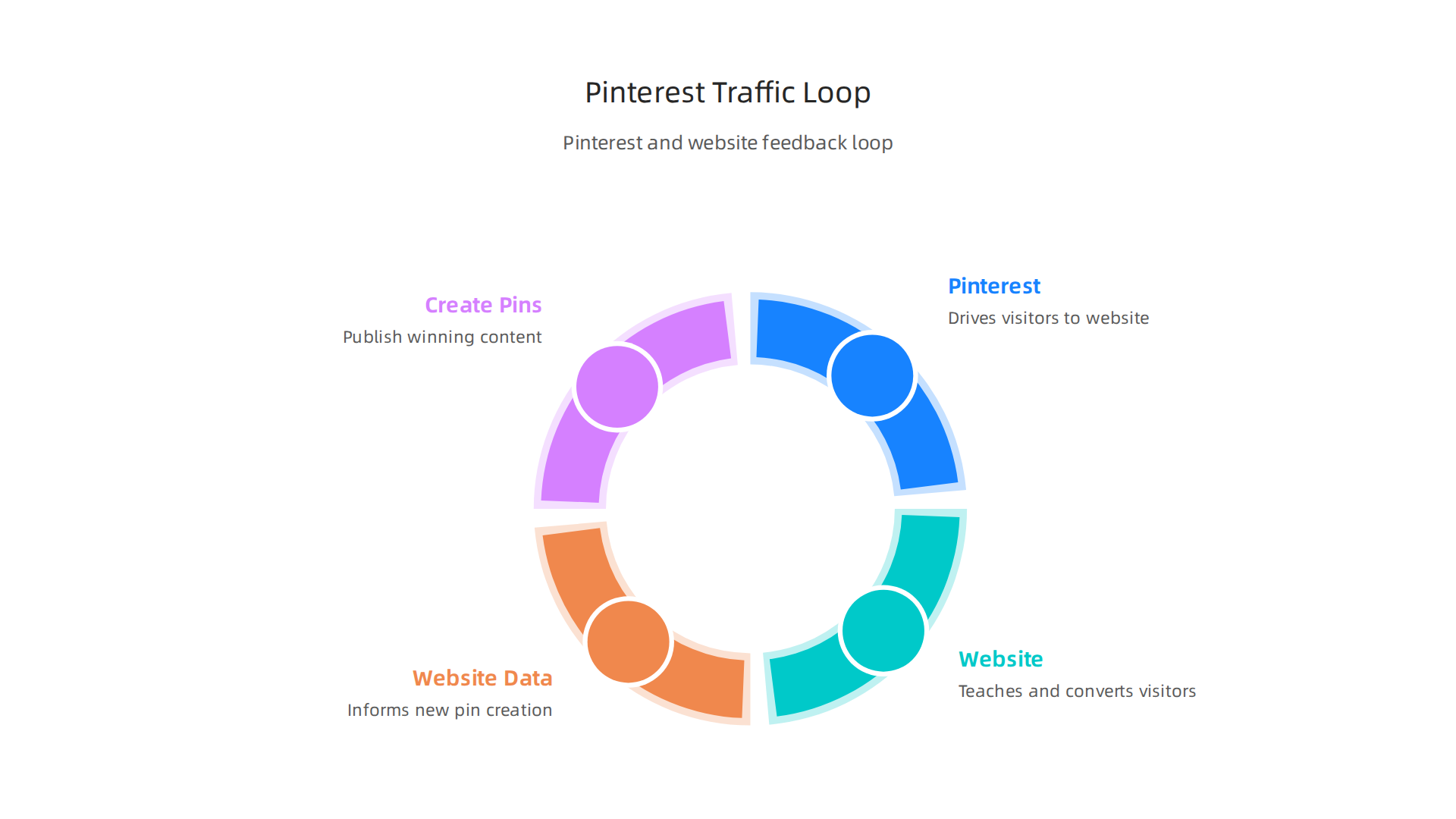
Step 1: Pinterest Drives Visitors
Your optimized pin gets clicked. A visitor lands on your helpful blog post or product review page.
Step 2: Your Website Teaches and Converts
Your website content does its job. It solves the problem, offers genuine advice, and includes your trusted affiliate links.
Step 3: Website Data Informs New Pins
Now, check your website analytics (like Google Analytics). See which pages from Pinterest are getting the most time spent or leading to affiliate clicks. Those are your winner topics.
Step 4: Create More Winning Content
Make new pins for those top performing pages. You can even update and re pin your existing successful pins with fresh images. This tells Pinterest, "My audience loves this. Show it to more people like them."
This loop turns a one time click into a cycle of learning and growth. You are not guessing. You are using clear data from both Pinterest and your site to double down on what works. This systematic approach to building a valuable traffic asset is a form of digital management rights, giving you control and insight over your income stream.
By combining smart Pinterest SEO with careful analysis of your Pinterest Analytics, you build more than traffic. You build a predictable, scalable system for your affiliate marketing business. You stop working harder and start working smarter, letting the data guide you to more clicks, more sales, and more growth.
From Clicks to Commissions: Optimizing Your Affiliate Funnel
Getting clicks from Pinterest is a fantastic win. But your real goal is to turn those visitors into paying customers for your affiliate partners. This step is where your Pinterest affiliate marketing strategy becomes a real business. It is about building a smooth path, or funnel, that guides a curious pinner all the way to a purchase.
You need to think about three things: what you are selling, where you are sending people, and how you are measuring success.
1. Choosing the Right Affiliate Products for Pinterest
Not all products are a perfect fit for the Pinterest audience. People on Pinterest are often in a planning, dreaming, or problem solving mode. Your affiliate selections should match that mindset.
-
Impulse vs. Considered Purchases: Pinterest shines for "considered purchases." These are things people research before buying, like a new blender, a cozy living room sofa, or a complete skincare routine. They are not typically buying a candy bar on impulse. Focus on affiliate programs for products that inspire, solve a problem, or are part of a larger project. As one guide notes, Pinterest affiliate marketing lets you pin and market products from different companies to earn a commission, so choose companies with products that fit this visual, inspirational platform.
-
Align with Audience Intent: Remember your SEO work? The keywords people search for tell you what they want. If you get traffic for "easy weeknight dinners," your affiliate links should be for kitchen gadgets or specific grocery services, not unrelated electronics.
Choosing strategically is a key part of managing a successful online business, similar to the approach needed for a structured management rights sales career.
2. Creating Your Conversion Hub: The Landing Page Strategy
Where your pin link sends people is crucial. You have two main choices, and the best one depends on your goal.
-
The "Link in Bio" Landing Page: This is a single page on your website that acts as a helpful hub. For example, if you have a pin about "10 Home Office Must Haves," your landing page would list all 10 items with short reviews and your affiliate links. This is great because it keeps the user on your site, builds your authority, and lets you link to multiple affiliate offers from one pin. It is the recommended best practice.
-
Direct Linking to the Merchant: This means your pin link goes straight to the product page on Amazon, Target, or another store. While simpler, it often leads to lower conversion rates. The user is thrown into a busy store without your guidance. Data shows that content which educates first converts better. For instance, shopping ads on Pinterest deliver 3x higher conversion and sales because they are integrated into the inspirational experience. Your landing page replicates that by being the helpful step before the store.
Your website is your trusted space. Use it to teach, compare, and honestly recommend. Then, provide a clear affiliate link as the logical next step.
3. Tracking What Actually Makes You Money
To grow, you need to know what is working. Clicks are nice, but commissions pay the bills. Here are the two most important metrics to track:
-
Conversion Rate (CR): This is the percentage of people who click your link and then actually make a purchase. If 100 people click and 2 buy, your conversion rate is 2%. This is a critical health metric for your funnel. According to industry analysis, the average ecommerce conversion rate from Pinterest traffic can be around 1-2%. Understanding this helps you set realistic expectations for traffic and sales.
-
Earnings Per Click (EPC): This tells you how much money, on average, you earn for every single click you send to an affiliate partner. It is a powerful number that combines your conversion rate and the commission value. A high EPC means your audience loves what you are recommending.
How do you track this? Start with free tools. Most major affiliate networks (like Amazon Associates, ShareASale, or Impact) provide dashboards that show your clicks, conversions, and earnings. Pair this with Pinterest Analytics to see which pins are driving the traffic.
In 2026, being data driven is not optional. By tracking these metrics, you stop guessing.

You can see that your "Best Yoga Mats" pin has a high EPC, while your "Workout Gear" pin does not. This tells you exactly where to focus your energy. This level of analysis and optimization is what turns a side hustle into a serious online sales career. You learn to double down on what works, making your entire social media content strategy more efficient and profitable.
Focus on these three areas choose products wisely, guide visitors with helpful landing pages, and relentlessly track your conversion and earnings data. This is how you build a reliable affiliate funnel that turns your Pinterest traffic into a steady stream of commissions.
Scaling and Professionalization: Turning a Strategy into a Sales Skill
You have a system. It gets clicks and makes sales. That is a huge win. Now, how do you turn that win into a steady, growing income? You scale. Scaling means working smarter, not just harder. It is about turning your Pinterest affiliate marketing efforts from a project into a professional skill set.

How to Scale Your Content Smartly
Trying to create every single pin from scratch will burn you out. In 2026, successful affiliates use systems.
- Create Pin Templates: Design a few clean, branded templates for your pins in a tool like Canva. Have templates for product reviews, "how-to" guides, and list posts. This cuts your creation time in half and keeps your look consistent.
- Batch Your Work: Instead of making one pin a day, set aside one afternoon to create 20 pins for the next two weeks. This focused work is far more efficient.
- Outsource When It Pays: Once you see steady earnings, consider hiring a virtual assistant for a few hours a week to help with pin creation or scheduling. This frees you up to focus on strategy and finding new affiliate offers.
- Ride Seasonal Trends: Plan your content around holidays, seasons, and major events. Back-to-school, winter holidays, and summer planning are golden times for social media advertising on Pinterest. A guide on mastering the platform suggests that keeping up with Pinterest trends is key to growing sales in 2026.
A systematic approach is crucial. As one 2026 guide notes, a solid scaling plan includes a consistent posting schedule, such as pinning 15-25 times daily with a mix of affiliate and inspirational content.
The Pitfalls That Stop Growth
As you grow, watch out for these common mistakes that can derail your progress.
- Being Inauthentic: Your audience follows you for your honest taste and advice. Promoting products just for a high commission, even if you do not like them, will break their trust. Always be genuine.
- Inconsistency: Pinterest rewards regular activity. Disappearing for weeks hurts your traffic. Use a scheduler like Tailwind to keep your pins flowing even when you are busy.
- Ignoring Your Data: This is the biggest one. You tracked your conversion rate and earnings per click. If you ignore what the numbers tell you, you will waste time. Stop creating content that does not convert. Double down on what works.
How This Builds a High Value Sales Career
Here is the powerful part. Running a scaled affiliate marketing operation on Pinterest is not just a side hustle. It is hands on training for a lucrative online sales career. You are already building the exact skills companies want.
- Data Analysis: You are learning to read analytics, track conversions, and make decisions based on numbers, not guesses.
- Content Marketing: You are mastering how to create content that attracts an audience and guides them toward a purchase. This is the core of modern social media content strategy.
- Funnel Optimization: You understand how to take a stranger (a Pinterest user), turn them into a visitor, and guide them to become a customer. This is the entire sales process.
This experience is incredibly valuable. You can translate it directly into a role in remote sales, digital marketing, or e commerce. It proves you can drive results. When applying for these jobs, you can point to your Pinterest metrics as real world proof of your skills. You can even use a professional business proposal template to formally present this experience to potential clients or employers.
Scaling your Pinterest affiliate work is how you move from earning occasional commissions to building a professional, repeatable process. You stop just "posting pins" and start running a small media and sales channel. That is the skill set that builds not just side income, but a full, flexible career in the world of online sales.
Summary
This article explains why Pinterest is an underused but highly effective channel for affiliate marketing and building an online sales career. It covers Pinterest’s search-driven audience and features (Product Pins, Idea Pins, Rich Pins), explains how to set up a legally compliant business account, and shows how to choose niches that convert. You’ll learn how to design high-performing pins, apply Pinterest SEO, batch and schedule content, and turn clicks into commissions via smart landing pages. The guide also explains which analytics to track (impressions, saves, outbound clicks, conversion rate, EPC) and how to scale responsibly without losing trust. By following these steps you can build a sustainable, data-driven affiliate funnel and develop transferable sales and marketing skills.