

Land Real Remote Sales Jobs in 2026 Without Getting Scammed
Overview
The remote sales job market is booming in 2026.

According to the FlexJobs Remote Work Index, sales and business development roles posted remotely grew by an incredible 40% in Q1 2026 alone. That is exciting news if you want to work from home.
But here is the thing. Competition for these top spots is fierce. As Robert Half reports, only about 4% of new job postings in 2026 are fully remote. This scarcity means that every strong vacancy gets flooded with applicants. It also creates a perfect environment for scammers looking to take advantage of eager job seekers.
If you are searching for remote jobs on indeed jobs right now, you already know the struggle. You type in a search and get a ton of results, but telling a real opportunity from thin air takes a lot of work. You need a smarter job search indeed jobs strategy to find the hidden gems. You can start by looking at how the top job boards compare to focus your efforts better.
That is exactly why we put this guide together. We want to help you filter out the noise and focus only on legitimate opportunities.
Let us get started.
The Booming Online Sales Job Market: Key Statistics
Let us dive into the data. You might feel like every good vacancy gets flooded with applicants. And you are right to feel that way. But the data also shows a massive opportunity specifically for online sales.
The FlexJobs Remote Work Index found that fully remote roles in sales and business development jumped by 40% in Q1 2026.
That is huge. Companies are actively creating more remote jobs in this field.
So why is it still so hard to get hired? Because total supply is tight. Robert Half reports that only 4% of new job postings in 2026 are fully remote. On top of that, KORE1 data shows that only 27% of companies are fully remote, while Gallup says that about one-third of workers prefer full-time remote work. There are more people chasing fewer spots.
This is why a basic job search indeed jobs strategy does not cut it anymore. The key is to target the right industries. SaaS, e-commerce, and digital marketing are driving most of this sales hiring. These companies understand remote work and actively recruit for it. If you rely solely on a general search on indeed jobs, you might miss the best opportunities. You need to know where to look to find a real vacancy that fits your skills. To improve your search strategy, take a look at our breakdown of the top platforms for sales seekers. It will help you focus your time on the sites that actually deliver results.
Types of Online Sales Roles to Target
So you know the market is hot but tough. Now comes the big question: what kind of online sales role should you actually chase? It is easy to get lost when you type a general vacancy keyword into sites like indeed jobs. You end up seeing a jumble of titles and you are not sure which one fits.
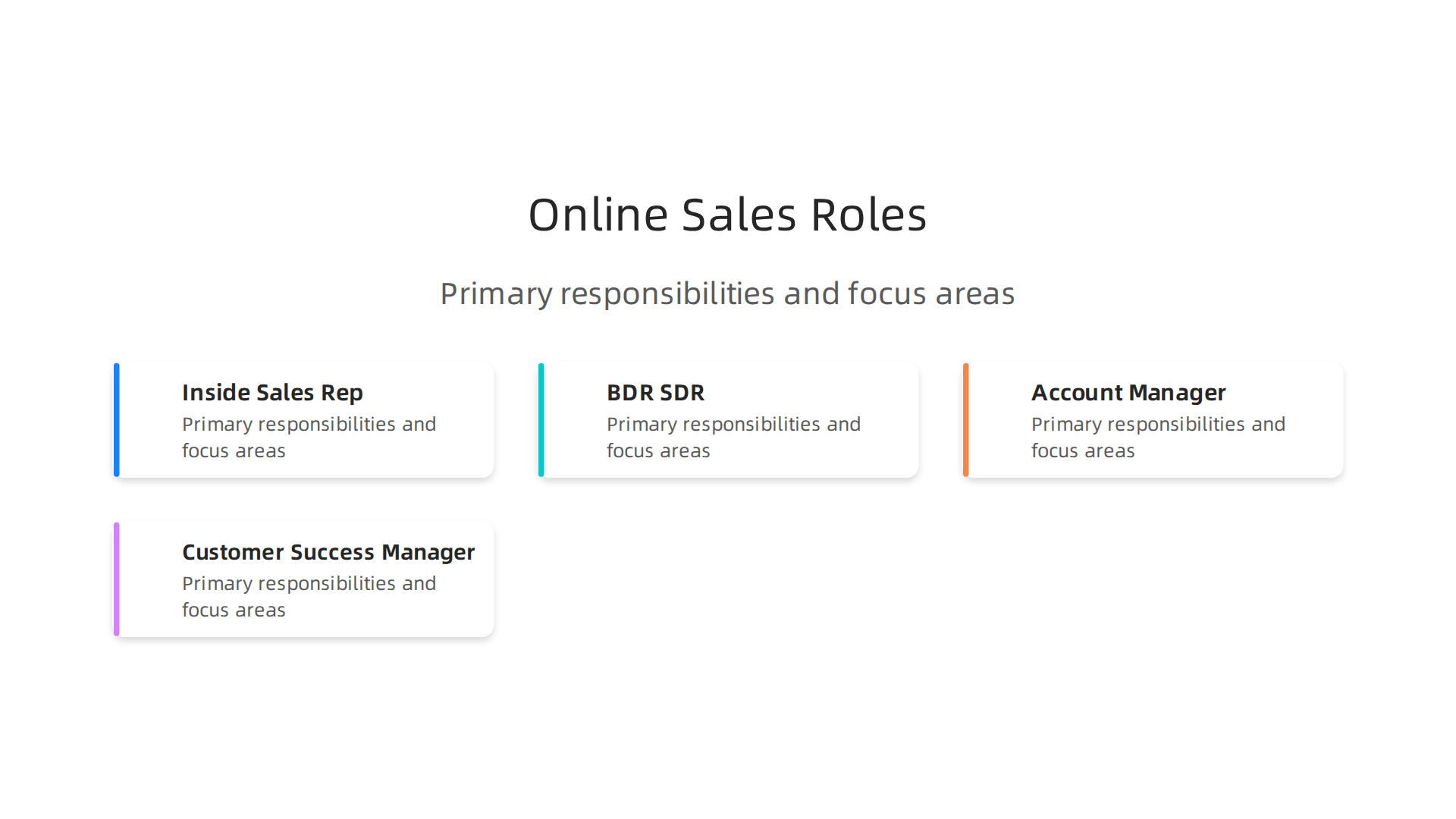
Here is the thing. Not all online sales roles are the same. They each have different daily tasks, different pay structures, and different skill requirements. Knowing the difference helps you focus your job search indeed jobs on the right target.
Let me break down the main types you will find in the market.
Inside Sales Representative
This is the classic remote sales role. You work from home, make calls, send emails, and do video demos. You do not travel to meet clients. Most inside sales roles come with a base salary plus commission. You need strong communication skills and the ability to build trust over the phone or screen.
Business Development Representative (BDR) or Sales Development Representative (SDR)
This is often the entry point for many people into remote jobs. BDRs and SDRs focus on the top of the funnel. Your job is to find new leads, qualify them, and set up meetings for the closers. It is a numbers game with a lot of prospecting. The pay usually has a lower base but high commission potential if you can generate solid leads. According to Apollo’s research on essential sales skills, a big part of success here is combining AI fluency with relational empathy to connect with prospects faster.
Account Manager
This role is less about hunting and more about farming. You take care of existing customers. You make sure they are happy, you upsell them on new features, and you renew their contracts. Account management requires strong relationship skills and business acumen. The pay often includes a base salary with a bonus tied to retention and growth.
Customer Success Manager
This is a related role that focuses on helping customers get value from a product. You are not really selling in the traditional sense, but your work directly leads to renewals and referrals. Many companies now blend customer success with sales tasks.
Each type has a different focus. For example, if you are looking for a true vacancy in B2B tech, roles like BDR and SDR are your best bet. If you want a more stable income with less cold calling, inside sales or account management might be better. To really understand how B2B sales work in a remote setting, check out our guide on building a remote sales career in B2B. It will help you see which path matches your strengths.
Spend some time figuring out which style suits you. That will make your job search indeed jobs much smarter.
Where to Find Genuine Vacancies
Now that you know the type of role you want, the next logical question is where to look. You will find no shortage of job boards out there, but not all of them are great for finding real, high-quality opportunities. The trick is knowing which platforms give you the best shot at a legitimate vacancy without wasting time on spam.
You basically have two categories to choose from: general job boards and niche job boards. Both can work, but they serve different purposes.
General job boards: the big pools
Sites like LinkedIn and Indeed jobs are the giants of the job search world. They have huge volumes of listings, which is both a blessing and a curse. You will find many remote jobs on them, but you also have to filter through a lot of noise. According to a guide on building a remote sales career in 2026, LinkedIn, DailyRemote, and the company career pages of remote-first organizations are among the top platforms for finding quality leads. In fact, a 2026 report from FastApply specifically mentions LinkedIn and We Work Remotely as key players for remote roles.
The advantage of these general boards is sheer volume. The disadvantage is that you may see the same low-quality or even fake listings over and over. If you use them, make sure you apply filters for remote and for sales specific terms. You can also dig deeper into how Indeed, ZipRecruiter, and other general boards stack up against each other in a direct comparison guide to avoid common pitfalls.
Niche job boards: the targeted approach
If you want to cut through the clutter, niche platforms are your best friend. These sites are built specifically for remote work, so every listing is already relevant. For example, We Work Remotely is often called one of the most popular remote job boards in the world.
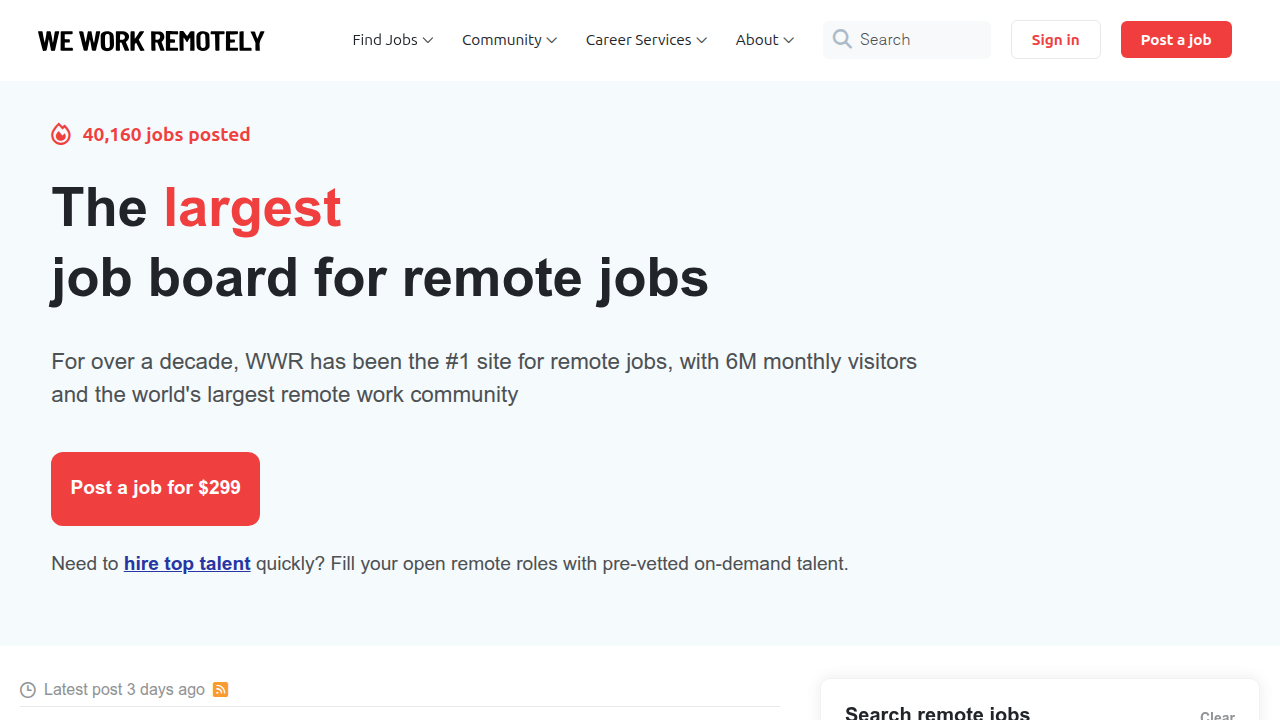
It focuses entirely on remote positions, and it is a great place to find a sales vacancy that is genuinely remote.
For sales specifically, you have options like SalesJobs.com and TechSalesJobs.com.

These sites are made for the industry, so you will see roles that match your skills more closely. The Flockjay guide to the best sales recruiting sites also highlights platforms like SalesHeads and Rainmakers as excellent sources for sales specific roles.
The best strategy for your job search indeed jobs
My advice is to use both types. Start with niche boards like We Work Remotely and SalesJobs.com because they save you time. Then supplement your search with general boards like LinkedIn, using strong filters. This hybrid approach gives you the best of both worlds.
If you are serious about finding a listing quickly, focus your energy on the specialized sites first. They have higher signal and less noise. And remember, always check the company’s career page directly before applying to verify it is real.
Top Job Boards for Remote Sales
Let me break down the specific platforms that work best for finding your next sales vacancy.
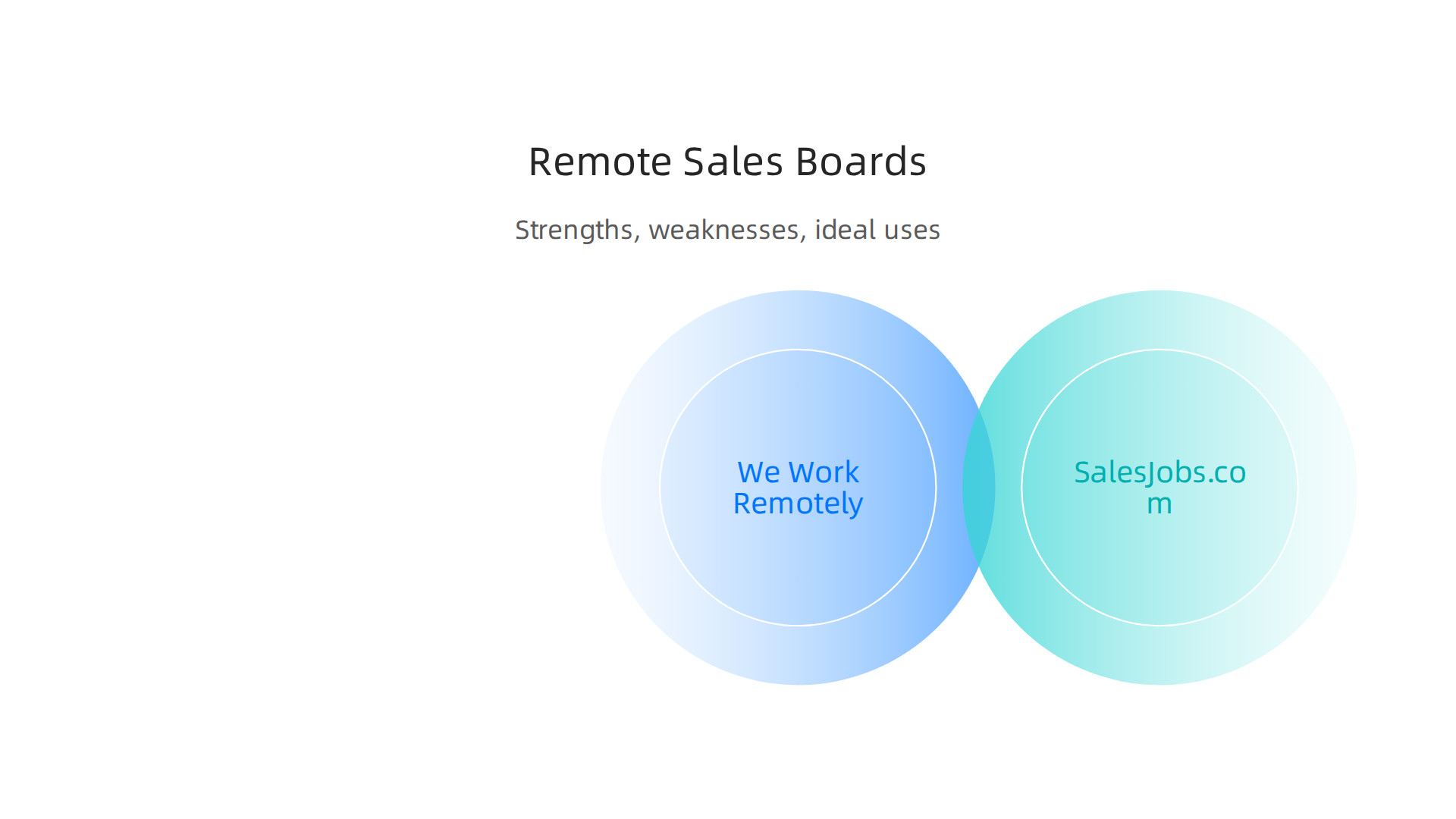
I have tested these myself and seen which ones consistently deliver real opportunities rather than dead ends.
| Job Board | Best For | Pros | Cons |
|---|---|---|---|
| We Work Remotely | General remote sales roles | Huge variety, trusted source, large community | High competition for listings |
| SalesJobs.com | Dedicated sales positions | Every listing is sales specific, less noise | Smaller volume than general boards |
| Networking plus listings | See who posted the job, easy to research companies | Lots of spam if you do not filter carefully | |
| Wellfound (AngelList) | Startup sales roles | Direct access to founders, many early stage roles | Mostly startups, fewer established companies |
| TechSalesJobs.com | SaaS and tech sales | Highly targeted for software sales | Niche, may not fit non tech roles |
We Work Remotely is widely considered one of the most popular remote job boards in the world. According to a 2026 guide from Plane, it is a top pick for remote workers across all industries. The pros are clear: you get a massive pool of genuine remote jobs. The downside? Because everyone knows about it, you face stiff competition. If you apply here, make your application stand out with specific numbers.
SalesJobs.com and TechSalesJobs.com are your go to options if you want only sales roles. The Flockjay guide to the best sales recruiting sites puts both of these high on the list. The advantage is that you skip the unrelated listings entirely. Every vacancy you see is actually in sales. The trade off is fewer total listings compared to bigger boards. But for your job search, quality beats quantity every time.
LinkedIn remains a powerhouse in 2026.
A FastApply report highlights LinkedIn as one of the top platforms for remote jobs. The real strength here is the ability to research the hiring manager, the company culture, and recent news before you apply. Just make sure you use the remote filter and the industry filter for sales. Otherwise, your Indeed jobs experience might feel overwhelming.
Wellfound (formerly AngelList) is excellent if you want to join a startup. The Close.com guide to remote sales jobs in 2026 recommends it for startup focused sales roles. You get direct access to founders, which cuts through the typical HR gatekeeping. Just know that startup pay often includes equity, so you need to be comfortable with some risk.
The smart strategy
Do not rely on just one board. Use a mix. Start with SalesJobs.com for pure sales vacancies. Then check We Work Remotely for broader remote opportunities. Use LinkedIn to research companies you find elsewhere. If you want a deeper look at how these platforms compare, check out this comparison guide on which job board is best for online sales. That guide breaks down the differences between Indeed, ZipRecruiter, and CareerBuilder specifically.
The key takeaway is simple. Pick two or three boards from this list. Spend your time there. You will find more real opportunities and waste less time on noise.
Red Flags: How to Spot Scams
Here is the hard truth. Scammers know you are looking for a sales vacancy.

They use the same job boards you do, including Indeed jobs and other remote job sites. In fact, reports to the FTC about job scams have tripled from 2020 to 2024. That is a huge jump. And American consumers lost a staggering $501 million to job and business opportunity scams during that four year period according to a Rutgers IT alert. So you need to know what to look for.

Common scam patterns
The first big red flag is upfront payment demands. No legitimate employer asks you to pay for training, a background check, or equipment. The FTC warns that scammers often ask for money through gift cards, wire transfers, or cryptocurrency. Once you send it, the money is gone and so is the job.
Another warning sign is unrealistic promises. If a job offer guarantees you will earn six figures in your first month with no experience, that is a scam. Real remote sales jobs take time to build. The FTC has a full guide on how to avoid job scams that explains this pattern in detail.
Vague job descriptions are also a problem. If the posting says almost nothing about the actual role, the company, or the product you would sell, be suspicious. A real sales vacancy describes the responsibilities, the commission structure, and the team you would join.
Your verification checklist
Before you engage with any opportunity, take these steps:
-
Check the company website. Look for a real About Us page, contact information, and team photos. If the site looks thin or has typos, that is a warning.
-
Look for reviews. Search for the company name plus words like scam, review, or complaint. You can also check Glassdoor and other employer review sites.
-
Verify on LinkedIn. Look for current employees. See if the company has an actual presence with real people posting content.
-
Trust your gut. If something feels off, it probably is. The FTC Consumer Advice on job scams recommends listening to that feeling.
One smart tip is to learn how to uncover legitimate remote sales jobs that are actually worth your time. That guide walks you through the exact verification process you need.
The bottom line is simple. Job scams are everywhere in 2026. But if you know what to watch for, you can skip the traps and focus on real opportunities.
Common Scam Patterns
Let us walk through the specific scam patterns you will see in 2026. Knowing these details helps you spot trouble fast.
Here is one new pattern you might not know about yet. The FTC is hearing about a text scam where fake recruiters send job offers directly to your phone. They act like real employers, but their goal is to steal your money. The FTC Consumer Advice on text scams explains that these scammers often ask for personal information or upfront payments.
Another common pattern involves fake job interviews. You apply for a vacancy on a site like Indeed jobs, and the scammer sets up a video interview. The interview feels real. But afterward, they send you a check for "equipment" and ask you to send some money back. The check bounces later, and you are out the cash. The FTC has a full guide on how to avoid job scams that covers this exact trick.
Money laundering is another one. Scammers hire you for a legitimate sounding remote job like a shipping coordinator. They send you packages to reship. What you are really doing is moving stolen goods. You can find more details on the FTC page about job scams.
Here is the thing. All of these patterns share a few common signs. The pay seems too high for the work. The communication is fast and pushy. And the company has almost no online footprint. If you want to learn how to verify opportunities before you apply, check out our guide on uncovering legitimate remote sales jobs. It gives you a simple checklist you can use.
Optimizing Your Resume and LinkedIn for Online Sales
Now you know the scams to avoid. Let us focus on what actually works. The next step is making sure your application stands out to real employers.
You do not want to waste time on a vacancy that leads nowhere. A strong resume and LinkedIn profile help you attract the right remote jobs.
Tailor Your Resume for Remote Sales
A generic resume will not cut it in 2026. Hiring managers for online sales roles look for specific signs. You need to show you can work independently and hit targets from home.
Start with an ATS-friendly format. ATS means applicant tracking system. It is the software companies use to scan resumes. According to a guide on the best resume format for remote jobs in 2026, you should use a clean layout with standard fonts and clear section headers. Avoid columns or graphics that confuse the software.
Next, highlight your sales achievements. Do not just list duties. Use numbers. For example, instead of saying "managed accounts", say "increased sales by 30% in six months". The BeamJobs guide to sales resume examples shows that quantifiable results grab attention.
Also, emphasize remote work skills. Mention tools like Zoom, CRM software, and Slack. If you have experience working from home, say it clearly. The Indeed remote work resume sample recommends including a "remote experience" section if you have it.
Optimize Your LinkedIn Profile
Your LinkedIn profile is often the first thing a recruiter sees after you apply for a vacancy on Indeed jobs. Make it work for you.
Your headline should be more than just your job title. Include keywords like "remote sales professional" or "B2B sales specialist". This helps you appear in search results when recruiters look for candidates on LinkedIn.
Write a strong summary. This is your chance to tell your story. Keep it short. Focus on your sales results and your interest in remote work. Use keywords naturally. If you specialize in SaaS sales, say that.
Add a profile photo. It does not need to be professional, but it should be clear and friendly. People connect with faces.
Finally, ask for recommendations. A short note from a past manager or client builds trust. It shows you deliver results.
If you want to compare job boards for your search, check out our guide on which online sales job board is best: Indeed, ZipRecruiter, or CareerBuilder. It will help you pick the right platform for your next move.
Understanding Commission and Compensation Structures
Let’s be honest: commission structures can feel confusing at first. But understanding how you get paid is one of the most important steps before you apply for any sales vacancy. The good news is that most models fall into a few clear types, and once you know them, you can choose the right fit for your life.
Common Compensation Models
Most online sales roles use one of three main structures.
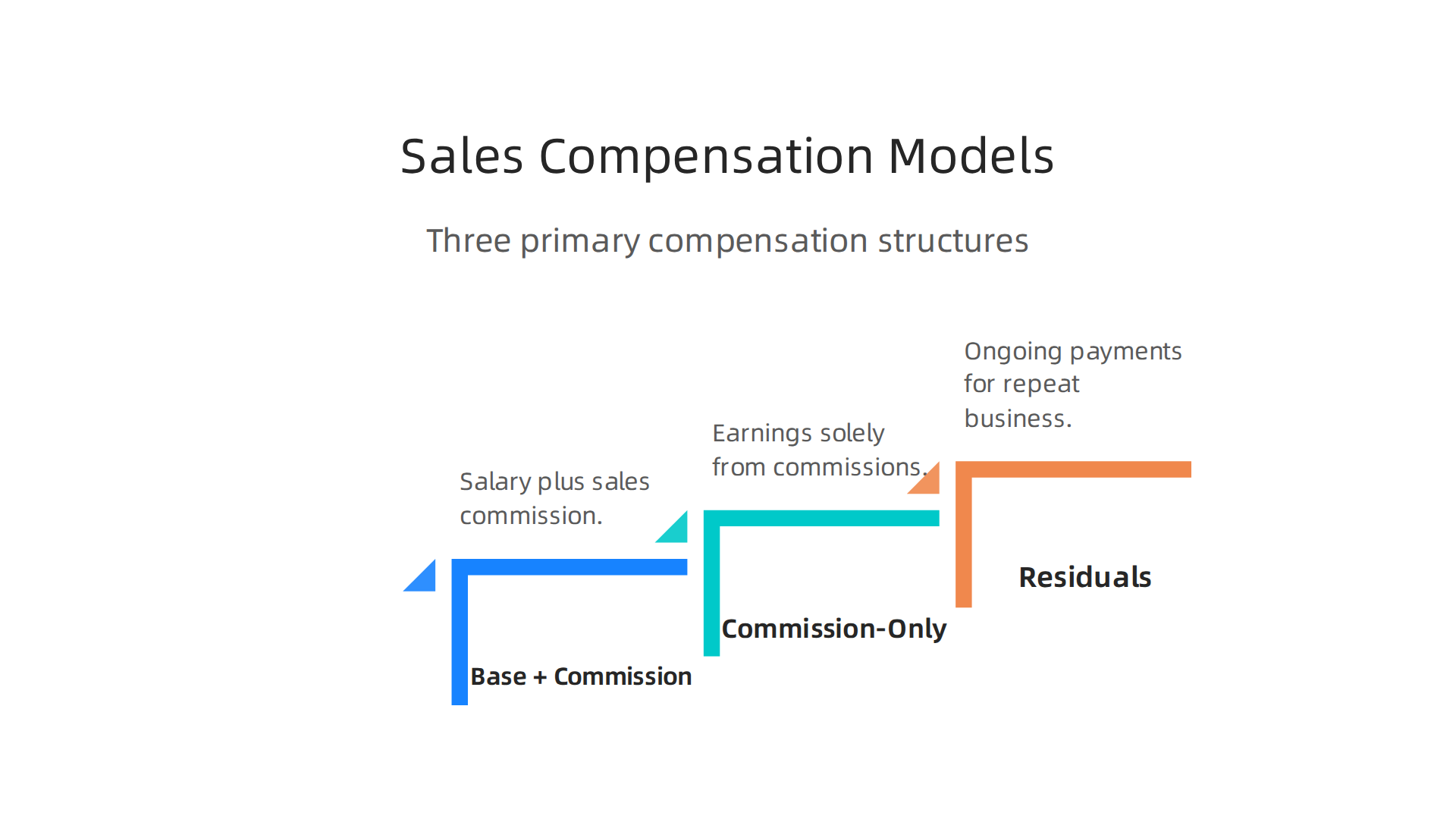
Base + Commission: This is the most common setup. You receive a steady base salary plus extra pay when you close deals. Many salespeople prefer this because it offers stability while still rewarding performance. According to a 2026 guide by Qobra, tiered commission structures are popular here: you might earn 5% on your first $100,000 in sales and 7% on the next $100,000. That means your income grows as you improve.
Commission-Only: In this model, you earn nothing unless you make a sale. It sounds risky, and it can be. But for driven salespeople, the upside is huge. Commission rates vary widely by industry. As Apollo.io reports, average sales commission rates range from 5% to 15%, with SaaS commissions reaching about 12% due to the complexity of those deals. If you are searching for remote jobs on job boards or scrolling through indeed jobs, you will see many commission-only postings that boast high earning potential.
Residuals: Some sales roles, especially in insurance, finance, or subscription services, pay residuals. That means you earn a small ongoing commission every time a customer renews. This model can build serious long-term income if you build a strong client base.
Income Potential Varies by Industry and Experience
Here is the thing: your earning potential depends heavily on where you work and how much experience you have. A report from Everstage shows that sales compensation trends in 2026 vary significantly across industries. SaaS sales representatives, for example, often earn between 10% and 12% of the annual contract value for each deal they close, according to Incentivate. That means a single deal worth $50,000 could net you $5,000 to $6,000.
For those just starting out, entry-level roles usually offer lower commission rates but provide valuable training. As you gain experience, you can negotiate higher rates or move into roles with bigger earning ceilings. If you want to compare opportunities, checking a job search indeed jobs platform can help you see what different industries offer.
The key takeaway? Look beyond the base pay. The real story is in the commission structure. A role with a lower base but aggressive commissions might pay far more than a high-base, low-commission job if you are good at closing deals. For a deeper look at how to find these roles, our guide on which online sales job board is best can help you narrow down your search.
Your Step-by-Step Action Plan
You now understand how commission structures work. But knowing the theory does not get you hired. You need a clear plan. Here is your action plan for finding the right vacancy.

Step 1: Create a Targeted List of Companies and Roles
Stop scrolling endlessly through every job board. Instead, decide exactly what you want. Do you prefer SaaS sales? Inside sales? Commission-only roles? Write down five to ten companies that match your goals. Then focus your energy there.
When you look at job postings, pay close attention to the commission details. A role with a lower base but aggressive commissions might earn you more in the long run. Use sites like indeed jobs to filter by industry and pay type. A focused job search indeed jobs strategy beats a scattergun approach every time.
Step 2: Set Up Job Alerts and Network Specifically
Most top vacancies never get posted publicly. They get filled through referrals. That is why networking matters. Connect with sales managers on LinkedIn. Join sales-focused groups. Attend virtual industry events.
At the same time, set up job alerts on the platforms you trust. Use keywords like "remote sales" or "commission-based" to catch the right listings early. According to a 2026 guide by BeamJobs, tailoring your resume to each application dramatically improves your chances, especially for sales roles.
Step 3: Track Every Application
Here is a simple trick that most people skip: track everything. Use a spreadsheet or a simple notebook. Write down the company name, the role, the date you applied, and the next step. This keeps you organized and helps you follow up.
When you find a promising vacancy, customize your resume to highlight your sales wins. A strong sales resume should clearly show your deal sizes, commission earned, and closing rate. For more tips on building a standout resume, check out these sales resume examples from Zendesk.
Step 4: Stay Consistent
The job hunt can feel slow some weeks. Stick with it. Set a daily goal: five applications, three networking messages, or one follow-up email. Small, consistent actions add up.
If you need help deciding where to look first, our guide on which online sales job board is best walks you through the top platforms for remote sales.
You have the knowledge. Now take the next step.
Summary
This guide walks job seekers through the crowded but opportunity-rich remote sales market in 2026, explaining why competition is fierce and how to win the best roles. It describes the main remote sales job types (BDR/SDR, inside sales, account management, customer success), where to find legitimate vacancies on general and niche job boards, and which platforms give the highest signal-to-noise ratio. The article also covers common scam patterns and a simple verification checklist to avoid traps, plus concrete tips to optimize your resume and LinkedIn for ATS and recruiters. It explains common commission structures and income expectations, then finishes with a practical, step-by-step job-search plan you can implement immediately.