
Best Medical Sales Training Programs 2026 Your Guide to Choosing the Right One
Overview
Introduction
The healthcare industry keeps growing, and so does the need for skilled sales professionals. If you have ever thought about a career where you can help people while earning a great income, medical device sales might be the perfect fit.

But here is the thing. Getting into this field is not always easy without the right preparation.
Medical sales is a high-growth field with strong demand for trained professionals. The Bureau of Labor Statistics reported steady employment gains across healthcare sectors through early 2026, and industry projections show continued hiring momentum. As hospitals, clinics, and surgical centers expand, they need representatives who understand complex products, speak the language of clinicians, and can build lasting relationships. That is where medical sales training programs come in.
The problem is that the market is flooded with options. A quick online search shows dozens of sales training programs promising fast results, big earnings, and immediate job placement. Some are excellent. Others are a waste of time and money. Choosing the wrong one can set your career back months or even years.
That is why I put this guide together. My goal is simple. Give you a trusted framework to evaluate, compare, and select the best medical sales training programs in 2026. We will look at what makes a program worth your investment, how to spot red flags, and which training paths actually lead to real job offers.
Whether you are new to medical device sales or looking to sharpen your sales training techniques, this guide will help you make a smart decision. Let us start by understanding what the best programs have in common and how to find one that fits your goals. If you are also exploring other online sales paths, check out our guide on B2B sales and building a remote sales career for additional context on the skills that transfer across industries.
Why Medical Sales Training Matters in 2026
You might think your natural sales talent is enough to land a medical device sales job. A few years ago, that might have been true. But the landscape has changed. In 2026, employers are much pickier about who they bring on board.
Here is the reality. Medical devices are more complex than ever. Products involve advanced technology, strict regulatory requirements, and serious patient safety considerations. Hospitals and surgical centers cannot afford to have a rep who does not understand how a device works, how to talk about clinical outcomes, or how to navigate compliance rules.
That is why hiring managers now look for candidates with formal training. According to industry salary data for 2026, healthcare and life sciences continue to see strong wage growth, and companies are investing in talent that comes prepared. A candidate who has completed a reputable medical sales training program shows that they are serious, knowledgeable, and ready to contribute from day one.
The numbers back this up. The Bureau of Labor Statistics reported that total nonfarm payroll employment rose by 130,000 in January 2026, with healthcare leading many of those gains. As the employment situation report shows, healthcare hiring has remained steady even as other industries slow down. More jobs mean more competition, and training gives you the edge.
Trained candidates earn more and advance faster
Here is something most job boards will not tell you. Completing a structured training program can directly impact your starting salary.
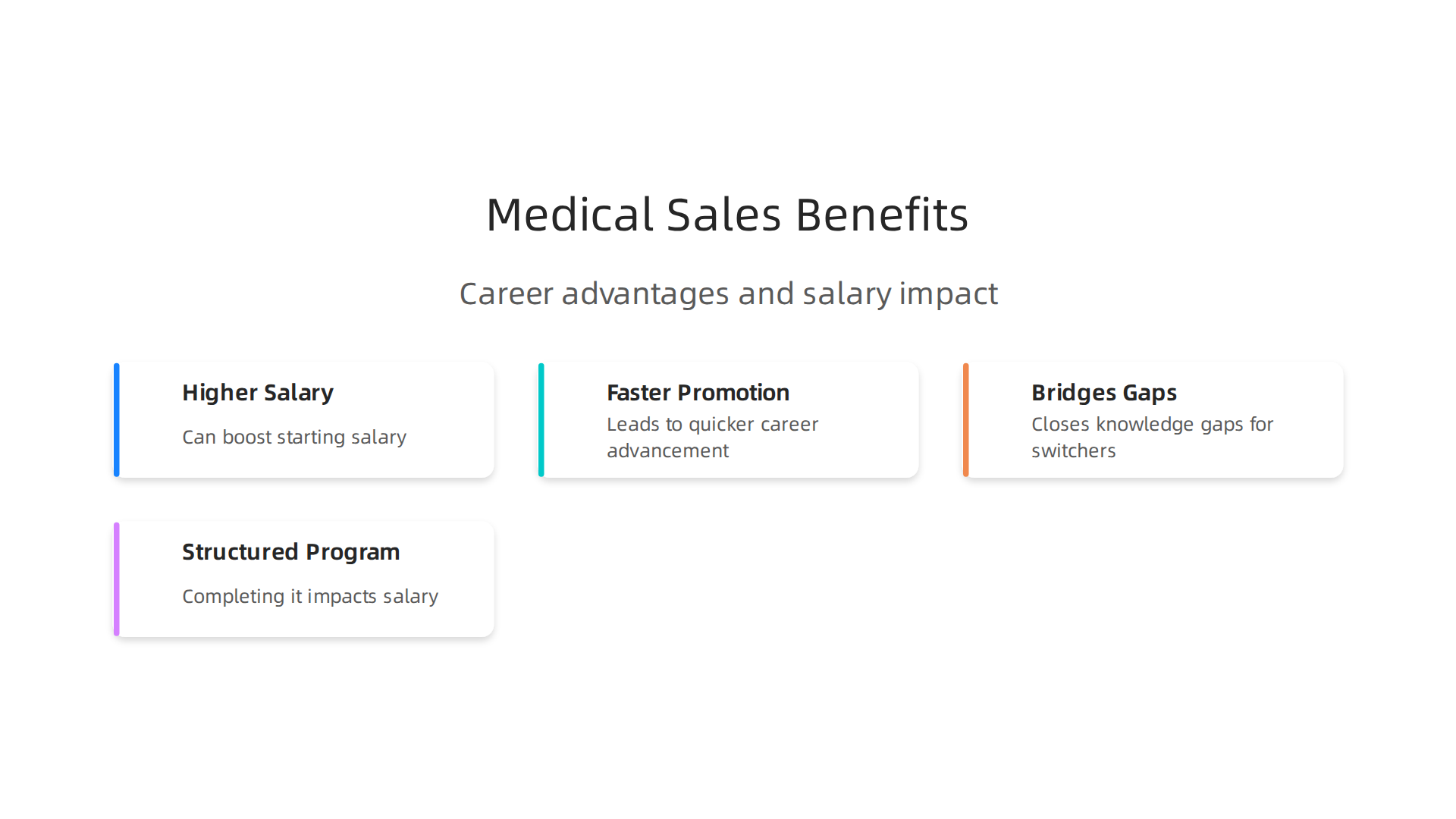
A well trained rep often commands a higher base pay and better commission structure right out of the gate. A 2026 guide to medical device sales careers notes that reps who invest in training typically see faster promotions and better territory assignments. That translates to thousands of extra dollars in your pocket over the first few years.
Think about it this way. Would you rather spend months cold-applying to jobs and hoping for a break, or walk into interviews with a certification that proves you know your stuff?

Employers notice the difference.
Training bridges the gap for career switchers
Maybe you do not come from a healthcare background. Maybe you worked in retail sales, real estate, or even a completely different industry. That is fine. Many successful medical device reps started somewhere else. The catch is that you need to learn the language of healthcare, the sales training techniques specific to medical environments, and how to speak with doctors and nurses.
That is exactly what quality sales training programs are designed to do. They fill in the knowledge gaps so you can transition smoothly into a medical sales role. Without that bridge, you will struggle to get past the first interview.
The medical sales challenges in 2026 are real. As one industry expert points out, success now requires a combination of clinical understanding, business acumen, and strong relationship skills. Training programs that cover all three give you a massive head start.
What this means for you
If you are serious about breaking into medical device sales, do not skip the training step. It is the difference between spinning your wheels and launching a real career. And once you land that first role, the growth does not stop. Many reps move into senior positions within a few years. If that sounds like the path you want, our guide on becoming a sales director can help you map out the next steps after you get started.
The bottom line is simple. Medical sales training programs are not just a nice to have in 2026. They are becoming a must have for anyone who wants to compete, earn well, and build a lasting career.
Key Skills Taught in Top Medical Sales Programs
So what exactly do you learn in a good medical sales training program? It is not just about memorizing product specs. The best programs teach a mix of clinical knowledge, modern sales tools, and people skills that hiring managers look for.
Here is a breakdown of the core skills you can expect to build.
Clinical knowledge and regulatory understanding
First, you need to understand the products you will sell. That means learning about medical devices, how they work in the body, and the regulations that govern them. Top training programs dig into topics like FDA requirements, HIPAA compliance, and patient safety protocols. For example, the HIDA Accredited in Medical Sales (AMS) program is designed to cover these areas for both new and experienced reps, as noted on their site.
Programs like the Healthcare Rep Academy’s MRC certification also focus heavily on clinical competence. They want you to walk into a hospital and speak the same language as a surgeon or a procurement manager. Without that foundation, you will struggle to earn trust.
Modern online sales skills
Here is where training has changed the most. In 2026, many medical sales interactions happen virtually. You need to be comfortable with CRM software, virtual cold calling, and digital presentation tools.
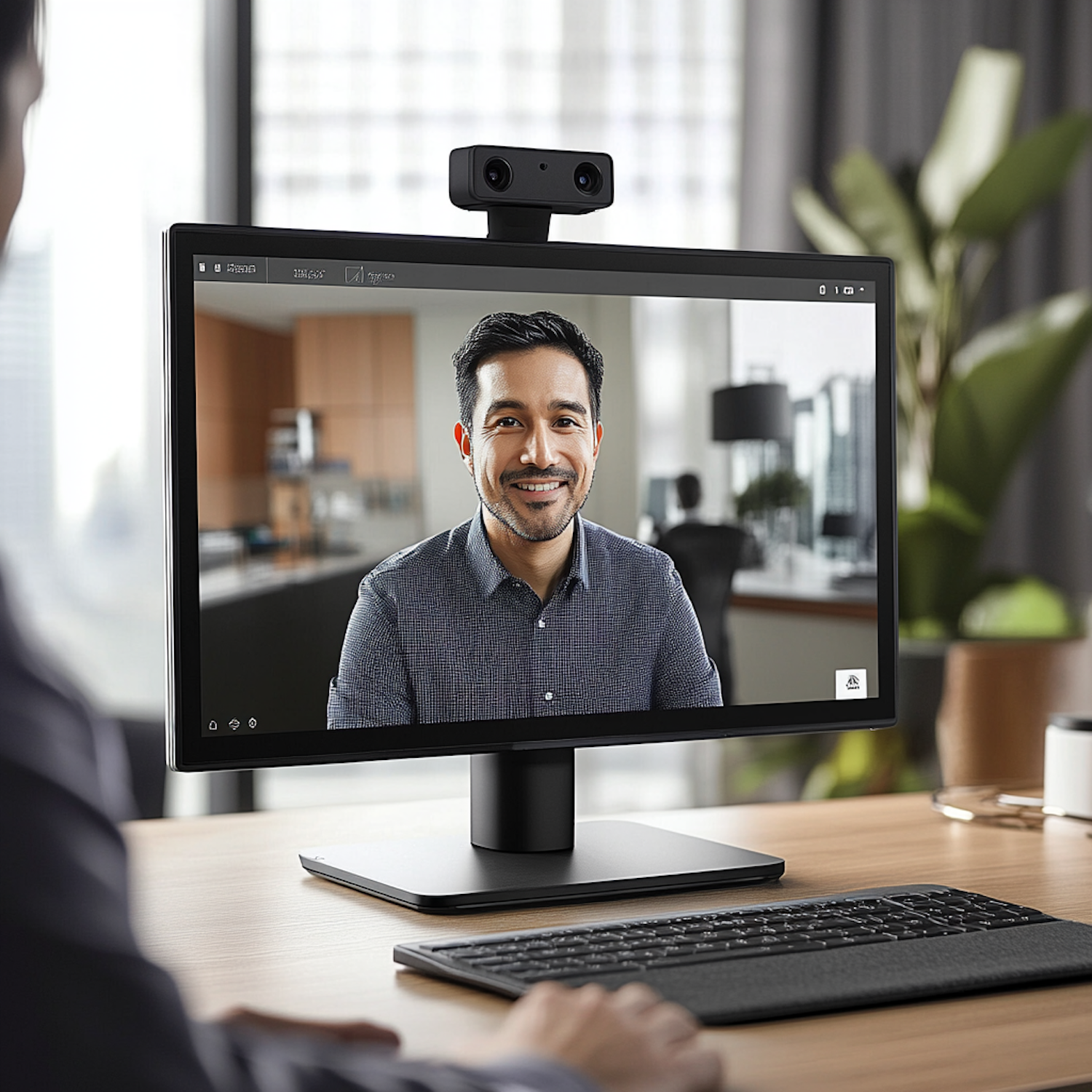
A good training program teaches you how to run a remote product demo, track your leads in Salesforce or HubSpot, and follow up with prospects through email and video.
This shift is real. According to Robert Half’s remote work statistics for 2026, 38% of professionals are already looking for a new role, and many prefer flexible or remote arrangements. Medical device companies are adapting by hiring reps who can sell both in person and online. If your training program does not cover digital sales techniques, you are missing a big piece of the puzzle.
Soft skills that close deals
You can know every clinical detail and still fail if you cannot connect with people. That is why top sales training programs also focus on soft skills like resilience, relationship-building, and consultative selling. These skills matter even more in remote environments where you cannot rely on a firm handshake.
The Promoveo Health blog on skills-based hiring highlights that in 2026, companies are looking for reps who can adapt quickly, handle rejection, and build long-term relationships with clinicians. Training programs often include role-playing exercises, mock sales calls, and feedback sessions to sharpen these abilities. The NAMDR course with the Connecticut School of Medical Sales even offers continuing education credits, showing that soft skills are taken seriously at the professional level.
Putting it all together
A solid medical sales training program combines all three areas: clinical know-how, digital sales tools, and interpersonal skills. When you master these, you become the candidate employers want to hire. And if you are aiming for a remote or hybrid role, these skills are even more critical.
Want to see how these skills translate into a real career path? Our guide on building a remote sales career walks you through the next steps after training.
Comprehensive Review of Leading Medical Sales Training Programs
You now know what skills you need. But where do you actually learn them? That is the big question. In 2026, there are many medical sales training programs to choose from. Some are fully online. Others mix live classes with hands-on practice. A few even let you work on real cadavers. Each program has its own cost, length, and focus. And the best ones go beyond the basics. They offer job placement help, mentorship, and strong alumni networks that can open doors for you.
Let us look at some of the top programs side by side. This will help you pick the one that fits your goals and budget.
HIDA Accredited in Medical Sales (AMS)
The HIDA AMS program is a well-known online certification. It works for both new and experienced reps. The course covers clinical knowledge, regulations, and sales skills. It is self-paced, so you can study while you keep your current job. Many companies use it as their official training. You can learn more on the HIDA AMS Training page.
Format: Online, self-paced
Key perk: Recognized by many employers in medical device sales
Healthcare Rep Academy MRC and PSC Certification
The Healthcare Rep Academy offers the MRC (Medical Sales Representative Certification) and the PSC (Pharmaceutical Sales Certification). These are designed to give you a solid path into the industry. According to their site, all trainees get a globally recognized certification upon completion. The program focuses on clinical knowledge, online selling, and the soft skills you need to stand out. Check out their certification page for details.
Format: Online, structured curriculum
Key perk: Globally recognized certification with strong job placement focus
Medical Sales College
This is one of the older and more respected names in the field. Medical Sales College offers four different programs. They have a high job placement rate for graduates. The training includes role-playing and real-world scenarios. It is often listed among the top options for beginners. A review on MedReps highlights that it is a great place to start if you want to break into medical device sales.
Format: Online with in-person components available
Key perk: High placement rate and multiple program tracks
NAMDR Course with Connecticut School of Medical Sales
The National Association of Medical Device Representatives partners with the Connecticut School of Medical Sales to offer a specialized course. This program provides education and even CME credits. It is designed for reps who want to go deeper into the medical device side of the business. You can see the details on the NAMDR education page.
Format: Online and instructor-led
Key perk: Continuing education credits and industry association backing
ACMA’s Pharmaceutical Representative Certification (PRC)
If you are leaning toward pharmaceutical sales, the ACMA’s PRC program is a solid choice. It is a 15-module self-paced online course that establishes core competencies for success. The program covers everything from regulatory rules to effective sales calls. Visit the ACMA PRC about page to learn more.
Format: Online, self-paced
Key perk: Focused on pharmaceutical sales with a reputation in the industry
Online vs. Hybrid vs. In-Person: Which Is Best?
Here is the thing. The format matters a lot. Online programs are flexible. You can learn at your own pace. Hybrid programs give you the best of both worlds: online lessons plus live workshops or hands-on labs. In-person programs are rare but intense. They often include cadaver labs and in-person networking. For most people starting out in 2026, an online or hybrid program is the smart choice. It saves time and money while still building the skills you need.
What Sets the Best Programs Apart?
Not all programs are created equal. The top ones share a few key features:
- Job placement assistance: They help you find your first role in medical sales.
- Mentorship: You get guidance from experienced reps who have been in the field.
- Alumni network: A strong network can lead to referrals and inside connections.
Programs like Healthcare Rep Academy and Medical Sales College are known for their placement rates. Others, like the NAMDR course, offer industry recognition that looks great on a resume.
Your Next Step
Choosing the right medical sales training program is a big decision. Look at the cost, the format, and the support you will get. A program that offers job placement and mentorship is worth its weight in gold. Once you finish training, the real work begins. You need to keep building your career. For a longer view of where you can go, check out our guide on the definitive roadmap to becoming a sales director in 2026. It shows you how to climb the ladder after you land your first rep job.
How to Choose the Right Program for Your Career Stage
You have seen the top medical sales training programs. Now the real question is: which one is right for you? The answer depends on where you are in your career. A beginner needs something different from a seasoned pro. And a career switcher has unique needs too. Let us break it down by stage so you can pick the program that fits.
For Beginners: Focus on Foundation and Mentorship
If you are new to medical sales, you need a program that builds your base. Look for training that covers basic selling techniques, clinical knowledge, and soft skills. Mentorship is also key. You want guidance from people who have been in the field. Programs like the Healthcare Rep Academy’s MRC and PSC certification are designed to put you on the best path to enter the industry, according to their certification page. Medical Sales College also offers entry-level training with a high placement rate. And the HIDA AMS program works well for novices too, as it “helps both novice and experienced reps.” If you need to build your overall sales skills first, consider starting with resources that teach you how to build a remote sales career before diving into medical-specific training.
For Experienced Sales Professionals: Level Up with Advanced Skills
If you already have sales experience, you do not need to start from scratch. You need advanced negotiation, strategic account management, and territory planning. Look for programs that focus on these higher-level skills. The NAMDR course with Connecticut School of Medical Sales is a good option because it provides education and even CME credits for reps who want to go deeper, as noted on the NAMDR education page. The ACMA’s Pharmaceutical Representative Certification (PRC) is another choice for those moving into pharma, with a 15-module self-paced program that establishes core competencies. These programs help you move from a good rep to a great one.
For Career Switchers: Validate Your Transferable Skills
Are you coming from a different industry? Maybe you were a nurse, or a teacher, or worked in customer service. You already have valuable skills like communication, resilience, and problem solving. The trick is to find a medical sales training program that validates those transferable skills and helps you network. Look for programs with strong alumni networks and job placement assistance. Healthcare Rep Academy is known for its job placement focus, and Medical Sales College also emphasizes networking opportunities. According to a step-by-step roadmap, structured training can help you break into medical device sales without direct experience. The key is to pick a program that not only teaches you the industry but also opens doors through connections.
One Final Tip
No matter your stage, always check for job placement support and mentorship. These features make a huge difference. If you are still unsure, start with a self-paced program like HIDA AMS or ACMA’s PRC. You can always add more advanced training later. The right program will set you up for success and help you move forward in your career.
Cost, Duration, and ROI of Medical Sales Training
You have a good sense of which program fits your career stage. But now comes the practical part. How much will it cost? How long will it take? And most importantly, what kind of return can you expect on your investment?
Medical sales training programs vary quite a bit in price and length. On the low end, self-paced online courses cost around $500. These are often basic certifications that cover industry terminology and sales ethics. On the high end, you will find comprehensive bootcamps that run $8,000 to $10,000. Those include live instruction, mock sales calls, and sometimes even job placement support.
Duration follows a similar pattern. Shorter programs can be finished in 4 to 6 weeks if you go full time. Longer part-time programs spread learning over 6 months. A comparison by Med RETI notes that the best programs balance intensity with depth, giving you enough time to practice sales skills without dragging on for months.
So what does that investment actually get you? Here is where ROI matters most. According to Med RETI, the average medical sales rep earns over $150,000 per year. That includes base salary and commission. Even entry level representatives can expect strong earnings. A CareerCourses article from 2026 says training programs focused on job outcomes can help you land a role that pays $80,000 to $120,000 in your first year.
Let us do simple math. If a program costs $5,000 and your new job pays $90,000, you recoup that cost in less than a month. Over a five year career, that same training could lead to hundreds of thousands in additional earnings. Specialized medical sales training programs and certifications significantly improve job prospects and preparedness, as explained by Medical Sales College.
But ROI is not just money. It is also time saved. A good program shortens your job search and reduces trial and error. You get direct coaching and a network of hiring managers. That alone can be worth more than the tuition.
If you are still weighing your options, think about the bigger picture. Training that costs a few thousand dollars may feel like a risk. But compared to the earnings potential, it is one of the smartest career expenses you can make. And if you want to learn more about building a long term sales career, check out this guide on becoming a sales director for a look at the next level after training.
In short, pick a program that fits your budget and timeline. But do not let a higher price scare you off. The best investment is the one that actually gets you hired.
Steps to Take After Completing Medical Sales Training
You finished your program. You earned that certificate. Now the real work starts. Getting hired in medical device sales takes more than just having a credential on your resume. You need a clear plan for the weeks after graduation.
Here are the three most important steps to turn your training into a real job offer.
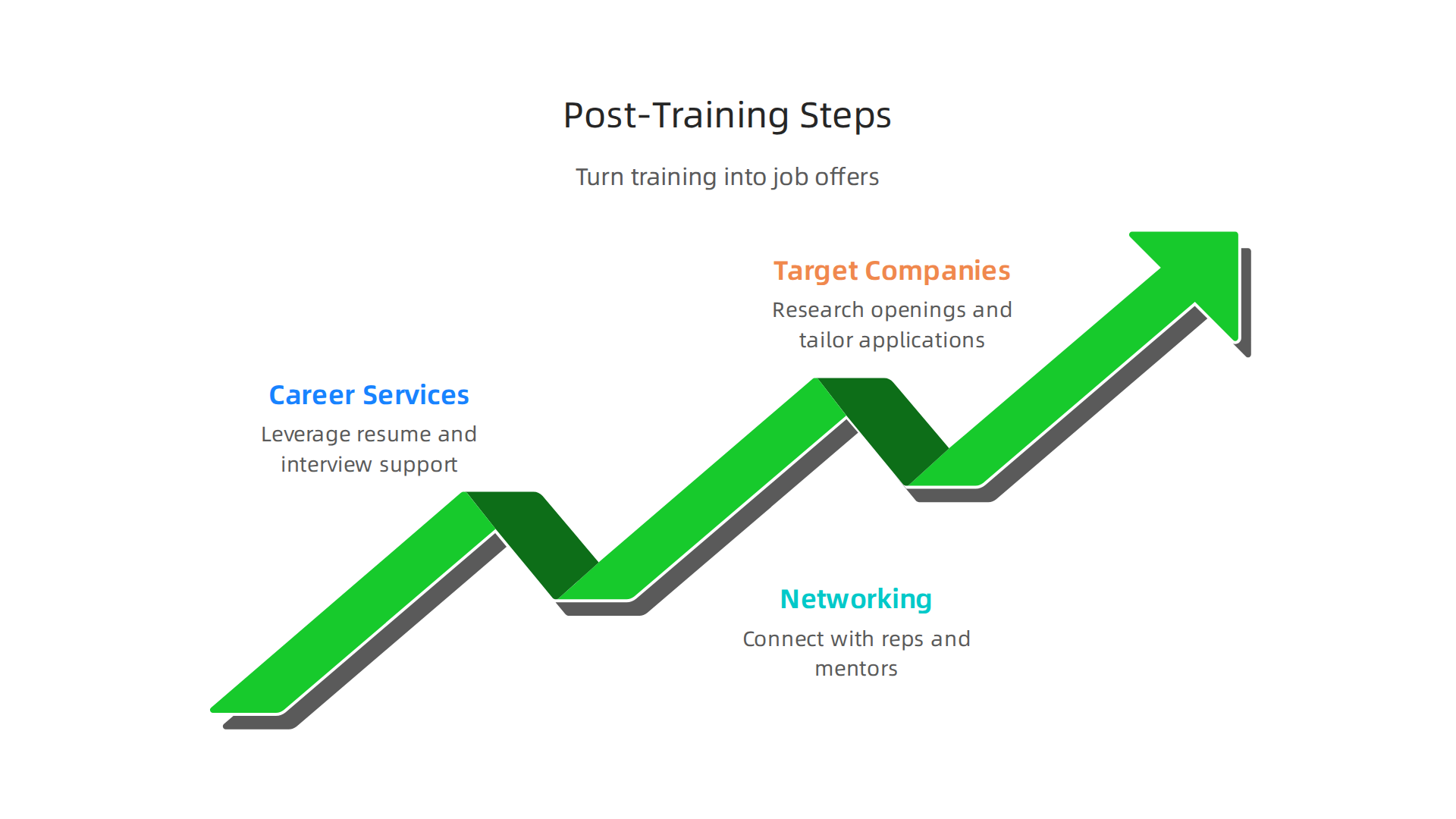
1. Lean on the Program’s Career Services
Most good medical sales training programs include career support. Do not let it go to waste. Use the resume review service to make sure your new certification stands out. Schedule a mock interview so you can practice answering tough sales questions. Many programs also have private job boards where employers post roles specifically for graduates. According to a step-by-step roadmap to land a medical device sales job, structured training combined with active job search support is what gets beginners hired fast.
If your program offers coaching on sales techniques or how to handle objections, book those sessions now. Every practice call builds your confidence.
2. Activate Your Alumni Network and Attend Events
Your fellow graduates are one of your best assets. They know the same sales training techniques you do, and they are entering the same market. Connect with them on LinkedIn. Share job leads. Ask how their interviews went.
Also, get out there in person or virtually. Attend industry conferences, local sales meetups, and webinars. The more people you meet, the more doors open.

A guide on entry-level medical sales jobs from 2026 stresses that networking strategically is a key step to getting hired. Do not wait for job postings. Find the people who can introduce you to hiring managers.
3. Target the Right Companies
Not every employer values a certification the same way. Do your research. Look for companies that specifically mention training programs in their job descriptions. They want reps who already know the basics. You save them time, and they pay you for it.
Focus on firms with a clear sales career path. You want a place where a first year rep can move into a senior territory role or even management. This keeps you motivated and growing.
If you are unsure where to start, check out this guide on uncovering legitimate remote sales jobs to find reputable companies that hire trained sales professionals.
Your training was the foundation. Now take these steps, and you will be one step closer to that six figure career. Just keep moving forward.
Summary
This guide helps you evaluate and choose the best medical sales training programs for 2026 by explaining why formal training is now essential, what top programs teach, and how employers view certified candidates. It reviews core skill areas — clinical knowledge, regulatory understanding, modern digital selling, and soft skills — and compares leading options like HIDA AMS, Healthcare Rep Academy, Medical Sales College, NAMDR, and ACMA’s PRC. The article breaks program types into online, hybrid, and in-person formats, explains cost and duration ranges, and shows how to estimate ROI based on likely starting salaries. You’ll also get practical advice for selecting a program by career stage (beginner, experienced, or career switcher) and a three-step action plan to turn certification into job offers using career services, alumni networks, and targeted company research. Overall, readers will finish able to compare programs, avoid common traps, pick the right format for their goals, and follow concrete next steps to launch a medical device sales career.